
CLASS 12 BIOLOGY · CHAPTER 7 · READ
Human Health and Diseaseमानव स्वास्थ्य तथा रोगHuman Health and Disease
What health is → common diseases and their pathogens (typhoid, pneumonia, common cold, malaria, amoebiasis, ascariasis, filariasis, ringworm) → immunity (innate, acquired, vaccines, allergy, autoimmunity, lymphoid organs) → AIDS → cancer → drugs and alcohol abuse. NCERT order, simple words.स्वास्थ्य क्या है → सामान्य रोग और उनके रोगजनक (टाइफ़ॉइड, न्यूमोनिया, सामान्य जुकाम, मलेरिया, अमीबता, ऐस्कैरिसता, फ़ाइलेरियता, दाद) → प्रतिरक्षा (सहज, उपार्जित, टीके, प्रत्यूर्जता, स्व-प्रतिरक्षा, लसीकाभ अंग) → एड्स → कैंसर → ड्रग्स और ऐल्कोहॉल का कुप्रयोग। NCERT क्रम, आसान भाषा।Health kya hai → common diseases aur unke pathogens (typhoid, pneumonia, common cold, malaria, amoebiasis, ascariasis, filariasis, ringworm) → immunity (innate, acquired, vaccines, allergy, autoimmunity, lymphoid organs) → AIDS → cancer → drugs aur alcohol abuse. NCERT order, simple words.
Didn’t understand a paragraph? Tap it (or its अ button) → हिंदी / Hinglish / Simple English.कोई पैराग्राफ़ समझ नहीं आया? उस पर (या अ बटन पर) टैप करें → English / Hinglish / Simple English।Koi paragraph samajh nahi aaya? Us par (ya अ button par) tap karo → हिंदी / English / Simple English.
Diagrams in this chapterइस अध्याय के डायग्राम
 Life cycle of Plasmodium (malaria)प्लाज़्मोडियम का जीवन-चक्र (मलेरिया)Fig 7.1
 Structure of an antibody moleculeप्रतिरक्षी (एंटीबॉडी) अणु की संरचनाFig 7.4
 Lymphoid organs in the human bodyमानव शरीर के लसीकाभ अंगFig 7.5
 Replication of a retrovirus (HIV)पश्च विषाणु (रेट्रोवायरस, HIV) का प्रतिकृतियनFig 7.6
 Commonly abused drugs and their sourcesआमतौर पर दुरुपयोग होने वाली ड्रग्स और उनके स्रोतFigs 7.7–7.11
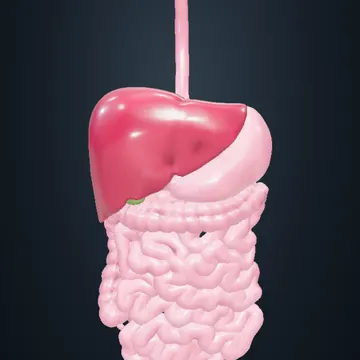 Human digestive system3D model ↗
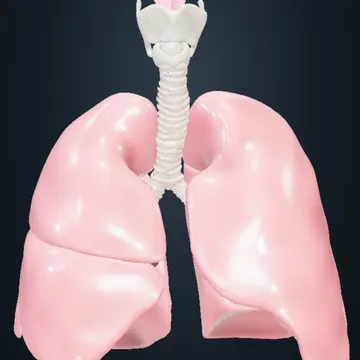 Human respiratory system3D model ↗
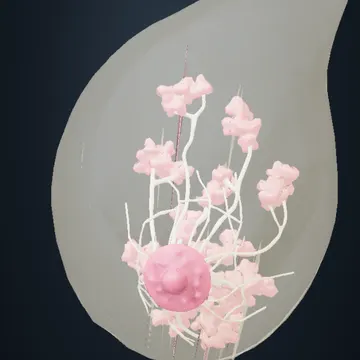 Human mammary gland3D model ↗
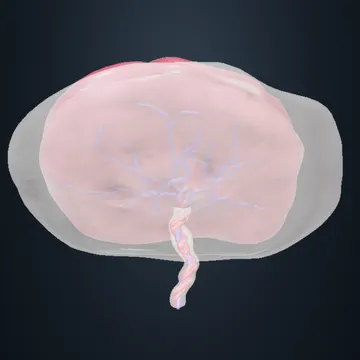 Human placenta and umbilical cord (full term)3D model ↗
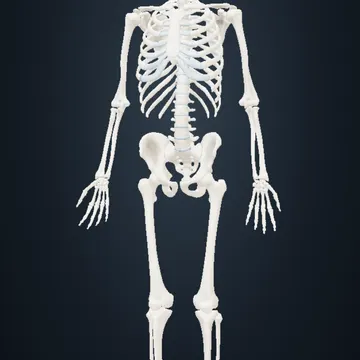 Human skeleton3D model ↗
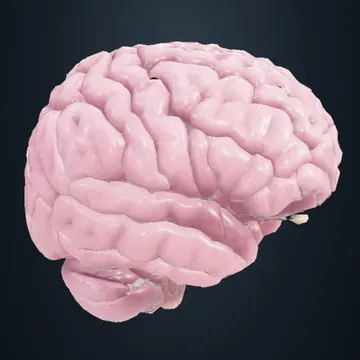 Human brain3D model ↗
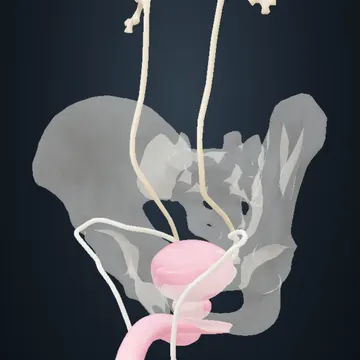
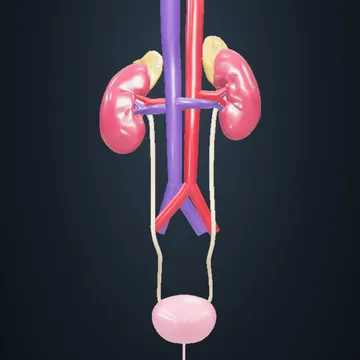 Human excretory (urinary) system3D model ↗
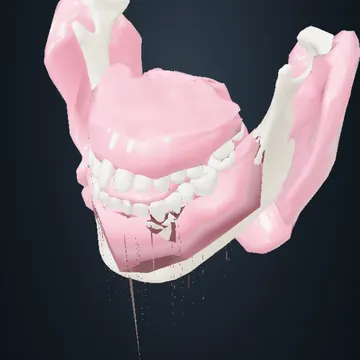 Human mouth3D model ↗
 Human male reproductive system3D model ↗
In this chapter (NCERT sections)इस अध्याय में (NCERT खंड)
- 7.1Common Diseases in Humansमनुष्यों में सामान्य रोगInsaano mein Common Diseases
- 7.2Immunityप्रतिरक्षाImmunity
- 7.2.1Innate Immunityसहज प्रतिरक्षाInnate Immunity
- 7.2.2Acquired Immunityउपार्जित प्रतिरक्षाAcquired Immunity
- 7.2.3Active and Passive Immunityसक्रिय एवं निष्क्रिय प्रतिरक्षाActive aur Passive Immunity
- 7.2.4Vaccination and Immunisationटीकाकरण और प्रतिरक्षीकरणVaccination aur Immunisation
- 7.2.5Allergiesएलर्जी (प्रत्यूर्जता)Allergies
- 7.2.6Auto Immunityस्व-प्रतिरक्षाAuto Immunity
- 7.2.7Immune System in the Bodyशरीर में प्रतिरक्षा तंत्रBody mein Immune System
- 7.3AIDSएड्सAIDS
- 7.4CancerकैंसरCancer
- 7.5Drugs and Alcohol Abuseड्रग्स और ऐल्कोहॉल का कुप्रयोगDrugs aur Alcohol Abuse
- 7.5.1Adolescence and Drug/Alcohol Abuseकिशोरावस्था और ड्रग्स/ऐल्कोहॉल का कुप्रयोगAdolescence aur Drug/Alcohol Abuse
- 7.5.2Addiction and Dependenceव्यसन और निर्भरताAddiction aur Dependence
- 7.5.3Effects of Drug/Alcohol Abuseड्रग्स/ऐल्कोहॉल के कुप्रयोग के प्रभावDrug/Alcohol Abuse ke Effects
- 7.5.4Prevention and Controlरोकथाम और नियंत्रणPrevention aur Control
For a long time, people believed health was a balance of body "humors". Early Greeks like Hippocrates and the Indian Ayurveda system said so — for example, that people with "blackbile" were hot-tempered and got fevers. This came from pure thinking, not experiments. Later, William Harvey discovered blood circulation by the experimental method, and the thermometer showed that "blackbile" people had normal body temperature — this disproved the "good humor" idea. Biology now says that the mind affects our immune system through the neural and endocrine systems, and the immune system keeps us healthy. So our mind and mental state can affect our health.बहुत समय तक लोग मानते थे कि स्वास्थ्य शरीर के कुछ "ह्यूमर (द्रवों)" का संतुलन है। प्राचीन यूनानी हिप्पोक्रेटीज़ और भारतीय आयुर्वेद पद्धति यही कहती थी — जैसे "काले पित्त (ब्लैकबाइल)" वाले लोग गर्म स्वभाव के होते हैं और उन्हें बुखार होता है। यह विचार केवल सोच से बना था, प्रयोग से नहीं। बाद में विलियम हार्वे ने प्रयोग द्वारा रक्त परिसंचरण खोजा, और थर्मामीटर से पता चला कि "काले पित्त" वालों का शरीर-ताप सामान्य होता है — इससे "अच्छे ह्यूमर" की परिकल्पना ग़लत सिद्ध हुई। आज जीव विज्ञान बताता है कि मन तंत्रिका तंत्र और अंतःस्रावी तंत्र के ज़रिए हमारे प्रतिरक्षा तंत्र को प्रभावित करता है, और प्रतिरक्षा तंत्र हमें स्वस्थ रखता है। इसलिए मन और मानसिक अवस्था हमारे स्वास्थ्य पर असर डालते हैं।Bahut time tak log maante the ki health body ke kuch "humors" ka balance hai. Greek Hippocrates aur Indian Ayurveda yahi kehte the — jaise "blackbile" wale log garam mizaaj ke hote hain aur unhe bukhaar aata hai. Ye sirf soch se aaya tha, experiment se nahi. Phir William Harvey ne experimental method se blood circulation discover kiya, aur thermometer ne dikhaya ki "blackbile" walon ka temperature normal hota hai — "good humor" wala idea galat sabit hua. Ab biology kehti hai ki mind, neural aur endocrine system ke through immune system ko affect karta hai, aur immune system humein healthy rakhta hai. Matlab mind aur mental state health par asar daalte hain.Old idea: health = balance of body "humors". William Harvey (blood circulation) and the thermometer proved this wrong. Today we know the mind affects the immune system (through nerves and hormones), and the immune system keeps us healthy.
Health is affected by three things:स्वास्थ्य पर तीन चीज़ें असर डालती हैं:Health par teen cheezein asar daalti hain:Three things affect health:
- Genetic disorders — defects a child is born with, or inherits from the parents.आनुवंशिक विकार — वे कमियाँ जिनके साथ बच्चा पैदा होता है या जो उसे माता-पिता से मिलती हैं।Genetic disorders — wo defects jinke saath baccha paida hota hai ya jo parents se milte hain.Genetic disorders: defects from birth or from parents.
- Infections.संक्रमण।Infections.Infections (germs).
- Life style — the food and water we take, rest and exercise, and the habits we have or lack.जीवन शैली — हमारा भोजन और पानी, आराम और व्यायाम, और हमारी अच्छी-बुरी आदतें।Life style — hum kya khaate-peete hain, rest aur exercise, aur hamari aadatein.Life style: food, water, rest, exercise and habits.
So what is health? It is not just "no disease" or "physical fitness". Health is a state of complete physical, mental and social well-being. Healthy people work better, which raises productivity and brings economic prosperity. Health also increases longevity (life span) and reduces infant and maternal mortality.तो स्वास्थ्य क्या है? यह केवल "रोग न होना" या "शारीरिक रूप से फ़िट होना" नहीं है। स्वास्थ्य पूर्ण शारीरिक, मानसिक और सामाजिक कुशलता की अवस्था है। स्वस्थ लोग बेहतर काम करते हैं, जिससे उत्पादकता बढ़ती है और आर्थिक समृद्धि आती है। स्वास्थ्य से दीर्घायु बढ़ती है और शिशु तथा मातृ मृत्यु दर घटती है।Toh health kya hai? Sirf "bimari na hona" ya "physical fitness" nahi. Health matlab complete physical, mental aur social well-being. Healthy log zyada efficiently kaam karte hain — productivity badhti hai, economic prosperity aati hai. Health se longevity (umar) badhti hai aur infant aur maternal mortality kam hoti hai.Health = complete physical, mental and social well-being. Healthy people work better, live longer, and fewer babies and mothers die.
To stay healthy we need a balanced diet, personal hygiene and regular exercise; yoga has been practised since ancient times for physical and mental health. We also need awareness about diseases, vaccination (immunisation) against infectious diseases, proper disposal of wastes, control of vectors, and clean food and water.स्वस्थ रहने के लिए संतुलित आहार, व्यक्तिगत स्वच्छता और नियमित व्यायाम ज़रूरी हैं; शारीरिक और मानसिक स्वास्थ्य के लिए योग प्राचीन काल से किया जाता है। साथ ही रोगों के बारे में जागरूकता, संक्रामक रोगों के विरुद्ध टीकाकरण (प्रतिरक्षीकरण), अपशिष्ट का सही निपटान, रोगवाहकों का नियंत्रण और साफ़ भोजन-पानी भी ज़रूरी हैं।Healthy rehne ke liye balanced diet, personal hygiene aur regular exercise chahiye; yoga purane time se physical aur mental health ke liye hota aaya hai. Saath mein diseases ki awareness, infectious diseases ke against vaccination (immunisation), waste ka sahi disposal, vectors ka control aur saaf khana-paani bhi zaroori hai.Stay healthy: balanced diet, cleanliness, exercise, yoga, vaccines, proper waste disposal, control of mosquitoes and other vectors, clean food and water.
When one or more organs or systems of the body stop working properly, with signs and symptoms, we have a disease. Diseases are infectious (easily passed from one person to another — very common; some, like AIDS, are fatal) or non-infectious (among these, cancer is the major cause of death). Drug and alcohol abuse also harm health.जब शरीर के एक या अधिक अंग या तंत्र ठीक से काम नहीं करते और कुछ चिह्न व लक्षण दिखते हैं, तो हम कहते हैं कि रोग है। रोग संक्रामक (जो एक व्यक्ति से दूसरे में आसानी से फैलें — ये बहुत आम हैं; कुछ, जैसे एड्स, घातक हैं) या असंक्रामक होते हैं (इनमें कैंसर मृत्यु का प्रमुख कारण है)। ड्रग्स और ऐल्कोहॉल का कुप्रयोग भी स्वास्थ्य बिगाड़ता है।Jab body ke ek ya zyada organs/systems theek se kaam nahi karte aur signs aur symptoms dikhte hain, toh woh disease hai. Diseases infectious hoti hain (ek insaan se doosre mein aasani se failti hain — bahut common; kuch jaise AIDS fatal hain) ya non-infectious (inme cancer maut ka sabse bada kaaran hai). Drug aur alcohol abuse bhi health kharab karta hai.Disease = organs not working properly, with symptoms. Infectious diseases spread from person to person (AIDS can kill). Non-infectious ones don't spread (cancer is the biggest killer). Drugs and alcohol also harm health.
7.1Common Diseases in Humansमनुष्यों में सामान्य रोगInsaano mein Common Diseases
Many organisms — bacteria, viruses, fungi, protozoans, helminths (worms) and others — can cause disease in humans. Such disease-causing organisms are called pathogens. Most parasites are pathogens, because they harm the host they live in or on. Pathogens enter the body, multiply and disturb normal life activities, damaging its structure and function. They must also adapt to life inside the host — for example, a pathogen entering the gut must survive the low pH of the stomach3D and resist the digestive enzymes.कई जीव — जीवाणु, विषाणु, कवक, प्रोटोज़ोआ, कृमि (हेल्मिंथ) आदि — मनुष्य में रोग पैदा कर सकते हैं। रोग पैदा करने वाले ऐसे जीवों को रोगजनक (Pathogen) कहते हैं। अधिकतर परजीवी रोगजनक होते हैं, क्योंकि वे जिस पोषक के अंदर या ऊपर रहते हैं उसे हानि पहुँचाते हैं। रोगजनक शरीर में घुसकर संख्या बढ़ाते हैं और सामान्य जैविक क्रियाओं में बाधा डालते हैं, जिससे शरीर की रचना और कार्य को नुक़सान होता है। उन्हें पोषक के अंदर के वातावरण के अनुसार ढलना भी पड़ता है — जैसे आहार नाल में घुसने वाले रोगजनक को आमाशय3D के कम pH में जीवित रहना और पाचक एंज़ाइमों से बचना होता है।Bahut saare organisms — bacteria, viruses, fungi, protozoans, helminths (worms) wagairah — insaan mein disease kar sakte hain. Inhe pathogens kehte hain. Zyadatar parasites pathogens hote hain, kyunki jis host ke andar ya upar rehte hain usko nuksaan pahunchate hain. Pathogens body mein ghus kar multiply karte hain aur normal kaam bigaadte hain. Unhe host ke andar adjust bhi karna padta hai — jaise gut mein aane wale pathogen ko stomach3D ke low pH aur digestive enzymes se bachna padta hai.Pathogens are germs that cause disease: bacteria, viruses, fungi, protozoa and worms. They enter the body, multiply and damage it. Gut germs must survive stomach acid.
Typhoid — The bacterium Salmonella typhi causes typhoid fever. It usually enters the small intestine3D through contaminated food and water, and moves to other organs through the blood. Common symptoms: sustained high fever (39° to 40 °C), weakness, stomach pain, constipation, headache and loss of appetite. In severe cases the intestine may perforate and the patient may die. Typhoid is confirmed by the Widal test. A famous case: Mary Mallon ("Typhoid Mary"), a cook and a typhoid carrier, kept spreading typhoid for several years through the food she cooked.टाइफ़ॉइड (मियादी बुखार) — साल्मोनेला टाइफ़ी (Salmonella typhi) जीवाणु से टाइफ़ॉइड होता है। यह प्रायः दूषित भोजन और पानी से छोटी आंत3D में पहुँचता है और रक्त के ज़रिए दूसरे अंगों में जाता है। सामान्य लक्षण: लगातार तेज़ बुखार (39° से 40 °C), कमज़ोरी, पेट दर्द, कब्ज़, सिरदर्द और भूख न लगना। गंभीर स्थिति में आंत में छेद हो सकता है और मृत्यु भी हो सकती है। टाइफ़ॉइड की पुष्टि विडाल परीक्षण (Widal test) से होती है। प्रसिद्ध उदाहरण: मेरी मैलन ("टाइफ़ॉइड मेरी") — एक रसोइया जो टाइफ़ॉइड की वाहक थी और कई वर्षों तक अपने बनाए खाने से टाइफ़ॉइड फैलाती रही।Typhoid — Bacterium Salmonella typhi se typhoid hota hai. Ye zyadatar contaminated khane-paani se small intestine3D mein aata hai aur blood ke through doosre organs mein jaata hai. Symptoms: lagataar tez bukhaar (39° se 40 °C), kamzori, pet dard, constipation, sar dard, bhookh na lagna. Severe case mein intestine mein chhed (perforation) aur maut bhi ho sakti hai. Confirm karne ke liye Widal test. Famous case: Mary Mallon ("Typhoid Mary") — ek cook jo typhoid ki carrier thi aur kai saal tak apne khane se typhoid failati rahi.Typhoid: caused by the bacterium Salmonella typhi, through dirty food and water. High fever (39–40 °C) for many days. Test: Widal test. "Typhoid Mary" was a cook who spread it for years.
Pneumonia — Bacteria like Streptococcus pneumoniae and Haemophilus influenzae cause pneumonia. It infects the alveoli (air-filled sacs) of the lungs3D, which fill with fluid, so breathing becomes very difficult. Symptoms: fever, chills, cough and headache; in severe cases the lips and finger nails turn grey to bluish. A healthy person gets it by inhaling droplets/aerosols from an infected person, or even by sharing glasses and utensils. Dysentery, plague and diphtheria are some other bacterial diseases.न्यूमोनिया — स्ट्रेप्टोकोकस न्यूमोनी और हीमोफ़िलस इन्फ़्लुएंज़ी जैसे जीवाणु न्यूमोनिया करते हैं। यह फेफड़ों3D की कूपिकाओं (एल्विओलाई — हवा से भरी थैलियाँ) को संक्रमित करता है, जो तरल से भर जाती हैं, जिससे साँस लेने में बहुत कठिनाई होती है। लक्षण: बुखार, कँपकँपी (ठंड लगना), खाँसी और सिरदर्द; गंभीर स्थिति में होंठ और नाखून धूसर से नीले पड़ जाते हैं। स्वस्थ व्यक्ति संक्रमित व्यक्ति की छोटी बूँदों/एरोसॉल को साँस में लेने से, या उसके गिलास-बर्तन साझा करने से भी संक्रमित हो जाता है। पेचिश, प्लेग और डिफ़्थीरिया कुछ अन्य जीवाणु-जनित रोग हैं।Pneumonia — Streptococcus pneumoniae aur Haemophilus influenzae jaise bacteria se hota hai. Ye lungs3D ke alveoli (hawa wali thailiyon) ko infect karta hai — alveoli mein fluid bhar jaata hai aur saans lena mushkil ho jaata hai. Symptoms: bukhaar, thand lagna, khaansi, sar dard; severe case mein hoth aur nails grey se neele ho jaate hain. Infected insaan ke droplets/aerosols saans mein jaane se, ya uske glass-bartan share karne se bhi failta hai. Dysentery, plague, diphtheria bhi bacterial diseases hain.Pneumonia: bacteria (Streptococcus pneumoniae, Haemophilus influenzae) fill the lung air sacs (alveoli) with fluid. Breathing becomes hard; lips and nails may turn bluish. Spreads by droplets and shared cups.
Common cold — Many viruses cause disease too. Rhino viruses cause one of the most infectious human illnesses, the common cold. They infect the nose and respiratory passage, but not the lungs. Signs: blocked and running nose, sore throat, hoarseness, cough, headache and tiredness, usually lasting 3–7 days. Droplets from an infected person's cough or sneeze are inhaled directly, or picked up from contaminated objects like pens, books, cups, doorknobs, a computer keyboard or mouse.सामान्य जुकाम — कई विषाणु भी रोग करते हैं। राइनो विषाणु (Rhino viruses) मनुष्य के सबसे संक्रामक रोगों में से एक, सामान्य जुकाम, पैदा करते हैं। ये नाक और श्वसन मार्ग को संक्रमित करते हैं, फेफड़ों को नहीं। लक्षण: नाक बंद होना और बहना, गले में ख़राश, आवाज़ बैठना, खाँसी, सिरदर्द और थकान — प्रायः 3–7 दिन तक। संक्रमित व्यक्ति के खाँसने-छींकने की बूँदें सीधे साँस से, या दूषित वस्तुओं (पेन, किताब, कप, दरवाज़े का हैंडल, कंप्यूटर का कीबोर्ड या माउस) से स्वस्थ व्यक्ति तक पहुँचती हैं।Common cold — Viruses bhi disease karte hain. Rhino viruses sabse infectious bimariyon mein se ek, common cold, karte hain. Ye naak aur respiratory passage ko infect karte hain, lungs ko nahi. Symptoms: naak band/behna, gala kharab, awaaz baithna, khaansi, sar dard, thakaan — zyadatar 3–7 din. Infected insaan ki khaansi/chheenk ke droplets seedhe saans se, ya pen, kitaab, cup, doorknob, keyboard, mouse jaisi cheezon se failte hain.Common cold: caused by rhino viruses. Affects nose and throat, not the lungs. Lasts 3–7 days. Spreads by sneeze droplets and touched objects.
Malaria — Some diseases are caused by protozoans. Malaria is caused by a tiny protozoan, Plasmodium. Different species — P. vivax, P. malaria and P. falciparum — cause different types of malaria. Malignant malaria, caused by P. falciparum, is the most serious and can even be fatal. Its life cycle is shown in NCERT Fig 7.1 — tap the life cycle to go through it step by step.मलेरिया — कुछ रोग प्रोटोज़ोआ से भी होते हैं। मलेरिया एक सूक्ष्म प्रोटोज़ोआ प्लाज़्मोडियम (Plasmodium) से होता है। इसकी अलग-अलग जातियाँ — P. vivax, P. malaria और P. falciparum — अलग प्रकार का मलेरिया करती हैं। P. falciparum से होने वाला दुर्दम मलेरिया (Malignant malaria) सबसे गंभीर है और जानलेवा भी हो सकता है। इसका जीवन-चक्र NCERT Fig 7.1 में है — जीवन-चक्र को चरण-दर-चरण देखें।Malaria — Kuch diseases protozoans se bhi hoti hain. Malaria ek chhote protozoan Plasmodium se hota hai. Alag species — P. vivax, P. malaria aur P. falciparum — alag type ka malaria karti hain. P. falciparum wala malignant malaria sabse serious hai, jaan bhi le sakta hai. Life cycle NCERT Fig 7.1 mein hai — life cycle step-by-step dekho.Malaria: caused by the protozoan Plasmodium (P. vivax, P. malaria, P. falciparum). P. falciparum causes the most dangerous type (malignant malaria).
Life cycle of Plasmodium (malaria)प्लाज़्मोडियम का जीवन-चक्र (मलेरिया)Life cycle of Plasmodium (malaria)NCERT Fig 7.1 · 9 tappable parts · 7 stepsOpenPlasmodium enters the human body as sporozoites (the infectious form) through the bite of an infected female Anopheles mosquito. The parasites first multiply inside the liver3D cells, then attack the red blood cells (RBCs) and burst them. When RBCs rupture, a toxic substance, haemozoin, is released — it causes the chill and high fever that recur every three to four days. When a female Anopheles bites an infected person, the parasites (gametocytes) enter the mosquito and develop further. They multiply to form sporozoites, which are stored in the mosquito's salivary glands; its next bite puts them into a new human. So the malaria parasite needs two hosts — human and mosquito — to complete its life cycle, and the female Anopheles is also the vector (transmitting agent).प्लाज़्मोडियम संक्रमित मादा एनाफ़िलीज़ मच्छर के काटने से स्पोरोज़ोआइट (बीजाणुज) के रूप में (यही संक्रामक रूप है) मनुष्य के शरीर में आता है। परजीवी पहले यकृत3D की कोशिकाओं में संख्या बढ़ाते हैं, फिर लाल रुधिर कणिकाओं (RBC) पर हमला करके उन्हें फोड़ देते हैं। RBC फटने पर एक विषैला पदार्थ हीमोज़ोइन निकलता है — इसी से हर तीन-चार दिन पर ठंड लगकर तेज़ बुखार आता है। जब मादा एनाफ़िलीज़ किसी संक्रमित व्यक्ति को काटती है, तो परजीवी (युग्मकजनक) मच्छर के शरीर में पहुँचकर आगे विकसित होते हैं। वहाँ वे बढ़कर स्पोरोज़ोआइट बनाते हैं, जो मच्छर की लार ग्रंथियों में जमा रहते हैं; अगली बार काटने पर ये नए मनुष्य में पहुँच जाते हैं। यानी मलेरिया परजीवी को जीवन-चक्र पूरा करने के लिए दो पोषक — मनुष्य और मच्छर — चाहिए, और मादा एनाफ़िलीज़ इसका वाहक (Vector) भी है।Plasmodium infected female Anopheles mosquito ke kaatne se sporozoites (infectious form) ke roop mein body mein aata hai. Parasites pehle liver3D cells mein multiply karte hain, phir RBCs par attack karke unhe phod dete hain. RBC phatne par toxic substance haemozoin nikalta hai — isi se har 3–4 din mein thand lagkar tez bukhaar aata hai. Jab female Anopheles kisi infected insaan ko kaatti hai, parasites (gametocytes) mosquito mein jaakar aage develop hote hain. Wahan multiply hokar sporozoites bante hain jo mosquito ki salivary glands mein store hote hain; agle bite par naye insaan mein. Matlab malaria parasite ko do hosts — insaan aur mosquito — chahiye, aur female Anopheles iska vector bhi hai.An infected female Anopheles bites → sporozoites enter → they multiply in the liver → then in RBCs, which burst and release haemozoin (fever every 3–4 days). A mosquito biting the patient takes the parasite; it grows in the mosquito and waits in its salivary glands. Two hosts: human and mosquito.
Amoebiasis (amoebic dysentery) — Entamoeba histolytica, a protozoan parasite living in the large intestine3D, causes amoebiasis. Symptoms: constipation, abdominal pain and cramps, and stools with excess mucous and blood clots. Houseflies act as mechanical carriers — they carry the parasite from the faeces of an infected person to food and food products. Drinking water and food contaminated with faecal matter are the main source of infection.अमीबता (अमीबी पेचिश) — बड़ी आंत3D में रहने वाला प्रोटोज़ोआ परजीवी एंटअमीबा हिस्टोलिटिका अमीबता करता है। लक्षण: कब्ज़, पेट में दर्द और ऐंठन, तथा मल में अधिक श्लेष्मा (म्यूकस) और रक्त के थक्के। घरेलू मक्खियाँ यांत्रिक वाहक का काम करती हैं — वे संक्रमित व्यक्ति के मल से परजीवी को भोजन तक पहुँचा देती हैं। मल से दूषित पानी और भोजन संक्रमण का मुख्य स्रोत हैं।Amoebiasis (amoebic dysentery) — large intestine3D mein rehne wala protozoan Entamoeba histolytica isko karta hai. Symptoms: constipation, pet mein dard aur cramps, stool mein zyada mucous aur khoon ke thakke. Houseflies mechanical carriers hain — infected insaan ke mal se parasite ko khane tak le jaati hain. Mal se ganda paani aur khana infection ka main source hai.Amoebiasis: caused by Entamoeba histolytica in the large intestine. Stools have mucus and blood. Houseflies carry it from faeces to food. Dirty water and food spread it.
Ascariasis — Helminths (worms) like Ascaris (the common round worm) and Wuchereria (the filarial worm) cause disease in humans. Ascaris, an intestinal parasite, causes ascariasis: internal bleeding, muscular pain, fever, anemia and blockage of the intestinal passage. Its eggs pass out with the faeces of infected persons and contaminate soil, water and plants; a healthy person is infected through contaminated water, vegetables, fruits, etc.ऐस्कैरिसता (ऐस्कैरियासिस) — ऐस्कैरिस (सामान्य गोलकृमि) और वुचेरेरिया (फ़ाइलेरिया कृमि) जैसे कृमि (हेल्मिंथ) मनुष्य में रोग करते हैं। आंत का परजीवी ऐस्कैरिस ऐस्कैरिसता करता है: आंतरिक रक्तस्राव, मांसपेशियों में दर्द, बुखार, अरक्तता (एनीमिया) और आंत के मार्ग में रुकावट। इसके अंडे संक्रमित व्यक्ति के मल के साथ बाहर आकर मिट्टी, पानी और पौधों को दूषित करते हैं; स्वस्थ व्यक्ति दूषित पानी, सब्ज़ियों, फलों आदि से संक्रमित होता है।Ascariasis — Ascaris (common round worm) aur Wuchereria (filarial worm) jaise helminths insaan mein disease karte hain. Ascaris ek intestinal parasite hai jo ascariasis karta hai: andar bleeding, muscles mein dard, bukhaar, anemia aur intestine ka raasta block hona. Iske ande mal ke saath bahar aakar mitti, paani, paudhon ko ganda karte hain; healthy insaan ganda paani, sabzi, fruits khaane se infect hota hai.Ascariasis: caused by the roundworm Ascaris in the intestine. Bleeding, pain, fever, anemia and a blocked gut. Its eggs in faeces spoil soil and water; we catch it from dirty water, vegetables and fruits.
Filariasis (elephantiasis) — The filarial worms Wuchereria (W. bancrofti and W. malayi) cause a slowly developing chronic inflammation of the organs where they live for many years — usually the lymphatic vessels of the lower limbs. This disease is called elephantiasis or filariasis NCERT Fig 7.2. The genital organs are often affected too, causing gross deformities. It spreads to a healthy person through the bite of female mosquito vectors.फ़ाइलेरियता (फ़ीलपाँव / एलिफ़ैंटिएसिस) — फ़ाइलेरिया कृमि वुचेरेरिया (W. bancrofti और W. malayi) उन अंगों में धीरे-धीरे बढ़ने वाली दीर्घकालिक सूजन पैदा करते हैं जिनमें वे कई वर्षों तक रहते हैं — प्रायः टाँगों की लसीका वाहिकाएँ। इस रोग को फ़ीलपाँव (एलिफ़ैंटिएसिस) या फ़ाइलेरियता कहते हैं NCERT Fig 7.2। जननांग भी अक्सर प्रभावित होते हैं, जिससे भारी विकृतियाँ हो जाती हैं। यह मादा मच्छर वाहकों के काटने से स्वस्थ व्यक्ति तक पहुँचता है।Filariasis (elephantiasis) — Filarial worms Wuchereria (W. bancrofti aur W. malayi) jin organs mein saalon tak rehte hain unme dheere-dheere badhne wali chronic inflammation karte hain — zyadatar pairon ki lymphatic vessels. Isko elephantiasis ya filariasis kehte hain NCERT Fig 7.2. Genital organs bhi affect hote hain, badi deformities ho jaati hain. Female mosquito vectors ke kaatne se failta hai.Filariasis (elephantiasis): Wuchereria worms live for years in the lymph vessels of the legs, which swell hugely. Spread by female mosquito bites.
Ringworm — Fungi of the genera Microsporum, Trichophyton and Epidermophyton cause ringworm, one of the most common infectious diseases. The main symptoms are dry, scaly lesions on the skin, nails and scalp NCERT Fig 7.3, with intense itching. Heat and moisture help these fungi grow, so they thrive in skin folds like the groin or between the toes. Ringworm is usually caught from soil or by using the towels, clothes or even the comb of infected people.दाद (रिंगवर्म) — माइक्रोस्पोरम, ट्राइकोफ़ाइटॉन और एपिडर्मोफ़ाइटॉन वंशों के कवक दाद करते हैं, जो सबसे आम संक्रामक रोगों में से एक है। मुख्य लक्षण हैं त्वचा, नाखूनों और सिर की त्वचा पर सूखे, पपड़ीदार घाव NCERT Fig 7.3, साथ में तेज़ खुजली। गर्मी और नमी में ये कवक तेज़ी से बढ़ते हैं, इसलिए त्वचा की तहों जैसे जाँघों के बीच (ऊसन्धि) या पैरों की उँगलियों के बीच पनपते हैं। दाद प्रायः मिट्टी से या संक्रमित व्यक्ति के तौलिए, कपड़े या कंघी इस्तेमाल करने से होता है।Ringworm — Microsporum, Trichophyton aur Epidermophyton genera ki fungi ringworm karti hain — sabse common infectious diseases mein se ek. Main symptoms: skin, nails aur scalp par sookhe, papdi wale lesions NCERT Fig 7.3 aur bahut tez khujli. Garmi aur nami mein ye fungi badhti hain, isliye groin ya pair ki ungliyon ke beech jaisi skin folds mein hoti hain. Ringworm zyadatar mitti se ya infected insaan ka towel, kapde ya kanghi use karne se hota hai.Ringworm: caused by fungi (Microsporum, Trichophyton, Epidermophyton). Dry, scaly, very itchy patches on skin, nails, scalp. Grows in warm, moist skin folds. Don't share towels, clothes or combs.
Prevention and control. Personal and public hygiene is very important. Personal hygiene: keep the body clean; take clean drinking water, food, vegetables and fruits. Public hygiene: proper disposal of waste and excreta; periodic cleaning and disinfection of water reservoirs, pools, cesspools and tanks; and standard hygiene in public catering. These matter most for diseases spread through food and water — typhoid, amoebiasis and ascariasis. For air-borne diseases like pneumonia and common cold, also avoid close contact with infected persons or their belongings.रोकथाम और नियंत्रण। व्यक्तिगत और सार्वजनिक स्वच्छता बहुत ज़रूरी है। व्यक्तिगत स्वच्छता: शरीर साफ़ रखना; साफ़ पीने का पानी, भोजन, सब्ज़ियाँ और फल लेना। सार्वजनिक स्वच्छता: अपशिष्ट और मल-मूत्र का सही निपटान; पानी के जलाशयों, तालाबों, मलकुंडों (सेसपूल) और टंकियों की समय-समय पर सफ़ाई और रोगाणुनाशन; और सार्वजनिक खान-पान में स्वच्छता के मानक नियमों का पालन। ये उपाय भोजन और पानी से फैलने वाले रोगों — टाइफ़ॉइड, अमीबता और ऐस्कैरिसता — में सबसे ज़रूरी हैं। न्यूमोनिया और सामान्य जुकाम जैसे वायु-जनित रोगों में संक्रमित व्यक्ति या उसकी चीज़ों के निकट संपर्क से भी बचना चाहिए।Prevention aur control. Personal aur public hygiene bahut zaroori hai. Personal hygiene: body saaf rakho; saaf paani, khana, sabzi, fruits lo. Public hygiene: waste aur mal-mutra ka sahi disposal; water reservoirs, pools, cesspools aur tanks ki regular safai aur disinfection; public catering mein hygiene ke standard rules. Ye sabse zaroori hain khane-paani se failne wali diseases mein — typhoid, amoebiasis, ascariasis. Air-borne diseases (pneumonia, common cold) mein infected insaan aur unki cheezon se close contact avoid karo.Prevent: keep body, food and water clean. Dispose waste properly, clean water tanks, keep hotels clean (stops typhoid, amoebiasis, ascariasis). For cold and pneumonia, stay away from sick people and their things.
For diseases spread by insect vectors, like malaria and filariasis, the most important step is to control or eliminate the vectors and their breeding places: don't let water stand around homes, clean household coolers regularly, use mosquito nets, put fishes like Gambusia (they eat mosquito larvae) in ponds, spray insecticides in ditches, drainage areas and swamps, and fit doors and windows with wire mesh. These steps matter even more now because of the spread of the vector-borne diseases dengue and chikungunya (carried by Aedes mosquitoes) in many parts of India.कीट वाहकों से फैलने वाले रोगों, जैसे मलेरिया और फ़ाइलेरियता, में सबसे ज़रूरी है वाहकों और उनके प्रजनन स्थलों का नियंत्रण या ख़ात्मा: घरों के आसपास पानी जमा न होने दें, कूलरों की नियमित सफ़ाई करें, मच्छरदानी लगाएँ, तालाबों में गैम्बूसिया जैसी मछलियाँ छोड़ें (ये मच्छर के लार्वा खाती हैं), नालियों, जल-निकास वाले क्षेत्रों और दलदलों में कीटनाशक छिड़कें, और दरवाज़ों-खिड़कियों पर जाली लगाएँ। भारत के कई भागों में एडीज़ मच्छरों से फैलने वाले डेंगू और चिकनगुनिया के कारण ये उपाय और भी ज़रूरी हो गए हैं।Insect vectors se failne wali diseases jaise malaria aur filariasis mein sabse important hai vectors aur unke breeding places ko control/khatam karna: ghar ke aas-paas paani jama na hone do, coolers regular saaf karo, mosquito net use karo, talaabon mein Gambusia fish daalo (mosquito larvae khaati hai), naaliyon, drainage areas aur swamps mein insecticide spray karo, darwaaze-khidkiyon par wire mesh lagao. India mein Aedes mosquitoes se failne wale dengue aur chikungunya ki wajah se ye aur bhi zaroori hai.Malaria and filariasis: stop mosquitoes. No standing water, clean coolers, use nets, put Gambusia fish (they eat larvae) in ponds, spray insecticide, use window mesh. Aedes mosquitoes spread dengue and chikungunya.
Biology has armed us against infectious diseases. Vaccines and immunisation programmes have completely eradicated smallpox, and diseases like polio, diphtheria, pneumonia and tetanus have been controlled to a large extent. Biotechnology (Chapter 10) is about to give newer and safer vaccines, and the discovery of antibiotics and other drugs lets us treat infectious diseases effectively.जीव विज्ञान ने हमें संक्रामक रोगों से लड़ने के हथियार दिए हैं। टीकों और प्रतिरक्षीकरण कार्यक्रमों से चेचक (स्मॉलपॉक्स) का पूरी तरह उन्मूलन हो गया है, और पोलियो, डिफ़्थीरिया, न्यूमोनिया और टिटनेस काफ़ी हद तक नियंत्रित हैं। जैव प्रौद्योगिकी (अध्याय 10) नए और सुरक्षित टीके देने वाली है, और प्रतिजैविकों (एंटीबायोटिक्स) तथा अन्य दवाओं की खोज से संक्रामक रोगों का प्रभावी इलाज संभव है।Biology ne humein infectious diseases se ladne ke hathiyaar diye hain. Vaccines aur immunisation programmes se smallpox poori tarah khatam ho gaya, aur polio, diphtheria, pneumonia, tetanus kaafi had tak control mein hain. Biotechnology (Chapter 10) naye aur safe vaccines dene wali hai, aur antibiotics aur doosri dawaon se infectious diseases ka achha ilaaj hota hai.Vaccines wiped out smallpox and control polio, diphtheria, pneumonia and tetanus. Biotechnology brings safer vaccines; antibiotics treat infections.
7.2Immunityप्रतिरक्षाImmunity
Every day we meet huge numbers of infectious agents, yet only a few cause disease. Why? Because the body can defend itself from most foreign agents. This overall ability of the host to fight disease-causing organisms, given by the immune system, is called immunity. It is of two types: (i) innate immunity and (ii) acquired immunity.हर दिन हमारा सामना बहुत सारे संक्रामक कारकों से होता है, फिर भी उनमें से कुछ ही रोग पैदा करते हैं। क्यों? क्योंकि शरीर ज़्यादातर बाहरी कारकों से अपनी रक्षा कर लेता है। रोगजनकों से लड़ने की पोषक की यह कुल क्षमता, जो प्रतिरक्षा तंत्र देता है, प्रतिरक्षा (Immunity) कहलाती है। यह दो प्रकार की है: (i) सहज प्रतिरक्षा और (ii) उपार्जित प्रतिरक्षा।Roz hum bahut saare infectious agents se milte hain, phir bhi kuch hi disease karte hain. Kyun? Kyunki body zyadatar foreign agents se khud ko defend kar leti hai. Pathogens se ladne ki ye overall ability, jo immune system deta hai, immunity kehlati hai. Do types: (i) innate immunity aur (ii) acquired immunity.Immunity = the body's power to fight germs, given by the immune system. Two types: innate (inborn) and acquired.
7.2.1Innate Immunityसहज प्रतिरक्षाInnate Immunity
Innate immunity is a non-specific defence that is present at birth. It works by putting up barriers that stop foreign agents from entering the body. There are four types of barriers:सहज प्रतिरक्षा (Innate immunity) एक अविशिष्ट रक्षा है जो जन्म से ही मौजूद रहती है। यह बाहरी कारकों को शरीर में घुसने से रोकने वाले रोध (बैरियर) बनाकर काम करती है। रोध चार प्रकार के हैं:Innate immunity ek non-specific defence hai jo birth se hoti hai. Ye foreign agents ko andar aane se rokne ke liye barriers lagati hai. Chaar types ke barriers:Innate immunity is inborn and general (not for one germ). It uses four kinds of barriers:
- Physical barriers — the skin is the main barrier that stops micro-organisms from entering. The mucus coating of the epithelium lining the respiratory, gastrointestinal and urogenital tracts also traps microbes.भौतिक रोध — त्वचा मुख्य रोध है जो सूक्ष्मजीवों को अंदर आने से रोकती है। श्वसन, जठरांत्र (आहार) और मूत्रजनन पथ को ढकने वाली उपकला पर श्लेष्मा (म्यूकस) की परत भी सूक्ष्मजीवों को फँसा लेती है।Physical barriers — skin main barrier hai jo microbes ko andar nahi aane deti. Respiratory, gastrointestinal aur urogenital tracts ki lining par mucus coating bhi microbes ko trap karti hai.Physical: skin, and sticky mucus in the nose, gut and urogenital tract.
- Physiological barriers — acid in the stomach, saliva in the mouth and tears from the eyes all stop microbes from growing.कार्यिकीय रोध — आमाशय का अम्ल, मुँह की लार और आँखों के आँसू — ये सब सूक्ष्मजीवों की वृद्धि रोकते हैं।Physiological barriers — stomach ka acid, muh ki saliva aur aankhon ke aansu — sab microbes ko badhne nahi dete.Physiological: stomach acid, saliva and tears.
- Cellular barriers — certain white blood cells (leukocytes) — polymorpho-nuclear leukocytes (PMNL-neutrophils), monocytes and natural killer cells (a type of lymphocyte) in the blood, and macrophages in the tissues — phagocytose (engulf) and destroy microbes.कोशिकीय रोध — रक्त की कुछ श्वेत रुधिर कणिकाएँ (ल्यूकोसाइट) — बहुरूपकेंद्रकी ल्यूकोसाइट (PMNL-न्यूट्रोफ़िल), मोनोसाइट और प्राकृतिक मारक कोशिकाएँ (नैचुरल किलर, एक प्रकार के लसीकाणु) — तथा ऊतकों के महाभक्षकाणु (मैक्रोफ़ेज) सूक्ष्मजीवों का भक्षण (फ़ैगोसाइटोसिस) करके उन्हें नष्ट करते हैं।Cellular barriers — blood ke kuch WBCs — PMNL-neutrophils, monocytes aur natural killer cells (ek type ke lymphocytes) — aur tissues ke macrophages microbes ko phagocytose (nigal kar) khatam karte hain.Cellular: white blood cells (neutrophils, monocytes, natural killer cells, macrophages) eat and kill germs.
- Cytokine barriers — cells infected by a virus secrete proteins called interferons, which protect non-infected cells from further viral infection.साइटोकाइन रोध — विषाणु से संक्रमित कोशिकाएँ इंटरफ़ेरॉन नामक प्रोटीन स्रावित करती हैं, जो असंक्रमित कोशिकाओं को आगे विषाणु संक्रमण से बचाते हैं।Cytokine barriers — virus-infected cells interferons naam ke proteins nikaalte hain, jo baaki (non-infected) cells ko virus se bachaate hain.Cytokine: virus-infected cells release interferons that protect healthy cells.
7.2.2Acquired Immunityउपार्जित प्रतिरक्षाAcquired Immunity
Acquired immunity is pathogen-specific and has memory. When the body meets a pathogen for the first time, it gives a primary response of low intensity. On meeting the same pathogen again, it gives a much stronger secondary or anamnestic response — as if the body remembers the first encounter.उपार्जित प्रतिरक्षा (Acquired immunity) रोगजनक-विशिष्ट होती है और इसमें स्मृति होती है। जब शरीर किसी रोगजनक से पहली बार मिलता है, तो कम तीव्रता की प्राथमिक अनुक्रिया देता है। उसी रोगजनक से दोबारा मिलने पर बहुत तेज़ द्वितीयक या स्मरणात्मक (एनामनेस्टिक) अनुक्रिया होती है — मानो शरीर को पहली मुलाक़ात याद हो।Acquired immunity pathogen-specific hoti hai aur isme memory hoti hai. Pathogen se pehli baar milne par body halki primary response deti hai. Wahi pathogen dobara aaye toh bahut tez secondary ya anamnestic response — jaise body ko pehli mulaqaat yaad ho.Acquired immunity is for one particular germ and has memory. First meeting → weak response. Next time → fast, strong response.
The primary and secondary responses are carried out by two special kinds of lymphocytes in our blood: B-lymphocytes and T-lymphocytes. B-lymphocytes release an army of proteins into the blood to fight pathogens — the antibodies. T-cells do not make antibodies themselves but help B-cells produce them. Each antibody molecule has four peptide chains — two small light chains and two longer heavy chains — so an antibody is written H₂L₂ NCERT Fig 7.4. Each arm ends in an antigen binding site. Our body makes different types of antibodies; IgA, IgM, IgE and IgG are some of them.प्राथमिक और द्वितीयक अनुक्रियाएँ हमारे रक्त के दो विशेष लसीकाणुओं (लिम्फ़ोसाइट) द्वारा होती हैं: B-लसीकाणु और T-लसीकाणु। B-लसीकाणु रोगजनकों से लड़ने के लिए रक्त में प्रोटीनों की एक सेना छोड़ते हैं — यही प्रतिरक्षी (Antibodies) हैं। T-कोशिकाएँ स्वयं प्रतिरक्षी नहीं बनातीं, पर इन्हें बनाने में B-कोशिकाओं की सहायता करती हैं। हर प्रतिरक्षी अणु में चार पेप्टाइड शृंखलाएँ होती हैं — दो छोटी हल्की शृंखलाएँ और दो लंबी भारी शृंखलाएँ — इसलिए प्रतिरक्षी को H₂L₂ लिखते हैं NCERT Fig 7.4। हर भुजा के सिरे पर प्रतिजन बंधन स्थल होता है। शरीर अलग-अलग प्रकार के प्रतिरक्षी बनाता है; IgA, IgM, IgE और IgG इनमें से कुछ हैं।Primary aur secondary responses blood ke do khaas lymphocytes karte hain: B-lymphocytes aur T-lymphocytes. B-lymphocytes pathogens se ladne ke liye blood mein proteins ki army chhodte hain — yahi antibodies hain. T-cells khud antibodies nahi banate, par B-cells ki help karte hain. Har antibody molecule mein 4 peptide chains — 2 chhoti light chains aur 2 lambi heavy chains — isliye antibody = H₂L₂ NCERT Fig 7.4. Har arm ke end par antigen binding site hota hai. Body alag types ki antibodies banati hai; IgA, IgM, IgE, IgG kuch examples hain.B-cells make antibodies; T-cells help them. An antibody is Y-shaped with 4 chains: 2 heavy + 2 light (H₂L₂). Types: IgA, IgM, IgE, IgG.
Structure of an antibody moleculeप्रतिरक्षी (एंटीबॉडी) अणु की संरचनाStructure of an antibody moleculeNCERT Fig 7.4 · 5 tappable parts · 2 stepsOpenBecause these antibodies are found in the blood, this response is called the humoral immune response — the antibody-mediated type of acquired immunity. The second type is the cell-mediated immune response or cell-mediated immunity (CMI), carried out by T-lymphocytes.क्योंकि ये प्रतिरक्षी रक्त में पाए जाते हैं, इस अनुक्रिया को तरल (ह्यूमोरल) प्रतिरक्षा अनुक्रिया कहते हैं — यह उपार्जित प्रतिरक्षा का प्रतिरक्षी-माध्यित प्रकार है। दूसरा प्रकार कोशिका-माध्यित प्रतिरक्षा अनुक्रिया या कोशिका-माध्यित प्रतिरक्षा (CMI) है, जो T-लसीकाणुओं द्वारा होती है।Ye antibodies blood mein hoti hain, isliye ise humoral immune response kehte hain — acquired immunity ka antibody-mediated type. Doosra type hai cell-mediated immune response ya cell-mediated immunity (CMI), jo T-lymphocytes karte hain.Two kinds of acquired immunity: humoral (antibodies in blood, by B-cells) and cell-mediated (CMI, by T-cells).
When organs like the heart, eye, liver or kidney fail, transplantation is often the only remedy — but organs cannot be taken from just anybody. Grafts from any source (an animal, another primate or any human) would sooner or later be rejected. So tissue matching and blood group matching are essential before any graft/transplant, and even then the patient has to take immuno-suppressants all his/her life. The body can tell "self" from "non-self", and the cell-mediated immune response is responsible for graft rejection.जब हृदय, आँख, यकृत या वृक्क जैसे अंग ठीक से काम नहीं करते, तो प्रायः प्रत्यारोपण ही एकमात्र उपाय होता है — पर अंग किसी भी व्यक्ति से नहीं लिए जा सकते। किसी भी स्रोत (पशु, दूसरे प्राइमेट या किसी भी मनुष्य) से लिया गया अंग देर-सवेर अस्वीकार (रिजेक्ट) हो जाएगा। इसलिए किसी भी प्रत्यारोपण से पहले ऊतक मिलान और रक्त समूह मिलान ज़रूरी हैं, और उसके बाद भी रोगी को जीवन भर प्रतिरक्षा-निरोधक (इम्यूनोसप्रेसेंट) दवाएँ लेनी पड़ती हैं। शरीर "स्व" और "पर" (अपने और पराए) में अंतर कर सकता है, और प्रत्यारोप अस्वीकृति के लिए कोशिका-माध्यित प्रतिरक्षा अनुक्रिया ज़िम्मेदार है।Jab heart, eye, liver ya kidney jaise organs fail ho jaate hain, toh aksar transplantation hi ilaaj hai — par organ kisi se bhi nahi liya ja sakta. Kisi bhi source (animal, doosra primate, koi bhi insaan) ka graft der-saver reject ho jaata hai. Isliye transplant se pehle tissue matching aur blood group matching zaroori hai, aur uske baad bhi patient ko zindagi bhar immuno-suppressants lene padte hain. Body "self" aur "non-self" mein farq karti hai, aur graft rejection ke liye cell-mediated immune response zimmedar hai.In organ transplants, tissue and blood groups must match, and the patient takes immune-suppressing medicines for life. The body knows "self" from "non-self"; T-cells (CMI) cause graft rejection.
7.2.3Active and Passive Immunityसक्रिय एवं निष्क्रिय प्रतिरक्षाActive aur Passive Immunity
When a host is exposed to antigens — living or dead microbes or other proteins — its own body makes antibodies. This is active immunity. It is slow and takes time to give its full response. It is induced when microbes are deliberately injected during immunisation, or when infectious organisms enter the body during a natural infection.जब पोषक प्रतिजनों (एंटीजन) — जीवित या मृत सूक्ष्मजीवों या अन्य प्रोटीनों — के संपर्क में आता है, तो उसका अपना शरीर प्रतिरक्षी बनाता है। यह सक्रिय प्रतिरक्षा (Active immunity) है। यह धीमी होती है और पूरा असर दिखाने में समय लेती है। यह प्रतिरक्षीकरण में जानबूझकर सूक्ष्मजीव डालने से, या प्राकृतिक संक्रमण में रोगाणुओं के शरीर में घुसने से बनती है।Jab host antigens — zinda ya mare hue microbes ya doosre proteins — ke contact mein aata hai, toh uski apni body antibodies banati hai. Ye active immunity hai. Ye slow hoti hai, poora effect aane mein time lagta hai. Immunisation mein jaan-boojh kar microbes dalne se, ya natural infection se banti hai.Active immunity: your own body makes antibodies after meeting an antigen (by infection or vaccine). It is slow.
When ready-made antibodies are given directly to protect the body, it is passive immunity. Why is mother's milk so important for a newborn? The yellowish fluid colostrum, secreted by the mother in the first days of lactation, has plenty of antibodies (IgA) that protect the infant (mammary gland3D). The foetus also receives some antibodies from the mother through the placenta3D during pregnancy. These are examples of passive immunity.जब शरीर की रक्षा के लिए बने-बनाए प्रतिरक्षी सीधे दिए जाते हैं, तो इसे निष्क्रिय प्रतिरक्षा (Passive immunity) कहते हैं। नवजात के लिए माँ का दूध इतना ज़रूरी क्यों है? दुग्धस्रवण के शुरुआती दिनों में माँ जो पीला-सा द्रव खीस (कोलोस्ट्रम) स्रावित करती है, उसमें भरपूर प्रतिरक्षी (IgA) होते हैं जो शिशु की रक्षा करते हैं (स्तन ग्रंथि3D)। गर्भावस्था में भ्रूण को भी माँ से अपरा3D के रास्ते कुछ प्रतिरक्षी मिलते हैं। ये निष्क्रिय प्रतिरक्षा के उदाहरण हैं।Jab body ko ready-made antibodies seedhe di jaati hain, toh ye passive immunity hai. Newborn ke liye maa ka doodh itna zaroori kyun? Lactation ke shuru ke dino mein maa jo peela-sa colostrum nikaalti hai, usme bahut saari antibodies (IgA) hoti hain jo baby ko bachaati hain (mammary gland3D). Pregnancy mein foetus ko bhi maa se placenta3D ke through kuch antibodies milti hain. Ye passive immunity ke examples hain.Passive immunity: ready-made antibodies are given. Examples: IgA in colostrum (first milk) and antibodies passing through the placenta to the baby.
7.2.4Vaccination and Immunisationटीकाकरण और प्रतिरक्षीकरणVaccination aur Immunisation
Vaccination works on the "memory" of the immune system. A vaccine — a preparation of antigenic proteins of a pathogen, or the inactivated/weakened pathogen — is put into the body. The antibodies made against these antigens neutralise the pathogen during an actual infection. Vaccines also create memory B- and T-cells, which quickly recognise the pathogen on a later exposure and overwhelm it with a massive production of antibodies.टीकाकरण प्रतिरक्षा तंत्र की "स्मृति" के गुण पर आधारित है। टीके (Vaccine) — रोगजनक के प्रतिजनी प्रोटीन या निष्क्रिय/दुर्बलीकृत रोगजनक की तैयारी — को शरीर में डाला जाता है। इन प्रतिजनों के विरुद्ध बने प्रतिरक्षी असली संक्रमण के समय रोगजनक को निष्प्रभावी कर देते हैं। टीके स्मृति B- और T-कोशिकाएँ भी बनाते हैं, जो अगली बार रोगजनक को तुरंत पहचानकर भारी मात्रा में प्रतिरक्षी बनाती हैं और हमलावर को हरा देती हैं।Vaccination immune system ki "memory" par based hai. Vaccine — pathogen ke antigenic proteins ya inactivated/weakened pathogen — body mein daali jaati hai. In antigens ke against bani antibodies asli infection ke time pathogen ko neutralise kar deti hain. Vaccines memory B- aur T-cells bhi banati hain, jo agli baar pathogen ko turant pehchaan kar dher saari antibodies se use hara deti hain.A vaccine (weak/dead germ or its proteins) trains the body. Antibodies and memory cells form, so a real infection later is stopped fast.
When a deadly microbe needs a quick immune response — as in tetanus — we directly inject preformed antibodies or an antitoxin (a preparation containing antibodies to the toxin). The injection given after a snakebite also contains preformed antibodies against the snake venom. This is called passive immunisation.जब किसी घातक सूक्ष्मजीव के विरुद्ध तुरंत प्रतिरक्षा चाहिए — जैसे टिटनेस में — तो सीधे पहले से बने प्रतिरक्षी या प्रतिविष (एंटीटॉक्सिन — विष के विरुद्ध प्रतिरक्षियों की तैयारी) का इंजेक्शन दिया जाता है। साँप के काटने पर दिए जाने वाले इंजेक्शन में भी साँप के विष के विरुद्ध पहले से बने प्रतिरक्षी होते हैं। इसे निष्क्रिय प्रतिरक्षीकरण कहते हैं।Jab kisi deadly microbe ke against turant response chahiye — jaise tetanus — tab seedhe preformed antibodies ya antitoxin (toxin ke against antibodies ki preparation) inject karte hain. Saanp ke kaatne par jo injection lagta hai usme bhi venom ke against preformed antibodies hoti hain. Isko passive immunisation kehte hain.For quick help (tetanus, snakebite) ready-made antibodies or antitoxin are injected. This is passive immunisation.
Recombinant DNA technology lets us produce the antigenic polypeptides of a pathogen in bacteria or yeast. Such vaccines can be made on a large scale, so more people can be immunised — e.g. the hepatitis B vaccine produced from yeast.पुनर्योगज DNA प्रौद्योगिकी से रोगजनक के प्रतिजनी पॉलिपेप्टाइड को जीवाणु या यीस्ट में बनाया जा सकता है। ऐसे टीके बड़े पैमाने पर बनते हैं, इसलिए अधिक लोगों का टीकाकरण हो पाता है — जैसे यीस्ट से बना हेपेटाइटिस B का टीका।Recombinant DNA technology se pathogen ke antigenic polypeptides bacteria ya yeast mein banaye ja sakte hain. Aise vaccines bade scale par bante hain, toh zyada logon ko lag paate hain — jaise yeast se bana hepatitis B vaccine.Recombinant DNA technology makes vaccine proteins in bacteria or yeast, in large amounts. Example: hepatitis B vaccine from yeast.
7.2.5Allergiesएलर्जी (प्रत्यूर्जता)Allergies
Ever started sneezing and wheezing at a new place, and felt fine once you left? Some of us are sensitive to particles like pollen or mites, which differ from place to place. The exaggerated response of the immune system to certain antigens in the environment is called allergy. The substances causing it are allergens, and the antibodies made against them are of the IgE type. Common allergens: mites in dust, pollens, animal dander. Symptoms: sneezing, watery eyes, running nose and difficulty in breathing.क्या कभी किसी नई जगह जाकर अचानक छींकें आने लगीं और साँस में घरघराहट हुई, और वहाँ से हटते ही ठीक हो गए? हममें से कुछ लोग परागकणों या माइट (कुटकी) जैसे कणों के प्रति संवेदनशील होते हैं, जो अलग-अलग जगहों पर अलग होते हैं। पर्यावरण के कुछ प्रतिजनों के प्रति प्रतिरक्षा तंत्र की अतिरंजित (बढ़ी-चढ़ी) अनुक्रिया को प्रत्यूर्जता (एलर्जी) कहते हैं। इसे पैदा करने वाले पदार्थ प्रत्यूर्जक (एलर्जन) हैं, और इनके विरुद्ध बनने वाले प्रतिरक्षी IgE प्रकार के होते हैं। आम प्रत्यूर्जक: धूल के माइट, परागकण, जंतुओं की रूसी (डैंडर)। लक्षण: छींकें, आँखों से पानी, नाक बहना और साँस लेने में कठिनाई।Kabhi kisi nayi jagah achanak chheenkein aur saans mein gharghar shuru hui, aur wahan se hatte hi theek? Kuch log pollen ya mites jaise particles ke liye sensitive hote hain, jo jagah-jagah alag hote hain. Environment ke kuch antigens par immune system ka zarurat se zyada (exaggerated) response allergy hai. Isko karne wale substances allergens hain, aur inke against bani antibodies IgE type ki hoti hain. Common allergens: dhool ke mites, pollens, animal dander. Symptoms: chheenk, aankhon se paani, naak behna, saans lene mein dikkat.Allergy = the immune system over-reacts to harmless things like dust mites, pollen or animal dander. IgE antibodies are made. Sneezing, watery eyes, runny nose, breathing trouble.
Allergy is due to the release of chemicals like histamine and serotonin from mast cells. To find the cause, the patient is exposed to or injected with very small doses of possible allergens and the reactions are studied. Drugs like anti-histamine, adrenalin and steroids quickly reduce the symptoms. Modern life style seems to have lowered immunity and raised sensitivity to allergens — more and more children in India's metro cities suffer from allergies and asthma, perhaps because of the protected environment given early in life.एलर्जी मास्ट कोशिकाओं से हिस्टैमिन और सीरोटोनिन जैसे रसायन निकलने के कारण होती है। कारण पता करने के लिए रोगी को संभावित प्रत्यूर्जकों की बहुत छोटी मात्रा के संपर्क में लाया जाता है या इंजेक्शन दिया जाता है और प्रतिक्रिया देखी जाती है। एंटी-हिस्टैमिन, एड्रीनलिन और स्टेरॉयड जैसी दवाएँ लक्षण जल्दी कम करती हैं। आधुनिक जीवन शैली से प्रतिरक्षा घटी है और प्रत्यूर्जकों के प्रति संवेदनशीलता बढ़ी है — भारत के महानगरों में अधिकाधिक बच्चे एलर्जी और दमा (अस्थमा) से पीड़ित हैं, शायद जीवन के शुरू में मिले अत्यधिक सुरक्षित वातावरण के कारण।Allergy mast cells se histamine aur serotonin jaise chemicals nikalne se hoti hai. Cause pata karne ke liye patient ko possible allergens ki bahut chhoti doses di jaati hain (contact ya injection) aur reaction dekha jaata hai. Anti-histamine, adrenalin aur steroids jaisi dawaiyan symptoms jaldi kam karti hain. Modern life style se immunity ghati hai aur sensitivity badhi hai — India ke metro cities mein zyada bachche allergy aur asthma se pareshan hain, shayad bachpan ke bahut protected environment ki wajah se.Mast cells release histamine and serotonin, causing allergy. Doctors test with tiny doses of allergens. Anti-histamines, adrenalin and steroids help. City children get more allergies and asthma.
7.2.6Auto Immunityस्व-प्रतिरक्षाAuto Immunity
Memory-based acquired immunity evolved in higher vertebrates, based on their ability to tell foreign organisms (like pathogens) from self-cells. We still don't know the basis of this, but two results follow. One: higher vertebrates can recognise foreign molecules as well as foreign organisms — most of experimental immunology deals with this. Two: sometimes, due to genetic and other unknown reasons, the body attacks its own cells. This damages the body and is called an auto-immune disease. Rheumatoid arthritis, which affects many people in our society, is an auto-immune disease.स्मृति-आधारित उपार्जित प्रतिरक्षा उच्च कशेरुकियों में विकसित हुई, जो बाहरी जीवों (जैसे रोगजनकों) और अपनी (स्व) कोशिकाओं में अंतर कर सकते हैं। इसका आधार अभी तक समझ नहीं आया है, पर इसके दो परिणाम हैं। पहला: उच्च कशेरुकी बाहरी जीवों के साथ-साथ बाहरी अणुओं को भी पहचान सकते हैं — प्रायोगिक प्रतिरक्षा विज्ञान ज़्यादातर इसी से जुड़ा है। दूसरा: कभी-कभी आनुवंशिक और अन्य अज्ञात कारणों से शरीर अपनी ही कोशिकाओं पर हमला करने लगता है। इससे शरीर को हानि होती है और इसे स्व-प्रतिरक्षा रोग कहते हैं। हमारे समाज में बहुत लोगों को होने वाला रूमेटॉइड संधिशोथ (आर्थराइटिस) एक स्व-प्रतिरक्षा रोग है।Memory wali acquired immunity higher vertebrates mein evolve hui, jo foreign organisms (jaise pathogens) aur apne (self) cells mein farq kar sakte hain. Iska basis abhi samajh nahi aaya, par do results hain. Ek: higher vertebrates foreign organisms ke saath foreign molecules bhi pehchaan lete hain — experimental immunology zyadatar isi par hai. Do: kabhi-kabhi genetic aur unknown reasons se body apne hi cells par attack karne lagti hai. Isse nuksaan hota hai — isko auto-immune disease kehte hain. Rheumatoid arthritis, jo bahut logon ko hota hai, ek auto-immune disease hai.Normally the body attacks only foreign things. In auto-immune disease it attacks its own cells (genetic or unknown reasons). Example: rheumatoid arthritis.
7.2.7Immune System in the Bodyशरीर में प्रतिरक्षा तंत्रBody mein Immune System
The human immune system consists of lymphoid organs, tissues, cells and soluble molecules like antibodies. It is unique: it recognises foreign antigens, responds to them and remembers them. It also plays an important role in allergic reactions, auto-immune diseases and organ transplantation.मनुष्य का प्रतिरक्षा तंत्र लसीकाभ अंगों, ऊतकों, कोशिकाओं और प्रतिरक्षी जैसे घुलनशील अणुओं से बना है। यह अनोखा है: यह बाहरी प्रतिजनों को पहचानता है, उनके प्रति अनुक्रिया करता है और उन्हें याद रखता है। एलर्जी, स्व-प्रतिरक्षा रोगों और अंग प्रत्यारोपण में भी इसकी अहम भूमिका है।Human immune system lymphoid organs, tissues, cells aur antibodies jaise soluble molecules se bana hai. Ye unique hai: foreign antigens ko pehchaanta hai, unpar respond karta hai aur unhe yaad rakhta hai. Allergy, auto-immune diseases aur organ transplantation mein bhi iska bada role hai.The immune system = lymphoid organs, tissues, cells and antibodies. It recognises, responds and remembers.
Lymphoid organs in the human bodyमानव शरीर के लसीकाभ अंगLymphoid organs in the human bodyNCERT Fig 7.5 · 8 tappable partsOpenLymphoid organs are where lymphocytes originate and/or mature and proliferate. The primary lymphoid organs are the bone marrow and the thymus, where immature lymphocytes become antigen-sensitive lymphocytes. After maturing, lymphocytes move to the secondary lymphoid organs — spleen, lymph nodes, tonsils, Peyer's patches of the small intestine, and appendix. These are the sites where lymphocytes meet the antigen and then multiply to become effector cells. Their locations are shown in NCERT Fig 7.5.लसीकाभ अंग वे अंग हैं जहाँ लसीकाणु बनते और/या परिपक्व होकर संख्या में बढ़ते हैं। प्राथमिक लसीकाभ अंग हैं अस्थि मज्जा और थाइमस, जहाँ अपरिपक्व लसीकाणु प्रतिजन-संवेदी लसीकाणु बनते हैं। परिपक्व होकर लसीकाणु द्वितीयक लसीकाभ अंगों में जाते हैं — प्लीहा, लसीका पर्व (लिम्फ नोड), टॉन्सिल, छोटी आंत के पेयर पैच, और परिशेषिका (एपेंडिक्स)। यहाँ लसीकाणु प्रतिजन से मिलते हैं और बढ़कर प्रभावी (इफ़ेक्टर) कोशिकाएँ बनते हैं। इनकी स्थिति NCERT Fig 7.5 में दिखाई गई है।Lymphoid organs wo organs hain jahan lymphocytes bante aur/ya mature hokar multiply hote hain. Primary lymphoid organs: bone marrow aur thymus — yahan immature lymphocytes antigen-sensitive bante hain. Mature hokar lymphocytes secondary lymphoid organs mein jaate hain — spleen, lymph nodes, tonsils, small intestine ke Peyer's patches, aur appendix. Yahan lymphocytes antigen se milte hain aur multiply hokar effector cells bante hain. Location NCERT Fig 7.5 mein hai.Primary lymphoid organs (bone marrow, thymus) make and mature lymphocytes. Secondary ones (spleen, lymph nodes, tonsils, Peyer's patches, appendix) are where lymphocytes meet germs and multiply.
The bone marrow is the main lymphoid organ, where all blood cells, including lymphocytes, are produced. The thymus is a lobed organ near the heart, beneath the breastbone (sternum3D). It is quite large at birth but keeps shrinking with age, and by puberty it becomes very small. Both bone marrow and thymus provide micro-environments for the development and maturation of T-lymphocytes.अस्थि मज्जा मुख्य लसीकाभ अंग है, जहाँ लसीकाणुओं सहित सभी रक्त कोशिकाएँ बनती हैं। थाइमस एक पालियुक्त अंग है जो हृदय के पास, उरोस्थि (स्टर्नम3D) के नीचे स्थित है। जन्म के समय यह काफ़ी बड़ा होता है पर उम्र के साथ छोटा होता जाता है, और यौवनारंभ (प्यूबर्टी) तक बहुत छोटा रह जाता है। अस्थि मज्जा और थाइमस दोनों T-लसीकाणुओं के परिवर्धन और परिपक्वन के लिए सूक्ष्म-पर्यावरण देते हैं।Bone marrow main lymphoid organ hai, jahan lymphocytes samet saari blood cells banti hain. Thymus ek lobed organ hai jo heart ke paas, breastbone (sternum3D) ke neeche hota hai. Birth ke time kaafi bada, umar ke saath chhota hota jaata hai, aur puberty tak bahut chhota. Bone marrow aur thymus dono T-lymphocytes ke development aur maturation ka micro-environment dete hain.Bone marrow makes all blood cells. The thymus sits near the heart under the breastbone; big at birth, tiny by puberty. Both help T-cells mature.
The spleen is a large, bean-shaped organ containing mainly lymphocytes and phagocytes. It filters the blood by trapping blood-borne micro-organisms, and it holds a large reservoir of erythrocytes (RBCs). The lymph nodes are small solid structures at different points along the lymphatic system. They trap micro-organisms or other antigens that get into the lymph and tissue fluid; the trapped antigens activate the lymphocytes there and cause the immune response.प्लीहा एक बड़ा, सेम के आकार का अंग है जिसमें मुख्यतः लसीकाणु और भक्षकाणु (फ़ैगोसाइट) होते हैं। यह रक्त में आए सूक्ष्मजीवों को फँसाकर रक्त को छानता (फ़िल्टर करता) है, और इसमें रक्ताणुओं (RBC) का बड़ा भंडार होता है। लसीका पर्व (लिम्फ नोड) लसीका तंत्र में जगह-जगह स्थित छोटी ठोस रचनाएँ हैं। ये लसीका और ऊतक द्रव में आए सूक्ष्मजीवों या दूसरे प्रतिजनों को फँसा लेते हैं; फँसे हुए प्रतिजन वहाँ के लसीकाणुओं को सक्रिय करते हैं और प्रतिरक्षा अनुक्रिया शुरू होती है।Spleen ek bada, bean-shaped organ hai jisme zyadatar lymphocytes aur phagocytes hote hain. Ye blood ke microbes ko trap karke blood filter karta hai, aur isme RBCs ka bada reservoir hota hai. Lymph nodes lymphatic system mein jagah-jagah chhoti solid structures hain. Ye lymph aur tissue fluid mein aaye microbes/antigens ko trap karte hain; trapped antigens wahan ke lymphocytes ko activate karte hain aur immune response shuru hota hai.Spleen: bean-shaped, filters germs from blood and stores RBCs. Lymph nodes: small lumps along lymph vessels that trap germs and switch on lymphocytes.
Lymphoid tissue is also found in the lining of the major tracts (respiratory, digestive and urogenital) — the mucosa-associated lymphoid tissue or MALT. It makes up about 50 per cent of the lymphoid tissue in the human body.मुख्य पथों (श्वसन, पाचन और मूत्रजनन) के अस्तर में भी लसीकाभ ऊतक होता है — इसे श्लेष्मा-संबद्ध लसीकाभ ऊतक या MALT कहते हैं। यह मानव शरीर के लसीकाभ ऊतक का लगभग 50 प्रतिशत है।Major tracts (respiratory, digestive, urogenital) ki lining mein bhi lymphoid tissue hota hai — mucosa-associated lymphoid tissue ya MALT. Ye body ke lymphoid tissue ka lagbhag 50 percent hai.MALT = lymphoid tissue in the lining of the breathing, digestive and urogenital tracts; about half of all lymphoid tissue.
7.3AIDSएड्सAIDS
AIDS stands for Acquired Immuno Deficiency Syndrome — a deficiency of the immune system that is acquired during a person's lifetime, so it is not a congenital (from-birth) disease. "Syndrome" means a group of symptoms. AIDS was first reported in 1981, and in the next twenty-five years or so it spread all over the world, killing more than 25 million people.AIDS का पूरा नाम है एक्वायर्ड इम्यूनो डेफ़िशिएंसी सिंड्रोम (उपार्जित प्रतिरक्षा न्यूनता संलक्षण) — प्रतिरक्षा तंत्र की ऐसी कमी जो व्यक्ति के जीवनकाल में उपार्जित होती है, यानी यह जन्मजात रोग नहीं है। "सिंड्रोम (संलक्षण)" का अर्थ है लक्षणों का समूह। AIDS की पहली रिपोर्ट 1981 में आई, और अगले लगभग पच्चीस वर्षों में यह पूरी दुनिया में फैलकर 2.5 करोड़ (25 मिलियन) से अधिक लोगों की जान ले चुका था।AIDS ka full form Acquired Immuno Deficiency Syndrome hai — immune system ki aisi kami jo zindagi mein baad mein aati hai (acquired), yaani ye congenital (janam se) bimari nahi hai. "Syndrome" matlab symptoms ka group. AIDS pehli baar 1981 mein report hua, aur agle lagbhag 25 saal mein poori duniya mein fail kar 25 million se zyada logon ki jaan le chuka tha.AIDS = Acquired Immuno Deficiency Syndrome: the immune system becomes weak during life (not from birth). First reported in 1981; killed over 25 million people in about 25 years.
AIDS is caused by the Human Immuno deficiency Virus (HIV), a member of the retroviruses (retrovirus) — viruses with an envelope enclosing an RNA genome NCERT Fig 7.6. HIV infection usually spreads by:AIDS मानव प्रतिरक्षा न्यूनता विषाणु (HIV — Human Immuno deficiency Virus) से होता है, जो पश्च विषाणुओं (रेट्रोवायरस) के समूह का सदस्य है — ऐसे विषाणु जिनमें आवरण के अंदर RNA जीनोम होता है NCERT Fig 7.6। HIV संक्रमण प्रायः इन तरीक़ों से फैलता है:AIDS Human Immuno deficiency Virus (HIV) se hota hai, jo retroviruses (retrovirus) group ka member hai — aise viruses jinme envelope ke andar RNA genome hota hai NCERT Fig 7.6. HIV infection aam taur par aise failta hai:AIDS is caused by HIV, a retrovirus (RNA inside an envelope). It spreads by:
- Sexual contact with an infected person.संक्रमित व्यक्ति के साथ यौन संपर्क से।Infected insaan ke saath sexual contact se.Sex with an infected person.
- Transfusion of contaminated blood and blood products.दूषित रक्त और रक्त उत्पादों के आधान (ट्रांसफ़्यूज़न) से।Contaminated blood aur blood products ke transfusion se.Infected blood given in transfusion.
- Sharing infected needles, as by intravenous drug abusers.संक्रमित सुइयाँ साझा करने से, जैसे नसों में ड्रग्स लेने वाले लोग करते हैं।Infected needles share karne se, jaise intravenous drug abusers karte hain.Shared needles (drug users).
- From an infected mother to her child through the placenta3D.संक्रमित माँ से अपरा3D के ज़रिए उसके बच्चे में।Infected maa se placenta3D ke through bachche mein.From an infected mother to her baby through the placenta.
So people at high risk include those with multiple sexual partners, drug addicts who take drugs intravenously, people who need repeated blood transfusions, and children born to an HIV-infected mother. (Find out when people need repeated blood transfusions, and list such conditions.) Remember: HIV/AIDS does not spread by mere touch or physical contact — only through body fluids. So for their physical and mental well-being, HIV/AIDS-infected persons should not be isolated from family and society. There is always a time-lag between infection and the appearance of AIDS symptoms — from a few months to many years (usually 5–10 years).इसलिए अधिक जोखिम वाले लोग हैं — अनेक यौन साथियों वाले लोग, नसों में ड्रग्स लेने वाले व्यसनी, जिन्हें बार-बार रक्त आधान चाहिए, और HIV-संक्रमित माँ से जन्मे बच्चे। (पता कीजिए कि किन स्थितियों में बार-बार रक्त चढ़ाना पड़ता है, और उनकी सूची बनाइए।) याद रखें: HIV/AIDS केवल छूने या शारीरिक संपर्क से नहीं फैलता — यह केवल शरीर के तरलों से फैलता है। इसलिए शारीरिक और मानसिक भलाई के लिए HIV/AIDS संक्रमित लोगों को परिवार और समाज से अलग नहीं करना चाहिए। संक्रमण और AIDS के लक्षण दिखने के बीच हमेशा समय का अंतराल रहता है — कुछ महीनों से कई वर्षों तक (प्रायः 5–10 वर्ष)।Isliye high risk wale log: multiple sexual partners wale, intravenous drugs lene wale addicts, jinhe baar-baar blood transfusion chahiye, aur HIV-infected maa ke bachche. (Pata karo kin conditions mein baar-baar blood chadhana padta hai, list banao.) Yaad rakho: HIV/AIDS sirf chhoone ya physical contact se nahi failta — sirf body fluids se. Isliye HIV/AIDS wale logon ko family aur society se alag nahi karna chahiye. Infection aur AIDS symptoms ke beech hamesha time-lag hota hai — kuch mahine se kai saal (usually 5–10 saal).High risk: many sexual partners, injecting drug users, people needing repeated transfusions, babies of infected mothers. HIV does NOT spread by touch — only body fluids. Don't isolate patients. Symptoms appear months to years later (usually 5–10 years).
Replication of a retrovirus (HIV)पश्च विषाणु (रेट्रोवायरस, HIV) का प्रतिकृतियनReplication of a retrovirus (HIV)NCERT Fig 7.6 · 11 tappable parts · 6 stepsOpenOnce inside the body, the virus enters macrophages, where its RNA genome is copied into viral DNA by the enzyme reverse transcriptase. This viral DNA is incorporated into the host cell's DNA and directs the infected cell to make virus particles NCERT Fig 7.6. The macrophages keep producing virus and act like an "HIV factory". At the same time, HIV enters helper T-lymphocytes (TH), multiplies and makes progeny viruses. These, released into the blood, attack other helper T-lymphocytes — again and again — so the number of helper T-lymphocytes keeps falling. Meanwhile the person suffers bouts of fever, diarrhoea and weight loss.शरीर में पहुँचकर विषाणु महाभक्षकाणुओं (मैक्रोफ़ेज) में घुसता है, जहाँ एंज़ाइम रिवर्स ट्रांसक्रिप्टेज़ (व्युत्क्रम ट्रांसक्रिप्टेज़) की मदद से इसका RNA जीनोम विषाणु DNA में बदला (प्रतिकृत) जाता है। यह विषाणु DNA पोषक कोशिका के DNA में जुड़ जाता है और संक्रमित कोशिका से विषाणु कण बनवाता है NCERT Fig 7.6। महाभक्षकाणु लगातार विषाणु बनाते रहते हैं और "HIV फ़ैक्टरी" की तरह काम करते हैं। साथ ही HIV सहायक T-लसीकाणुओं (TH) में घुसकर अपनी संख्या बढ़ाता है और संतति विषाणु बनाता है। रक्त में छोड़े गए ये विषाणु दूसरे सहायक T-लसीकाणुओं पर हमला करते हैं — बार-बार — जिससे सहायक T-लसीकाणुओं की संख्या लगातार घटती जाती है। इस दौरान व्यक्ति को बार-बार बुखार, दस्त और वज़न घटने की शिकायत होती है।Body mein aakar virus macrophages mein ghusta hai, jahan enzyme reverse transcriptase ki help se iska RNA genome viral DNA mein badalta hai. Ye viral DNA host cell ke DNA mein jud jaata hai aur cell se virus particles banwata hai NCERT Fig 7.6. Macrophages lagataar virus banate rehte hain — "HIV factory" ki tarah. Saath hi HIV helper T-lymphocytes (TH) mein ghus kar multiply karta hai aur progeny viruses banata hai. Ye blood mein aakar doosre helper T-lymphocytes par attack karte hain — baar-baar — toh helper T-cells ki ginti ghatti jaati hai. Is dauraan insaan ko baar-baar bukhaar, diarrhoea aur weight loss hota hai.HIV enters macrophages. Reverse transcriptase turns its RNA into DNA, which joins the cell's DNA, and the cell keeps making viruses ("HIV factory"). HIV also kills helper T-cells, so their number keeps dropping. Fever, diarrhoea, weight loss follow.
As helper T-lymphocytes fall, the person gets infections that could otherwise have been overcome — by bacteria (especially Mycobacterium), viruses, fungi and even parasites like Toxoplasma. The patient becomes so immuno-deficient that he/she cannot fight these infections. A widely used test to diagnose AIDS is ELISA (enzyme linked immuno-sorbent assay). Treatment with anti-retroviral drugs is only partially effective — they can prolong the patient's life but cannot prevent death.सहायक T-लसीकाणु घटने से व्यक्ति को ऐसे संक्रमण होने लगते हैं जिनसे वह सामान्यतः बच जाता — जीवाणुओं (विशेषकर माइकोबैक्टीरियम), विषाणुओं, कवकों और टॉक्सोप्लाज़्मा जैसे परजीवियों से भी। रोगी इतना प्रतिरक्षा-न्यून हो जाता है कि इन संक्रमणों से अपनी रक्षा नहीं कर पाता। AIDS की जाँच का व्यापक परीक्षण ELISA (एंज़ाइम लिंक्ड इम्यूनो-सॉर्बेंट ऐसे) है। प्रति-पश्चविषाणु (एंटी-रेट्रोवायरल) दवाओं से उपचार केवल आंशिक रूप से प्रभावी है — ये रोगी का जीवन बढ़ा सकती हैं, पर मृत्यु को रोक नहीं सकतीं।Helper T-cells kam hone se insaan ko aise infections hone lagte hain jinse woh normally bach jaata — bacteria (khaas kar Mycobacterium), viruses, fungi aur Toxoplasma jaise parasites se bhi. Patient itna immuno-deficient ho jaata hai ki in infections se lad nahi paata. AIDS ka common test ELISA (enzyme linked immuno-sorbent assay) hai. Anti-retroviral drugs sirf partially effective hain — zindagi badha sakti hain, maut nahi rok sakti.With few helper T-cells, the patient catches infections (Mycobacterium, fungi, Toxoplasma) easily. Test: ELISA. Anti-retroviral drugs only extend life; there is no cure.
Prevention of AIDS — Since AIDS has no cure, prevention is the best option. HIV infection more often spreads through conscious behaviour patterns; it does not happen by accident like pneumonia or typhoid — though infection of blood-transfusion patients and new-borns (from the mother) can happen through poor monitoring. As rightly said, "don't die of ignorance". In India, the National AIDS Control Organisation (NACO) and other non-governmental organisations (NGOs) do a lot to educate people, and WHO runs many programmes. Steps taken include: making blood from blood banks safe from HIV, using only disposable needles and syringes in hospitals and clinics, free distribution of condoms, controlling drug abuse, advocating safe sex, and promoting regular HIV check-ups in susceptible populations.एड्स से बचाव — क्योंकि AIDS का कोई इलाज नहीं है, बचाव ही सबसे अच्छा उपाय है। HIV संक्रमण अधिकतर जानबूझकर किए गए व्यवहार से फैलता है; यह न्यूमोनिया या टाइफ़ॉइड की तरह अनजाने में नहीं होता — हालाँकि रक्त आधान वाले रोगियों और नवजातों (माँ से) में कमज़ोर निगरानी के कारण संक्रमण हो सकता है। ठीक ही कहा गया है — "अज्ञानता से मत मरो (Don't die of ignorance)"। भारत में राष्ट्रीय एड्स नियंत्रण संगठन (NACO) और अन्य गैर-सरकारी संगठन (NGO) लोगों को जागरूक करने का बहुत काम कर रहे हैं, और WHO भी कई कार्यक्रम चला रहा है। उठाए गए कदम: ब्लड बैंक का रक्त HIV से सुरक्षित बनाना, अस्पतालों और क्लिनिकों में केवल एक बार प्रयोग वाली (डिस्पोज़ेबल) सुई-सिरिंज, निःशुल्क कंडोम वितरण, ड्रग्स के कुप्रयोग पर नियंत्रण, सुरक्षित यौन संबंध का प्रचार, और जोखिम वाले लोगों में नियमित HIV जाँच को बढ़ावा।AIDS se bachaav — AIDS ka koi cure nahi, isliye prevention hi best option hai. HIV zyadatar conscious behaviour se failta hai; pneumonia ya typhoid ki tarah anjaane mein nahi hota — haalaanki blood transfusion patients aur newborns (maa se) mein poor monitoring se ho sakta hai. Sahi kaha gaya hai — "don't die of ignorance". India mein National AIDS Control Organisation (NACO) aur doosre NGOs logon ko educate kar rahe hain, aur WHO ke bhi programmes hain. Steps: blood bank ka blood HIV-safe banana, hospitals/clinics mein sirf disposable needles aur syringes, free condoms, drug abuse control, safe sex ka prachaar, aur risk wale logon ka regular HIV check-up.No cure, so prevent it. NACO, NGOs and WHO educate people. Safe blood, disposable needles, free condoms, control of drug abuse, safe sex, regular HIV tests.
HIV infection or AIDS should not be hidden — then the infection may spread to many more people. HIV/AIDS-infected people need help and sympathy, not rejection. Unless society deals with it together, the chances of wider spread increase manifold. It can be tackled only by society and the medical fraternity acting together.HIV संक्रमण या AIDS को छिपाना नहीं चाहिए — वरना संक्रमण और बहुत लोगों में फैल सकता है। HIV/AIDS से पीड़ित लोगों को तिरस्कार नहीं, सहायता और सहानुभूति चाहिए। जब तक समाज इसे मिलकर एक समस्या की तरह नहीं निपटेगा, तब तक इसके फैलने की संभावना कई गुना बढ़ती रहेगी। इसे केवल समाज और चिकित्सा जगत के मिलकर काम करने से ही रोका जा सकता है।HIV infection ya AIDS ko chhupana nahi chahiye — warna aur logon mein fail sakta hai. HIV/AIDS wale logon ko help aur sympathy chahiye, door bhagana nahi. Jab tak society ise milkar handle nahi karegi, failne ke chances kai guna badhte rahenge. Isse sirf society aur medical fraternity milkar rok sakte hain.Don't hide HIV/AIDS — it spreads more. Patients need help and kindness. Society and doctors must fight it together.
7.4CancerकैंसरCancer
Cancer is one of the most dreaded diseases and a major cause of death all over the world. More than a million Indians suffer from cancer, and many of them die from it every year. How cancer develops (oncogenic transformation of cells), and its treatment and control, are among the most intense areas of research in biology and medicine.कैंसर मनुष्य के सबसे भयानक रोगों में से एक है और पूरी दुनिया में मृत्यु का एक प्रमुख कारण है। भारत में दस लाख (एक मिलियन) से अधिक लोग कैंसर से पीड़ित हैं और उनमें से बहुत लोग हर साल इससे मर जाते हैं। कैंसर कैसे बनता है (कोशिकाओं का कैंसरकारी रूपांतरण), इसका इलाज और नियंत्रण — ये जीव विज्ञान और चिकित्सा में सबसे गहन शोध के क्षेत्रों में हैं।Cancer sabse darawni bimariyon mein se ek hai aur poori duniya mein maut ka major cause hai. India mein ek million se zyada log cancer se pareshan hain aur bahut log har saal marte hain. Cancer kaise banta hai (cells ka oncogenic transformation), iska ilaaj aur control — biology aur medicine ke sabse intense research areas mein hain.Cancer is a major killer worldwide; over a million Indians have it. Scientists study how it starts and how to treat it.
In our body, cell growth and differentiation are tightly controlled. In cancer cells these controls break down. Normal cells show contact inhibition — contact with other cells stops their uncontrolled growth. Cancer cells seem to have lost this property, so they keep dividing and form masses of cells called tumors.हमारे शरीर में कोशिका वृद्धि और विभेदन पर कड़ा नियंत्रण रहता है। कैंसर कोशिकाओं में यह नियंत्रण टूट जाता है। सामान्य कोशिकाएँ संपर्क संदमन (Contact inhibition) दिखाती हैं — दूसरी कोशिकाओं से संपर्क होते ही उनकी अनियंत्रित वृद्धि रुक जाती है। कैंसर कोशिकाओं में यह गुण ख़त्म-सा हो जाता है, इसलिए वे विभाजित होती रहती हैं और कोशिकाओं का पिंड बनाती हैं जिसे अर्बुद (ट्यूमर) कहते हैं।Body mein cell growth aur differentiation par strict control hota hai. Cancer cells mein ye control toot jaata hai. Normal cells contact inhibition dikhate hain — doosre cells se contact hote hi unki growth ruk jaati hai. Cancer cells mein ye property khatam ho jaati hai, toh wo divide karte rehte hain aur cells ka dher bana dete hain — tumors.Normal cells stop dividing when they touch other cells (contact inhibition). Cancer cells lose this, keep dividing and form lumps called tumors.
Tumors are of two types. Benign tumors stay confined to their original place, do not spread, and cause little damage. Malignant tumors are masses of fast-multiplying neoplastic (tumor) cells that invade and damage the surrounding normal tissues, and also starve normal cells by competing for vital nutrients. Cells shed from such tumors travel through the blood to distant sites and start new tumors wherever they lodge. This property, metastasis, is the most feared property of malignant tumors.अर्बुद दो प्रकार के होते हैं। सुदम (बिनाइन) अर्बुद अपनी मूल जगह तक सीमित रहते हैं, शरीर के दूसरे भागों में नहीं फैलते और कम हानि करते हैं। दुर्दम (मैलिग्नेंट) अर्बुद तेज़ी से बढ़ने वाली नियोप्लास्टिक (अर्बुद) कोशिकाओं का पिंड होते हैं, जो आसपास के सामान्य ऊतकों में घुसकर उन्हें नष्ट करती हैं, और ज़रूरी पोषक तत्वों के लिए होड़ करके सामान्य कोशिकाओं को भूखा मार देती हैं। ऐसे अर्बुदों से अलग हुई कोशिकाएँ रक्त के ज़रिए दूर के स्थानों तक पहुँचती हैं और जहाँ टिकती हैं वहाँ नया अर्बुद बना देती हैं। यह गुण, मेटास्टेसिस (दूरस्थ प्रसार), दुर्दम अर्बुदों का सबसे भयावह गुण है।Tumors do type ke hote hain. Benign tumors apni jagah tak hi rehte hain, failte nahi, kam nuksaan karte hain. Malignant tumors tezi se badhne wale neoplastic (tumor) cells ka dher hote hain jo aas-paas ke normal tissues mein ghus kar unhe damage karte hain, aur nutrients ke liye compete karke normal cells ko bhookha maar dete hain. Inse alag hue cells blood se door jagah pahunch kar jahan ruk jaayein wahan naya tumor bana dete hain. Ye property, metastasis, malignant tumors ki sabse khatarnak property hai.Benign tumors stay in one place and do little harm. Malignant tumors grow fast, invade nearby tissue, steal food from normal cells and spread through blood to form new tumors (metastasis).
Causes of cancer. Normal cells can be transformed into cancerous neoplastic cells by physical, chemical or biological agents, called carcinogens. Ionising radiations like X-rays and gamma rays, and non-ionising radiations like UV, damage DNA and lead to neoplastic transformation. Chemical carcinogens in tobacco smoke are a major cause of lung3D cancer. Cancer-causing viruses, called oncogenic viruses, carry viral oncogenes. Also, normal cells have genes called cellular oncogenes (c-onc) or proto oncogenes, which, when activated under certain conditions, can cause oncogenic transformation of the cells.कैंसर के कारण। सामान्य कोशिकाएँ भौतिक, रासायनिक या जैविक कारकों से कैंसर वाली नियोप्लास्टिक कोशिकाओं में बदल सकती हैं; इन कारकों को कैंसरजन (Carcinogens) कहते हैं। आयनकारी विकिरण जैसे X-किरणें और गामा किरणें, और अनायनकारी विकिरण जैसे पराबैंगनी (UV) DNA को क्षति पहुँचाकर नियोप्लास्टिक रूपांतरण करते हैं। तंबाकू के धुएँ के रासायनिक कैंसरजन फेफड़ों3D के कैंसर का प्रमुख कारण हैं। कैंसर करने वाले विषाणुओं, कैंसरकारी (ऑन्कोजेनिक) विषाणुओं, में विषाणु ऑन्कोजीन होते हैं। सामान्य कोशिकाओं में भी कोशिकीय ऑन्कोजीन (c-onc) या आदि-ऑन्कोजीन (प्रोटो-ऑन्कोजीन) होते हैं, जो कुछ स्थितियों में सक्रिय होने पर कोशिकाओं का कैंसरकारी रूपांतरण कर सकते हैं।Cancer ke causes. Normal cells physical, chemical ya biological agents se cancer wale neoplastic cells ban sakte hain — inhe carcinogens kehte hain. Ionising radiations jaise X-rays aur gamma rays, aur non-ionising radiations jaise UV, DNA damage karke neoplastic transformation karte hain. Tobacco smoke ke chemical carcinogens lung3D cancer ka major cause hain. Cancer karne wale viruses — oncogenic viruses — mein viral oncogenes hote hain. Normal cells mein bhi cellular oncogenes (c-onc) ya proto oncogenes hote hain, jo kuch conditions mein activate hokar cancer kar sakte hain.Carcinogens cause cancer: radiation (X-rays, gamma rays, UV), chemicals (tobacco smoke → lung cancer) and oncogenic viruses. Our own proto-oncogenes, if switched on wrongly, can also cause cancer.
Cancer detection and diagnosis. Early detection is essential — it allows successful treatment in many cases. Detection is based on biopsy and histopathological studies of the tissue, and on blood and bone marrow tests for increased cell counts in leukemias. In a biopsy, a piece of the suspected tissue is cut into thin sections, stained and examined under a microscope by a pathologist (histopathological study).कैंसर की पहचान और निदान। जल्दी पहचान बहुत ज़रूरी है — इससे कई मामलों में इलाज सफल हो जाता है। पहचान ऊतक की बायोप्सी और ऊतक-विकृति (हिस्टोपैथोलॉजिकल) अध्ययन, तथा रक्त कैंसर (ल्यूकीमिया) में बढ़ी हुई कोशिका संख्या के लिए रक्त और अस्थि मज्जा की जाँच पर आधारित है। बायोप्सी में संदिग्ध ऊतक का टुकड़ा पतले सेक्शनों में काटकर, अभिरंजित (स्टेन) करके, रोगविज्ञानी (पैथोलॉजिस्ट) द्वारा सूक्ष्मदर्शी में देखा जाता है।Cancer detection aur diagnosis. Jaldi pehchaan bahut zaroori hai — kai cases mein ilaaj safal ho jaata hai. Detection tissue ki biopsy aur histopathological studies, aur leukemias mein badhe hue cell count ke liye blood aur bone marrow tests se hota hai. Biopsy mein shaq wale tissue ka tukda patle sections mein kaat kar, stain karke, pathologist microscope mein dekhta hai.Find cancer early. Biopsy: a thin slice of tissue is stained and checked under a microscope. Blood and bone marrow tests find leukemia.
Radiography (X-rays), CT (computed tomography) and MRI (magnetic resonance imaging) are very useful for detecting cancers of internal organs. CT uses X-rays to make a three-dimensional image of the inside of the body. MRI uses strong magnetic fields and non-ionising radiations to accurately detect pathological and physiological changes in living tissue. Antibodies against cancer-specific antigens are also used to detect certain cancers. Molecular biology techniques can detect genes in people with an inherited susceptibility to certain cancers; such people can be advised to avoid the carcinogens they are sensitive to (e.g. tobacco smoke for lung cancer).अंदरूनी अंगों के कैंसर पहचानने में रेडियोग्राफ़ी (X-किरणें), CT (कंप्यूटेड टोमोग्राफ़ी) और MRI (मैग्नेटिक रेज़ोनेंस इमेजिंग) बहुत उपयोगी हैं। CT में X-किरणों से शरीर के अंदर का त्रिविमीय (3D) चित्र बनता है। MRI में प्रबल चुंबकीय क्षेत्र और अनायनकारी विकिरण से जीवित ऊतक में होने वाले रोग-संबंधी और कार्यिकीय बदलाव सही-सही पता चलते हैं। कैंसर-विशिष्ट प्रतिजनों के विरुद्ध प्रतिरक्षी भी कुछ कैंसरों की पहचान में काम आते हैं। आण्विक जीव विज्ञान की तकनीकों से उन लोगों के जीन पहचाने जा सकते हैं जिनमें कुछ कैंसरों की वंशागत संवेदनशीलता होती है; ऐसे लोगों को उन कैंसरजनों से बचने की सलाह दी जा सकती है (जैसे फेफड़ों के कैंसर के लिए तंबाकू का धुआँ)।Andar ke organs ke cancer ke liye radiography (X-rays), CT (computed tomography) aur MRI (magnetic resonance imaging) bahut useful hain. CT, X-rays se body ke andar ki 3D image banata hai. MRI strong magnetic fields aur non-ionising radiations se living tissue ke changes accurately detect karta hai. Cancer-specific antigens ke against antibodies se bhi kuch cancers detect hote hain. Molecular biology se un logon ke genes pata chalte hain jinme kuch cancers ki inherited susceptibility hai; unhe us carcinogen se bachne ki salaah di ja sakti hai (jaise lung cancer ke liye tobacco smoke).X-rays, CT (3D image using X-rays) and MRI (magnets) find cancers inside the body. Antibodies and gene tests also help; people with risky genes can avoid things like tobacco smoke.
Treatment of cancer. The common approaches are surgery, radiation therapy and immunotherapy. In radiotherapy, tumor cells are irradiated lethally while taking care of the normal tissues around the tumor. Several chemotherapeutic drugs kill cancer cells; some are specific for particular tumors. Most drugs have side effects like hair loss and anemia. Most cancers are treated by a combination of surgery, radiotherapy and chemotherapy. Tumor cells can avoid detection and destruction by the immune system, so patients are given biological response modifiers like α-interferon, which activate their immune system and help destroy the tumor.कैंसर का उपचार। सामान्य तरीक़े हैं शल्य चिकित्सा (सर्जरी), विकिरण चिकित्सा और प्रतिरक्षा चिकित्सा (इम्यूनोथेरेपी)। विकिरण चिकित्सा में अर्बुद के आसपास के सामान्य ऊतकों का ध्यान रखते हुए अर्बुद कोशिकाओं को घातक मात्रा में विकिरण दिया जाता है। कई रसायन-चिकित्सीय (कीमोथेरेपी) दवाएँ कैंसर कोशिकाओं को मारती हैं; कुछ ख़ास अर्बुदों के लिए विशिष्ट होती हैं। अधिकतर दवाओं के बाल झड़ना और अरक्तता जैसे दुष्प्रभाव होते हैं। ज़्यादातर कैंसरों का इलाज सर्जरी, विकिरण चिकित्सा और कीमोथेरेपी के मेल से होता है। अर्बुद कोशिकाएँ प्रतिरक्षा तंत्र की पकड़ और विनाश से बच जाती हैं, इसलिए रोगियों को α-इंटरफ़ेरॉन जैसे जैविक अनुक्रिया रूपांतरक (बायोलॉजिकल रिस्पॉन्स मॉडिफ़ायर) दिए जाते हैं, जो प्रतिरक्षा तंत्र को सक्रिय करके अर्बुद को नष्ट करने में मदद करते हैं।Cancer ka ilaaj. Common tareeke: surgery, radiation therapy aur immunotherapy. Radiotherapy mein tumor ke aas-paas ke normal tissues ka dhyaan rakhte hue tumor cells ko lethal dose radiation di jaati hai. Kai chemotherapeutic drugs cancer cells maarti hain; kuch khaas tumors ke liye specific hain. Zyadatar dawaon ke side effects: baal jhadna, anemia. Zyadatar cancers ka ilaaj surgery + radiotherapy + chemotherapy ke combination se hota hai. Tumor cells immune system se bach nikalte hain, isliye patients ko α-interferon jaise biological response modifiers diye jaate hain jo immune system ko activate karke tumor khatam karne mein help karte hain.Treatment: surgery, radiation and chemotherapy drugs (side effects: hair loss, anemia), often combined. α-interferon wakes up the immune system to attack the tumor.
7.5Drugs and Alcohol Abuseड्रग्स और ऐल्कोहॉल का कुप्रयोगDrugs aur Alcohol Abuse
Surveys and statistics show that the use of drugs and alcohol is rising, especially among the youth. This is a real cause for concern because it can do great harm. Proper education and guidance can help young people protect themselves from these dangerous habits and follow healthy lifestyles.सर्वेक्षण और आँकड़े बताते हैं कि ड्रग्स और ऐल्कोहॉल (शराब) का उपयोग, ख़ासकर युवाओं में, बढ़ रहा है। यह सचमुच चिंता की बात है क्योंकि इससे बहुत नुक़सान हो सकता है। सही शिक्षा और मार्गदर्शन से युवा इन ख़तरनाक आदतों से बच सकते हैं और स्वस्थ जीवन शैली अपना सकते हैं।Surveys aur statistics batate hain ki drugs aur alcohol ka use badh raha hai, khaas kar youth mein. Ye sach mein chinta ki baat hai kyunki isse bahut nuksaan ho sakta hai. Sahi education aur guidance se youth in khatarnak aadaton se bach kar healthy lifestyle apna sakte hain.More young people are using drugs and alcohol. Education and guidance can protect them.
The commonly abused drugs are opioids, cannabinoids and coca alkaloids. Most of them come from flowering plants; some come from fungi. See their sources.आमतौर पर दुरुपयोग की जाने वाली ड्रग्स हैं — ओपिऑइड, कैनाबिनॉइड और कोका ऐल्केलॉइड। इनमें से अधिकतर पुष्पी पादपों से मिलती हैं; कुछ कवकों से भी। इनके स्रोत देखें।Commonly abuse hone wale drugs: opioids, cannabinoids aur coca alkaloids. Zyadatar flowering plants se milte hain; kuch fungi se. Inke sources dekho.Commonly abused drugs: opioids, cannabinoids and coca alkaloids — mostly from flowering plants, some from fungi.
Commonly abused drugs and their sourcesआमतौर पर दुरुपयोग होने वाली ड्रग्स और उनके स्रोतCommonly abused drugs and their sourcesNCERT Figs 7.7–7.11 · 4 tappable partsOpenOpioids are drugs that bind to specific opioid receptors in our central nervous system and gastrointestinal tract. Heroin, commonly called smack, is chemically diacetylmorphine — a white, odourless, bitter crystalline compound NCERT Fig 7.7. It is made by acetylation of morphine, which is extracted from the latex of the poppy plant Papaver somniferum NCERT Fig 7.8. Usually taken by snorting or injection, heroin is a depressant and slows down body functions.ओपिऑइड वे ड्रग्स हैं जो हमारे केंद्रीय तंत्रिका तंत्र और जठरांत्र (आहार) पथ में मौजूद विशिष्ट ओपिऑइड ग्राहियों (रिसेप्टर) से जुड़ती हैं। हेरोइन, जिसे आम बोलचाल में स्मैक कहते हैं, रासायनिक रूप से डाइऐसीटिलमॉर्फ़ीन है — सफ़ेद, गंधहीन, कड़वा क्रिस्टलीय यौगिक NCERT Fig 7.7। यह मॉर्फ़ीन के ऐसीटिलीकरण से बनती है, और मॉर्फ़ीन पोस्त के पौधे Papaver somniferum के लैटेक्स (दूधिया रस) से निकाली जाती है NCERT Fig 7.8। प्रायः सूँघकर या इंजेक्शन से ली जाने वाली हेरोइन एक अवसादक (डिप्रेसेंट) है जो शरीर के कार्यों को धीमा कर देती है।Opioids wo drugs hain jo central nervous system aur gastrointestinal tract ke specific opioid receptors se judti hain. Heroin, jise smack kehte hain, chemically diacetylmorphine hai — safed, gandh-heen, kadwa crystalline compound NCERT Fig 7.7. Ye morphine ke acetylation se banti hai, aur morphine poppy plant Papaver somniferum ke latex se nikalti hai NCERT Fig 7.8. Zyadatar snorting ya injection se li jaati hai; heroin ek depressant hai jo body ke functions slow kar deti hai.Opioids act on opioid receptors in the brain/spinal cord and gut. Heroin (smack) = diacetylmorphine, made from morphine, which comes from the opium poppy's latex. It slows the body down.
Cannabinoids are a group of chemicals NCERT Fig 7.9 that interact with cannabinoid receptors, mainly in the brain3D. Natural cannabinoids come from the inflorescences of the plant Cannabis sativa NCERT Fig 7.10. Its flower tops, leaves and resin are used in various combinations to make marijuana, hashish, charas and ganja. Usually taken by inhalation or orally, these are known for their effects on the cardiovascular system.कैनाबिनॉइड रसायनों का एक समूह है NCERT Fig 7.9 जो मुख्यतः मस्तिष्क3D में स्थित कैनाबिनॉइड ग्राहियों से क्रिया करता है। प्राकृतिक कैनाबिनॉइड भांग के पौधे Cannabis sativa के पुष्पक्रमों से मिलते हैं NCERT Fig 7.10। इसके फूलों के शीर्ष, पत्तियाँ और रेज़िन (राल) अलग-अलग मेल में मारिजुआना, हशीश, चरस और गाँजा बनाने में प्रयोग होते हैं। प्रायः साँस से या मुँह से लिए जाने वाले ये पदार्थ हृदय-परिसंचरण तंत्र (कार्डियोवैस्कुलर सिस्टम) पर अपने प्रभाव के लिए जाने जाते हैं।Cannabinoids chemicals ka group hai NCERT Fig 7.9 jo zyadatar brain3D ke cannabinoid receptors se interact karta hai. Natural cannabinoids Cannabis sativa plant ke inflorescences se milte hain NCERT Fig 7.10. Iske flower tops, leaves aur resin alag combinations mein marijuana, hashish, charas aur ganja banane mein use hote hain. Zyadatar inhale ya muh se liye jaate hain; ye cardiovascular system par effect ke liye jaane jaate hain.Cannabinoids act on brain receptors. From Cannabis sativa flowers, leaves and resin → marijuana, hashish, charas, ganja. They affect the heart and blood vessels.
The coca alkaloid, cocaine, is obtained from the coca plant Erythroxylum coca, native to South America. It interferes with the transport of the neurotransmitter dopamine. Cocaine, commonly called coke or crack, is usually snorted. It has a strong stimulating action on the central nervous system, producing a sense of euphoria and increased energy; excessive doses cause hallucinations. Other well-known plants with hallucinogenic properties are Atropa belladona and Datura NCERT Fig 7.11. These days cannabinoids are also being abused by some sportspersons.कोका ऐल्केलॉइड यानी कोकेन, दक्षिण अमेरिका के मूल निवासी कोका पौधे Erythroxylum coca से मिलती है। यह तंत्रिकाप्रेषी (न्यूरोट्रांसमीटर) डोपामीन के परिवहन में बाधा डालती है। कोकेन, जिसे कोक या क्रैक कहते हैं, प्रायः सूँघी जाती है। यह केंद्रीय तंत्रिका तंत्र पर तेज़ उत्तेजक असर डालती है, जिससे उल्लास (यूफ़ोरिया) और अधिक ऊर्जा का एहसास होता है; अधिक मात्रा से विभ्रम (हैलुसिनेशन) होने लगते हैं। विभ्रमकारी गुणों वाले अन्य जाने-माने पौधे हैं Atropa belladona और धतूरा (Datura) NCERT Fig 7.11। आजकल कुछ खिलाड़ी भी कैनाबिनॉइड का दुरुपयोग कर रहे हैं।Coca alkaloid yaani cocaine, South America ke coca plant Erythroxylum coca se milti hai. Ye neurotransmitter dopamine ke transport mein rukawat daalti hai. Cocaine, jise coke ya crack kehte hain, zyadatar snort ki jaati hai. Ye CNS par tez stimulant hai — euphoria aur zyada energy ka feel; zyada dose se hallucinations. Hallucinogenic properties wale doosre famous plants: Atropa belladona aur Datura NCERT Fig 7.11. Aajkal kuch sportspersons bhi cannabinoids ka abuse kar rahe hain.Cocaine (coke, crack) comes from the coca plant of South America. It blocks dopamine transport and strongly stimulates the brain; too much causes hallucinations. Datura and Atropa belladona also cause hallucinations.
Drugs like barbiturates, amphetamines and benzodiazepines, normally used as medicines to help patients cope with mental illnesses like depression and insomnia, are often abused. Morphine is a very effective sedative and painkiller, very useful for patients after surgery. Many plants, fruits and seeds with hallucinogenic properties have been used for hundreds of years in folk-medicine, religious ceremonies and rituals. When any of these is taken for a purpose other than medicinal use, or in amounts/frequency that impair physical, physiological or psychological functions, it is drug abuse.बार्बिट्यूरेट, ऐम्फ़ीटामीन और बेन्ज़ोडाइज़ेपीन जैसी ड्रग्स, जो सामान्यतः अवसाद (डिप्रेशन) और अनिद्रा जैसी मानसिक बीमारियों में दवा के रूप में दी जाती हैं, उनका भी अक्सर दुरुपयोग होता है। मॉर्फ़ीन एक बहुत प्रभावी शामक (सेडेटिव) और दर्दनिवारक है, जो सर्जरी के बाद रोगियों के लिए बहुत उपयोगी है। विभ्रमकारी गुणों वाले कई पौधे, फल और बीज सैकड़ों वर्षों से लोक-चिकित्सा, धार्मिक अनुष्ठानों और रीति-रिवाजों में इस्तेमाल होते आए हैं। जब इन्हें दवा के अलावा किसी और उद्देश्य से, या ऐसी मात्रा/बारंबारता में लिया जाए जो शारीरिक, कार्यिकीय या मानसिक कार्यों को बिगाड़ दे, तो यह ड्रग्स का कुप्रयोग (ड्रग एब्यूज़) है।Barbiturates, amphetamines aur benzodiazepines jaisi drugs, jo normally depression aur insomnia jaisi mental illnesses mein dawa ki tarah di jaati hain, unka bhi aksar abuse hota hai. Morphine bahut effective sedative aur painkiller hai — surgery ke baad patients ke liye useful. Hallucinogenic plants, fruits aur seeds saikdon saal se folk-medicine, dharmik rituals mein use hote aaye hain. Jab inhe dawa ke alawa kisi aur purpose se, ya itni quantity/frequency mein liya jaaye ki physical, physiological ya psychological functions bigad jaayein — wahi drug abuse hai.Medicines like barbiturates, amphetamines and benzodiazepines (for depression, insomnia) are often misused. Morphine is a useful painkiller after surgery. Drug abuse = using a drug for non-medical reasons or in harmful amounts.
Smoking also paves the way to hard drugs. Tobacco has been used by humans for more than 400 years — smoked, chewed or used as snuff. It contains many chemicals including nicotine, an alkaloid. Nicotine stimulates the adrenal gland3D to release adrenaline and nor-adrenaline into the blood; both raise blood pressure and increase heart rate.धूम्रपान भी कठोर (हार्ड) ड्रग्स की ओर ले जाता है। मनुष्य 400 वर्ष से अधिक समय से तंबाकू का उपयोग कर रहा है — इसे पीया, चबाया या नसवार (स्नफ़) की तरह सूँघा जाता है। इसमें बहुत से रसायन होते हैं, जिनमें निकोटिन, एक ऐल्केलॉइड, भी है। निकोटिन अधिवृक्क (एड्रीनल) ग्रंथि3D को उत्तेजित करके रक्त में एड्रीनलिन और नॉर-एड्रीनलिन छुड़वाता है; दोनों रक्तचाप और हृदय गति बढ़ाते हैं।Smoking bhi hard drugs ka raasta kholti hai. Insaan 400 saal se zyada se tobacco use kar raha hai — peena, chabana ya snuff ki tarah soonghna. Isme bahut chemicals hain, jaise nicotine (ek alkaloid). Nicotine adrenal gland3D ko stimulate karke blood mein adrenaline aur nor-adrenaline chhudwata hai; dono blood pressure aur heart rate badhate hain.Smoking can lead to hard drugs. Tobacco (smoked, chewed, snuff) has nicotine, which makes the adrenal gland release adrenaline and nor-adrenaline → higher blood pressure and heart rate.
Smoking is linked to more cancers of the lung3D, urinary bladder3D and throat, and to bronchitis, emphysema, coronary heart disease and gastric ulcer. Tobacco chewing raises the risk of cancer of the oral cavity (mouth3D). Smoking increases carbon monoxide (CO) in the blood and reduces haem-bound oxygen, causing oxygen deficiency in the body. Every cigarette packet carries a statutory warning that smoking is injurious to health — yet smoking is common among the young and the old. Knowing its dangers and addictive nature, everyone should avoid smoking and chewing tobacco; any addict needs counselling and medical help to quit.धूम्रपान से फेफड़े3D, मूत्राशय3D और गले के कैंसर, तथा ब्रॉन्काइटिस, वातस्फीति (एम्फ़ाइसीमा), कोरोनरी हृदय रोग और आमाशय व्रण (गैस्ट्रिक अल्सर) की संभावना बढ़ती है। तंबाकू चबाने से मुख गुहा (मुँह3D) के कैंसर का ख़तरा बढ़ता है। धूम्रपान से रक्त में कार्बन मोनोऑक्साइड (CO) बढ़ती है और हीम से बँधी ऑक्सीजन घटती है, जिससे शरीर में ऑक्सीजन की कमी हो जाती है। हर सिगरेट पैकेट पर वैधानिक चेतावनी होती है कि धूम्रपान स्वास्थ्य के लिए हानिकारक है — फिर भी युवा और बुज़ुर्ग दोनों में यह आम है। इसके ख़तरे और लत लगाने वाले स्वभाव को जानकर सबको धूम्रपान और तंबाकू चबाने से बचना चाहिए; किसी भी व्यसनी को छोड़ने के लिए परामर्श और चिकित्सा सहायता चाहिए।Smoking se lung3D, urinary bladder3D aur gale ke cancer, aur bronchitis, emphysema, coronary heart disease, gastric ulcer ka risk badhta hai. Tobacco chabane se oral cavity (muh3D) ka cancer ka risk. Smoking se blood mein carbon monoxide (CO) badhti hai aur haem-bound oxygen ghatti hai — body mein oxygen ki kami. Har cigarette packet par statutory warning hoti hai, phir bhi young aur old dono smoke karte hain. Dangers aur addiction jaan kar sabko smoking aur tobacco chabana avoid karna chahiye; addict ko chhodne ke liye counselling aur medical help chahiye.Smoking → cancers (lung, bladder, throat), bronchitis, emphysema, heart disease, ulcers. Chewing tobacco → mouth cancer. CO in smoke cuts oxygen in blood. Avoid tobacco; addicts need counselling and medical help.
7.5.1Adolescence and Drug/Alcohol Abuseकिशोरावस्था और ड्रग्स/ऐल्कोहॉल का कुप्रयोगAdolescence aur Drug/Alcohol Abuse
Adolescence means both "a period" and "a process" during which a child becomes mature in attitudes and beliefs, ready to take part in society effectively. The period between 12–18 years of age may be thought of as adolescence — a bridge linking childhood and adulthood. It brings many biological and behavioural changes, so it is a very vulnerable phase of mental and psychological development.किशोरावस्था का अर्थ है "एक अवधि" और "एक प्रक्रिया" दोनों — जिसमें बच्चा अपने दृष्टिकोण और विश्वासों में परिपक्व होकर समाज में प्रभावी भागीदारी के लिए तैयार होता है। 12–18 वर्ष की आयु को किशोरावस्था माना जा सकता है — यह बचपन और वयस्कता को जोड़ने वाला पुल है। इसमें कई जैविक और व्यवहारिक बदलाव होते हैं, इसलिए यह मानसिक और मनोवैज्ञानिक विकास का बहुत संवेदनशील (नाज़ुक) दौर है।Adolescence matlab "ek period" aur "ek process" dono — jisme baccha apne attitude aur beliefs mein mature hokar society mein achhe se participate karne layak banta hai. 12–18 saal ki umar adolescence maan sakte hain — bachpan aur adulthood ko jodne wala pul. Isme bahut biological aur behavioural changes hote hain, isliye ye mental aur psychological development ka bahut nazuk (vulnerable) phase hai.Adolescence (about 12–18 years) is the bridge from childhood to adulthood. Many body and behaviour changes make it a very sensitive time.
Curiosity, the need for adventure and excitement, and experimentation are common reasons that push young people towards drugs and alcohol. A child's natural curiosity makes him/her experiment, and the "benefits" they imagine make it worse. So the first use may be out of curiosity, but later the child starts using these to escape facing problems. Recently, stress from pressure to excel in academics or examinations has played a big role. The idea among youth that smoking, drugs or alcohol is "cool" or progressive is also a major cause — and television, movies, newspapers and the internet help spread this idea. Other factors linked to drug and alcohol abuse in adolescents are unstable or unsupportive family structures and peer pressure.जिज्ञासा, रोमांच और उत्तेजना की चाह, और प्रयोग करना — ये सामान्य कारण हैं जो युवाओं को ड्रग्स और ऐल्कोहॉल की ओर ले जाते हैं। बच्चे की स्वाभाविक जिज्ञासा उसे प्रयोग के लिए उकसाती है, और जो "फ़ायदे" उसे लगते हैं वे बात और बिगाड़ देते हैं। इसलिए पहली बार इनका उपयोग जिज्ञासा से हो सकता है, पर बाद में बच्चा समस्याओं का सामना करने से बचने के लिए इनका उपयोग करने लगता है। हाल में पढ़ाई या परीक्षाओं में अव्वल आने के दबाव से होने वाले तनाव ने भी बड़ी भूमिका निभाई है। युवाओं में यह सोच कि धूम्रपान, ड्रग्स या शराब लेना "कूल" या आधुनिक है, भी एक बड़ा कारण है — और टेलीविज़न, फ़िल्में, अख़बार और इंटरनेट इस सोच को बढ़ाते हैं। किशोरों में ड्रग्स और ऐल्कोहॉल के कुप्रयोग से जुड़े अन्य कारक हैं अस्थिर या सहयोग न देने वाला पारिवारिक ढाँचा और साथियों का दबाव (पीयर प्रेशर)।Curiosity, adventure aur excitement ki chaah, aur experiment karna — yahi common reasons hain jo youth ko drugs aur alcohol ki taraf le jaate hain. Bachche ki natural curiosity use experiment karwati hai, aur jo "fayde" use lagte hain wo baat aur bigaadte hain. Pehli baar curiosity se, par baad mein problems se bhaagne ke liye use hone lagta hai. Aajkal padhai/exams mein top karne ke pressure ka stress bhi bada role nibha raha hai. Youth mein ye soch ki smoking, drugs ya alcohol "cool" ya modern hai — ye bhi bada kaaran hai, aur TV, movies, newspapers, internet is soch ko badhate hain. Doosre factors: unstable ya support na karne wali family aur peer pressure.Why teens start: curiosity, thrill, experimenting, escaping problems, exam stress, thinking it's "cool" (TV, movies, internet push this), weak family support and peer pressure.
7.5.2Addiction and Dependenceव्यसन और निर्भरताAddiction aur Dependence
Because of their imagined benefits, drugs are often used again and again. What people fail to realise is the addictive nature of alcohol and drugs. Addiction is a psychological attachment to certain effects — like euphoria and a temporary feeling of well-being — that drive people to take them even when not needed, or even when their use becomes self-destructive. With repeated use, the tolerance level of the receptors in our body rises, so the receptors respond only to higher doses, leading to greater intake and addiction. Remember: using these drugs even once can be a fore-runner to addiction. Their addictive potential pulls the user into a vicious circle of regular use (abuse) that he/she may not be able to escape; without guidance or counselling, the person becomes addicted and dependent.अपने मन के "फ़ायदों" के कारण ड्रग्स बार-बार ली जाती हैं। लोग यह नहीं समझते कि ऐल्कोहॉल और ड्रग्स का स्वभाव ही लत लगाने वाला है। व्यसन (Addiction) कुछ प्रभावों — जैसे उल्लास (यूफ़ोरिया) और कुछ समय के लिए अच्छा महसूस होना — से एक मानसिक लगाव है, जो लोगों को ज़रूरत न होने पर भी, यहाँ तक कि आत्म-विनाशक होने पर भी, इन्हें लेने को मजबूर करता है। बार-बार उपयोग से शरीर के ग्राहियों की सहनशीलता (टॉलरेंस) का स्तर बढ़ जाता है, इसलिए ग्राही केवल अधिक मात्रा पर ही प्रतिक्रिया करते हैं — मात्रा बढ़ती जाती है और लत लग जाती है। याद रखें: इन ड्रग्स का एक बार का उपयोग भी लत की शुरुआत बन सकता है। इनकी लत लगाने की क्षमता उपयोगकर्ता को नियमित उपयोग (कुप्रयोग) के ऐसे दुष्चक्र में खींच लेती है जिससे वह निकल नहीं पाता; मार्गदर्शन या परामर्श के बिना व्यक्ति व्यसनी और निर्भर हो जाता है।Apne socha hua "fayda" ki wajah se drugs baar-baar li jaati hain. Log ye nahi samajhte ki alcohol aur drugs ka nature hi addictive hai. Addiction kuch effects — jaise euphoria aur thodi der achha feel hona — se psychological attachment hai, jo zarurat na hone par bhi, self-destructive hone par bhi lene ko majboor karta hai. Baar-baar use se body ke receptors ka tolerance level badh jaata hai, toh receptors sirf zyada dose par respond karte hain — intake badhta jaata hai aur addiction ho jaata hai. Yaad rakho: ek baar ka use bhi addiction ki shuruaat ban sakta hai. Inki addictive power user ko regular use (abuse) ke vicious circle mein kheench leti hai; guidance ya counselling ke bina insaan addicted aur dependent ho jaata hai.Addiction = mental attachment to the "high". Receptors get used to the drug, so bigger doses are needed. Even one use can start addiction — a trap that is hard to escape.
Dependence is the body's tendency to show a characteristic, unpleasant withdrawal syndrome if the regular dose of drugs/alcohol is stopped suddenly. It shows as anxiety, shakiness, nausea and sweating, which may be relieved when use is resumed. In some cases withdrawal can be severe and even life-threatening, and the person may need medical supervision. Dependence makes the person ignore all social norms to get money for his/her needs, leading to many social adjustment problems.निर्भरता (Dependence) वह प्रवृत्ति है जिसमें ड्रग्स/ऐल्कोहॉल की नियमित खुराक अचानक बंद करने पर शरीर एक विशेष, अप्रिय विनिवर्तन संलक्षण (विदड्रॉल सिंड्रोम) दिखाता है। इसमें चिंता, कँपकँपी, जी मिचलाना और पसीना आते हैं, जो दोबारा उपयोग करने पर कम हो सकते हैं। कुछ मामलों में ये लक्षण गंभीर, यहाँ तक कि जानलेवा भी हो सकते हैं, और व्यक्ति को चिकित्सकीय देखरेख की ज़रूरत पड़ सकती है। निर्भरता के कारण व्यक्ति अपनी ज़रूरत के लिए पैसे जुटाने में सभी सामाजिक नियमों को अनदेखा करने लगता है, जिससे कई सामाजिक समायोजन की समस्याएँ होती हैं।Dependence wo tendency hai jisme drugs/alcohol ki regular dose achanak band karne par body ek khaas, bura withdrawal syndrome dikhati hai: anxiety, kaanpna, ji machlana, pasina — jo dobara lene par kam ho sakte hain. Kuch cases mein ye severe, jaanleva bhi ho sakta hai, aur medical supervision chahiye. Dependence mein insaan paise ke liye saare social norms ignore karne lagta hai — bahut social adjustment problems hoti hain.Dependence = stopping suddenly causes withdrawal: anxiety, shaking, nausea, sweating — sometimes dangerous, needing a doctor. People may break social rules to get money for drugs.
7.5.3Effects of Drug/Alcohol Abuseड्रग्स/ऐल्कोहॉल के कुप्रयोग के प्रभावDrug/Alcohol Abuse ke Effects
The immediate effects of drug and alcohol abuse show up as reckless behaviour, vandalism and violence. Excessive doses may lead to coma and death due to respiratory failure, heart failure or cerebral hemorrhage. A combination of drugs, or drugs taken with alcohol, generally results in overdosing and even death.ड्रग्स और ऐल्कोहॉल के कुप्रयोग के तात्कालिक प्रभाव लापरवाह व्यवहार, तोड़-फोड़ और हिंसा के रूप में दिखते हैं। अत्यधिक मात्रा से श्वसन विफलता, हृदय विफलता या मस्तिष्क रक्तस्राव (सेरेब्रल हेमरेज) के कारण कोमा और मृत्यु हो सकती है। कई ड्रग्स एक साथ, या शराब के साथ ड्रग्स लेने से प्रायः ओवरडोज़ और मृत्यु तक हो जाती है।Drug aur alcohol abuse ke turant effects: laparwah behaviour, tod-phod (vandalism) aur violence. Zyada dose se respiratory failure, heart failure ya cerebral hemorrhage ki wajah se coma aur maut ho sakti hai. Kai drugs saath mein, ya alcohol ke saath drugs lene se aksar overdose aur maut bhi.Quick effects: reckless acts, vandalism, violence. Overdose can cause coma and death (breathing or heart failure, brain bleeding). Mixing drugs, or drugs with alcohol, is very dangerous.
There can also be far-reaching effects. If an abuser cannot get money for drugs/alcohol, he/she may turn to stealing. The harm is not limited to the user — an addict can cause mental and financial distress to the whole family and friends.इसके दूरगामी प्रभाव भी हो सकते हैं। अगर कुप्रयोगकर्ता को ड्रग्स/शराब के लिए पैसे न मिलें, तो वह चोरी करने लगता है। नुक़सान केवल उपयोग करने वाले तक सीमित नहीं रहता — एक व्यसनी अपने पूरे परिवार और मित्रों के लिए मानसिक और आर्थिक परेशानी का कारण बन जाता है।Iske door tak jaane wale effects bhi hain. Agar abuser ko drugs/alcohol ke liye paise na milein toh wo chori karne lagta hai. Nuksaan sirf user tak nahi — addict poori family aur dosto ke liye mental aur financial pareshani ban jaata hai.Addicts may start stealing for money, and they bring mental and money troubles to their whole family.
People who take drugs intravenously (direct injection into a vein with a needle and syringe) are much more likely to get serious infections like AIDS and Hepatitis B. The viruses pass from one person to another through shared infected needles and syringes. Both AIDS and Hepatitis B are chronic infections and ultimately fatal, and both can also spread through sexual contact or infected blood.जो लोग ड्रग्स अंतःशिरा (इंट्रावीनस) — सुई और सिरिंज से सीधे नस में — लेते हैं, उन्हें एड्स और हेपेटाइटिस B जैसे गंभीर संक्रमण होने की संभावना बहुत अधिक होती है। इनके विषाणु संक्रमित सुई-सिरिंज साझा करने से एक व्यक्ति से दूसरे में जाते हैं। एड्स और हेपेटाइटिस B दोनों दीर्घकालिक और अंततः घातक संक्रमण हैं, और दोनों यौन संपर्क या संक्रमित रक्त से भी फैल सकते हैं।Jo log drugs intravenously (needle-syringe se seedhe nas mein) lete hain, unhe AIDS aur Hepatitis B jaise serious infections hone ka chance bahut zyada hai. Viruses infected needles-syringes share karne se failte hain. Dono chronic aur aakhir mein fatal hain, aur dono sexual contact ya infected blood se bhi failte hain.Injecting drugs with shared needles spreads AIDS and Hepatitis B — both long-lasting and deadly. They also spread by sex and infected blood.
Using alcohol during adolescence can have long-term effects — it may lead to heavy drinking in adulthood. Chronic use of drugs and alcohol damages the nervous system and the liver3D (cirrhosis). Drugs and alcohol taken during pregnancy also harm the foetus.किशोरावस्था में शराब पीने के दीर्घकालिक प्रभाव हो सकते हैं — इससे वयस्क होने पर अधिक शराब पीने की आदत पड़ सकती है। ड्रग्स और शराब का लंबे समय तक उपयोग तंत्रिका तंत्र और यकृत3D को क्षति (सिरोसिस) पहुँचाता है। गर्भावस्था में ड्रग्स और शराब लेने से भ्रूण पर भी बुरा असर पड़ता है।Adolescence mein alcohol ke long-term effects ho sakte hain — badi umar mein heavy drinking ki aadat. Drugs aur alcohol ka lamba use nervous system aur liver3D ko damage (cirrhosis) karta hai. Pregnancy mein drugs/alcohol se foetus ko bhi nuksaan.Teen drinking can lead to heavy drinking later. Long use damages nerves and the liver (cirrhosis). In pregnancy it harms the baby.
Another misuse is by certain sportspersons to boost performance. They (mis)use narcotic analgesics, anabolic steroids, diuretics and certain hormones to increase muscle strength and bulk and to promote aggressiveness, and so increase athletic performance.एक और दुरुपयोग कुछ खिलाड़ी प्रदर्शन बढ़ाने के लिए करते हैं। वे स्वापक पीड़ाहारी (नार्कोटिक एनाल्जेसिक), उपचयी स्टेरॉयड (ऐनाबॉलिक स्टेरॉयड), मूत्रवर्धक (डाइयूरेटिक) और कुछ हॉर्मोन का (दुर)उपयोग करते हैं ताकि मांसपेशियों की ताक़त और आकार बढ़े, आक्रामकता बढ़े और खेल प्रदर्शन बेहतर हो।Ek aur misuse kuch sportspersons performance badhane ke liye karte hain. Wo narcotic analgesics, anabolic steroids, diuretics aur kuch hormones ka (mis)use karte hain taaki muscle strength aur size badhe, aggressiveness badhe aur performance achha ho.Some athletes misuse painkillers, anabolic steroids, diuretics and hormones to build muscle and perform better.
7.5.4Prevention and Controlरोकथाम और नियंत्रणPrevention aur Control
The old saying "prevention is better than cure" holds true here. Habits like smoking, drugs or alcohol are more likely to start at a young age, especially during adolescence. So it is best to spot the situations that may push an adolescent towards drugs or alcohol and act in time. Parents and teachers have a special responsibility. Parenting that combines high levels of nurturance with consistent discipline has been linked with a lower risk of substance (alcohol/drugs/tobacco) abuse. Some useful measures:पुरानी कहावत "रोकथाम इलाज से बेहतर है" यहाँ भी सही है। धूम्रपान, ड्रग्स या शराब जैसी आदतें कम उम्र में, ख़ासकर किशोरावस्था में शुरू होने की अधिक संभावना होती है। इसलिए उन परिस्थितियों को पहचानना सबसे अच्छा है जो किसी किशोर को ड्रग्स या शराब की ओर धकेल सकती हैं, और समय पर उपाय करना। इसमें माता-पिता और शिक्षकों की विशेष ज़िम्मेदारी है। भरपूर लालन-पालन (प्यार-देखभाल) के साथ लगातार अनुशासन वाली परवरिश से नशीले पदार्थों (शराब/ड्रग्स/तंबाकू) के कुप्रयोग का जोखिम कम पाया गया है। कुछ उपयोगी उपाय:Purani kahawat "prevention is better than cure" yahan bhi sahi hai. Smoking, drugs ya alcohol ki aadat kam umar mein, khaas kar adolescence mein shuru hone ka chance zyada hai. Isliye un situations ko pehchaanna best hai jo teenager ko drugs/alcohol ki taraf dhakel sakti hain, aur time par kadam uthana. Parents aur teachers ki khaas zimmedari hai. Bharpoor pyaar-care ke saath consistent discipline wali parenting se substance (alcohol/drugs/tobacco) abuse ka risk kam hota hai. Kuch useful measures:Prevention is better than cure. These habits usually start in the teens, so parents and teachers must spot risks early. Loving care plus steady discipline lowers the risk. Useful steps:
- Avoid undue peer pressure — every child has his/her own choice and personality, which should be respected and nurtured. A child should not be pushed beyond his/her limits in studies, sports or other activities.साथियों के अनुचित दबाव से बचें — हर बच्चे की अपनी पसंद और व्यक्तित्व होता है, जिसका सम्मान और पोषण होना चाहिए। बच्चे को पढ़ाई, खेल या अन्य गतिविधियों में उसकी क्षमता से आगे धकेलना नहीं चाहिए।Undue peer pressure se bacho — har bachche ki apni choice aur personality hoti hai, uski respect karo. Bachche ko padhai, sports ya doosri activities mein uski limit se aage mat dhakelo.Avoid peer pressure: respect each child's choices; don't push them beyond their limits.
- Education and counselling — teach the child to face problems and stress, and to accept disappointments and failures as a part of life. Channel the child's energy into healthy pursuits like sports, reading, music, yoga and other extracurricular activities.शिक्षा और परामर्श — बच्चे को समस्याओं और तनाव का सामना करना, और निराशा व असफलता को जीवन का हिस्सा मानना सिखाएँ। बच्चे की ऊर्जा को खेल, पढ़ना, संगीत, योग और अन्य पाठ्येतर गतिविधियों जैसे स्वस्थ कामों में लगाएँ।Education aur counselling — bachche ko problems aur stress face karna, aur disappointment/failure ko life ka hissa maanna sikhao. Uski energy sports, reading, music, yoga aur extracurricular activities mein lagao.Education and counselling: teach children to handle stress and failure; keep them busy with sports, reading, music and yoga.
- Seeking help from parents and peers — help from parents and peers should be sought immediately so they can guide properly; even close, trusted friends can help. Besides good advice, this lets young people share their feelings of anxiety and guilt.माता-पिता और साथियों से मदद लेना — माता-पिता और साथियों से तुरंत मदद लेनी चाहिए ताकि वे सही मार्गदर्शन कर सकें; करीबी और भरोसेमंद दोस्त भी मदद कर सकते हैं। सही सलाह के साथ-साथ इससे युवा अपनी चिंता और अपराध-बोध की भावनाएँ बाँट पाते हैं।Parents aur peers se help lena — parents aur peers se turant help lo taaki wo sahi guide karein; close, trusted dost bhi help kar sakte hain. Sahi advice ke saath youth apni anxiety aur guilt ki feelings share kar paate hain.Ask parents and trusted friends for help right away; talking about worries and guilt helps.
- Looking for danger signs — alert parents and teachers should look for and identify the danger signs discussed above. Even friends who find someone using drugs or alcohol should not hesitate to tell parents or teachers, in that person's best interest. Then the problem and its causes can be diagnosed and proper treatment started.ख़तरे के संकेतों पर नज़र रखना — सतर्क माता-पिता और शिक्षकों को ऊपर बताए ख़तरे के संकेत पहचानने चाहिए। दोस्तों को भी अगर कोई ड्रग्स या शराब लेता दिखे, तो उसकी भलाई के लिए माता-पिता या शिक्षक को बताने में हिचकना नहीं चाहिए। फिर समस्या और उसके कारणों का पता लगाकर सही उपचार शुरू किया जा सकता है।Danger signs dekhna — alert parents aur teachers upar bataye danger signs pehchaanein. Dost bhi agar kisi ko drugs/alcohol lete dekhein toh uski bhalai ke liye parents ya teacher ko batane mein hichkichayein nahi. Phir problem aur uske causes ka pata lagakar sahi treatment shuru ho sakta hai.Watch for danger signs. Friends should tell parents or teachers if someone is using drugs — it is for that person's good.
- Seeking professional and medical help — highly qualified psychologists, psychiatrists, and de-addiction and rehabilitation programmes are available. With such help, and with enough effort and will power, the affected person can get rid of the problem completely and lead a perfectly normal, healthy life.पेशेवर और चिकित्सकीय सहायता लेना — योग्य मनोवैज्ञानिक, मनोचिकित्सक, और नशामुक्ति (डी-एडिक्शन) व पुनर्वास कार्यक्रम उपलब्ध हैं। ऐसी मदद और पर्याप्त प्रयास तथा इच्छाशक्ति से प्रभावित व्यक्ति इस समस्या से पूरी तरह छुटकारा पाकर पूरी तरह सामान्य, स्वस्थ जीवन जी सकता है।Professional aur medical help lena — qualified psychologists, psychiatrists, aur de-addiction aur rehabilitation programmes available hain. Aisi help, mehnat aur will power se insaan is problem se poori tarah bahar aakar normal, healthy life jee sakta hai.Get professional help: psychologists, psychiatrists, de-addiction and rehab centres. With help and will power, a person can fully recover.
Watch · Revise · Practiseदेखें · दोहराएँ · अभ्यास करें
Found a mistake? Report a mistake — we fix confirmed errors quickly.
These are Simple Learning Hub's own study notes written to follow the NCERT textbook (current rationalised edition) section by section; read them with the official NCERT chapter. Diagrams are original SLH drawings based on the NCERT figures they name.