
CLASS 12 BIOLOGY · CHAPTER 10 · READ
Biotechnology and its Applicationsजैव प्रौद्योगिकी एवं उसके उपयोगBiotechnology and its Applications
Using biotechnology for food and health: tissue culture, GM crops (Bt cotton, RNAi), engineered insulin, gene therapy, molecular diagnosis, transgenic animals and ethical issues.भोजन व स्वास्थ्य में जैवप्रौद्योगिकी: ऊतक संवर्धन, GM फसलें (Bt कपास, RNAi), इंसुलिन, जीन चिकित्सा, आण्विक निदान, पारजीनी जंतु और नैतिक मुद्दे।Biotechnology ka use food aur health mein: tissue culture, GM crops (Bt cotton, RNAi), insulin, gene therapy, molecular diagnosis, transgenic animals aur ethical issues.
Didn’t understand a paragraph? Tap it (or its अ button) → हिंदी / Hinglish / Simple English.कोई पैराग्राफ़ समझ नहीं आया? उस पर (या अ बटन पर) टैप करें → English / Hinglish / Simple English।Koi paragraph samajh nahi aaya? Us par (ya अ button par) tap karo → हिंदी / English / Simple English.
Diagrams in this chapterइस अध्याय के डायग्राम
 Tissue culture: three usesऊतक संवर्धन: तीन उपयोगSLH diagram
 Bt toxin: how it kills the pestBt विष: कीट को कैसे मारता हैSLH diagram
 RNAi: nematode-resistant tobaccoRNAi: सूत्रकृमि-प्रतिरोधी तंबाकूFig 10.2
 Pro-insulin → insulinप्राक्-इंसुलिन → इंसुलिनFig 10.3
 Making human insulin in E. coliE. coli में मानव इंसुलिन बनानाSLH diagram
 Gene therapy for ADA deficiencyADA की कमी के लिए जीन चिकित्साSLH diagram
 Molecular diagnosis: PCR, probe, ELISAआण्विक निदान: PCR, प्रोब, एलाइज़ाSLH diagram
 Transgenic animals: 5 usesपारजीनी जंतु: 5 उपयोगSLH diagram
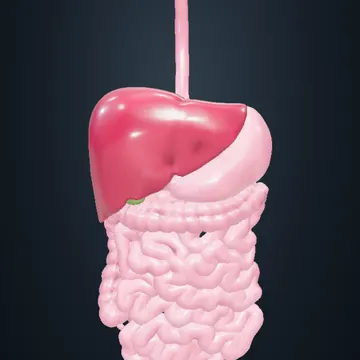 Human digestive system3D model ↗
In this chapter (NCERT sections)इस अध्याय में (NCERT खंड)
- 10.1Biotechnological Applications in Agricultureकृषि में जैवप्रौद्योगिकी के अनुप्रयोगAgriculture mein Biotechnology
- 10.2Biotechnological Applications in Medicineचिकित्सा में जैवप्रौद्योगिकी के अनुप्रयोगMedicine mein Biotechnology
- 10.2.1Genetically Engineered Insulinआनुवंशिक अभियांत्रिकी से बना इंसुलिनGenetically Engineered Insulin
- 10.2.2Gene Therapyजीन चिकित्साGene Therapy
- 10.2.3Molecular Diagnosisआण्विक निदानMolecular Diagnosis
- 10.3Transgenic Animalsपारजीनी जंतुTransgenic Animals
- 10.4Ethical Issuesनैतिक मुद्देEthical Issues
Biotechnology deals with making biopharmaceuticals and other biological products on an industrial scale using genetically modified microbes, fungi, plants and animals. Its uses include therapeutics, diagnostics, GM crops, processed food, bioremediation, waste treatment and energy production.जैवप्रौद्योगिकी (Biotechnology) में आनुवंशिक रूप से बदले गए सूक्ष्मजीवों, कवकों, पौधों व जंतुओं से बड़े पैमाने पर जैव-औषधियाँ और जैविक उत्पाद बनाए जाते हैं। इसके उपयोग: उपचार, रोग-निदान, GM फसलें, संसाधित भोजन, जैवोपचार, अपशिष्ट उपचार और ऊर्जा उत्पादन।Biotechnology ka matlab hai GM microbes, fungi, plants aur animals se industrial scale par medicines aur biological products banana. Iske uses: therapeutics (ilaaj), diagnostics (jaanch), GM crops, processed food, bioremediation, waste treatment aur energy production.Biotechnology = using changed (GM) living things to make useful products in factories — medicines, tests, better crops, cleaner environment, energy.
10.1Biotechnological Applications in Agricultureकृषि में जैवप्रौद्योगिकी के अनुप्रयोगAgriculture mein Biotechnology
To grow more food there are three options: (i) agro-chemical based agriculture, (ii) organic agriculture, and (iii) genetically engineered crop-based agriculture. The Green Revolution tripled the food supply, yet it was not enough for the growing population. Higher yields came partly from improved varieties but mainly from better management and agrochemicals (fertilisers, pesticides) — which are often too costly for farmers in developing countries, and conventional breeding could not raise yields further.अधिक भोजन उगाने के तीन विकल्प हैं: (i) कृषि-रसायन आधारित खेती, (ii) जैविक खेती, (iii) आनुवंशिक रूप से अभियांत्रिक फसलों पर आधारित खेती। हरित क्रांति ने खाद्य आपूर्ति तीन गुना कर दी, फिर भी बढ़ती जनसंख्या के लिए यह काफ़ी नहीं थी। उपज बढ़ी — कुछ उन्नत किस्मों से, पर ज़्यादातर अच्छे प्रबंधन और उर्वरक-पीड़कनाशी से। ये रसायन गरीब देशों के किसानों के लिए महँगे हैं, और पारंपरिक प्रजनन से अब उपज और नहीं बढ़ती।Zyada food ugane ke 3 options: (i) agro-chemical wali kheti, (ii) organic kheti, (iii) genetically engineered crops wali kheti. Green Revolution ne food supply 3 guna kar di, phir bhi badhti population ke liye kaafi nahi. Yield thodi improved varieties se badhi, par zyada fertilisers aur pesticides se — jo developing countries ke kisaano ke liye mehnge hain, aur normal breeding se yield aur nahi badh rahi.More food is needed. Chemicals are costly and normal breeding has reached its limit — so scientists looked at tissue culture and GM crops.
Tissue culture: three usesऊतक संवर्धन: तीन उपयोगTissue culture: three uses9 tappable partsOpenTissue culture. In the 1950s scientists learnt that whole plants can be regenerated from an explant grown in a test tube under sterile conditions in a special nutrient medium. This ability of any cell or explant to form a whole plant is totipotency. The nutrient medium must provide a carbon source such as sucrose, plus inorganic salts, vitamins, amino acids and growth regulators like auxins and cytokinins.ऊतक संवर्धन (Tissue culture)। 1950 के दशक में वैज्ञानिकों ने जाना कि कर्तोतक (explant) को परखनली में, निर्जर्मित (स्टेराइल) हालात में, विशेष पोषक माध्यम में उगाकर पूरा पौधा बनाया जा सकता है। किसी भी कोशिका/कर्तोतक से पूरा पौधा बनने की यह क्षमता पूर्णशक्तता (totipotency) है। पोषक माध्यम में कार्बन स्रोत (जैसे सुक्रोज़), अकार्बनिक लवण, विटामिन, अमीनो अम्ल और ऑक्सिन-साइटोकाइनिन जैसे वृद्धि नियामक होने चाहिए।Tissue culture. 1950s mein scientists ne dekha ki plant ka koi bhi part (explant) test tube mein sterile conditions aur special nutrient medium mein ugao toh poora plant ban jaata hai. Kisi bhi cell se poora plant banane ki yeh capacity hai totipotency. Nutrient medium mein carbon source (sucrose), inorganic salts, vitamins, amino acids aur auxins, cytokinins jaise growth regulators hone chahiye.A tiny piece of a plant, kept in a clean test tube with food (sugar, salts, vitamins, amino acids, plant hormones), can grow into a full plant. Plant cells can do this — totipotency.
Micro-propagation. Using this method, thousands of plants can be made in a very short time — micro-propagation. Each plant is genetically identical to the original plant: these are somaclones. Tomato, banana, apple and other food plants are produced commercially this way.सूक्ष्मप्रवर्धन। इस विधि से बहुत कम समय में हज़ारों पौधे बनाए जा सकते हैं — सूक्ष्मप्रवर्धन। हर पौधा मूल पौधे जैसा ही आनुवंशिक रूप से होता है — ये कायक्लोन (somaclones) हैं। टमाटर, केला, सेब आदि व्यावसायिक स्तर पर ऐसे ही बनाए जाते हैं।Micro-propagation. Is method se bahut kam time mein hazaaron plants ban jaate hain — micro-propagation. Har plant original plant ki genetic copy hota hai — inhe somaclones kehte hain. Tomato, banana, apple commercially aise hi banaye jaate hain.Tissue culture can make thousands of copy-plants fast (micro-propagation); the copies are called somaclones.
Virus-free plants. Even if a plant is infected with a virus, its meristem (apical and axillary) is free of virus. So the meristem is removed and grown in vitro to get healthy, virus-free plants. This has been done for banana, sugarcane and potato.विषाणु-मुक्त पौधे। पौधा विषाणु से संक्रमित हो, तब भी उसका विभज्योतक (शीर्षस्थ व कक्षीय) विषाणु-मुक्त रहता है। इसे निकालकर पात्रे (in vitro) उगाने से स्वस्थ पौधे मिलते हैं — केला, गन्ना, आलू में यह सफल रहा है।Virus-free plants. Plant virus se infected ho tab bhi uska meristem (apical aur axillary) virus-free hota hai. Meristem nikaal kar in vitro ugao → healthy virus-free plants. Banana, sugarcane, potato mein yeh ho chuka hai.The growing tip (meristem) of a sick plant has no virus — grow it in a test tube and you get a healthy plant.
Somatic hybridisation. Single plant cells can be isolated and their cell walls digested to give naked protoplasts (surrounded only by the plasma membrane). Protoplasts from two varieties, each with a useful character, can be fused into a hybrid protoplast and grown into a new plant — a somatic hybrid; the process is somatic hybridisation. Tomato + potato gave the pomato, but it did not have all the desired characters for commercial use.कायिक संकरण। पादप कोशिकाओं की भित्ति हटाकर नग्न जीवद्रव्यक (protoplast) (केवल प्लाज़्मा झिल्ली से घिरे) मिलते हैं। अच्छे गुणों वाली दो किस्मों के जीवद्रव्यक मिलाकर संकर जीवद्रव्यक बनता है, जिससे नया पौधा उगता है — कायिक संकर; विधि = कायिक संकरण। टमाटर + आलू से पोमैटो बना, पर इसमें व्यावसायिक उपयोग के सभी गुण नहीं आए।Somatic hybridisation. Plant cells ki cell wall hata do toh naked protoplasts milte hain (sirf plasma membrane). Do varieties ke protoplasts ko fuse karo → hybrid protoplast → naya plant = somatic hybrid. Tomato + potato se pomato bana, par usme commercial use ke saare gun nahi aaye.Remove the walls of cells from two plants, join the cells, and grow a mixed plant. Tomato + potato = pomato (not successful commercially).
Genetically modified crops. Plants, bacteria, fungi and animals whose genes have been altered by manipulation are Genetically Modified Organisms (GMO). GM plants are a possible way to get high yields while using fewer fertilisers and chemicals.आनुवंशिक रूप से रूपांतरित फसलें। जिन पौधों, जीवाणुओं, कवकों व जंतुओं के जीन हेरफेर से बदले गए हों, वे आनुवंशिकतः रूपांतरित जीव (GMO) हैं। GM पौधे कम उर्वरक व रसायनों के साथ अधिक उपज पाने का एक रास्ता हैं।GM crops. Jin plants, bacteria, fungi ya animals ke genes manipulation se change kiye gaye hon, woh Genetically Modified Organisms (GMO) hain. GM plants se kam fertilisers aur chemicals mein zyada yield mil sakti hai.GMO = a living thing whose genes we changed on purpose.
- GM crops are more tolerant to abiotic stresses — cold, drought, salt, heat.अजैविक प्रतिबल (ठंड, सूखा, लवण, गर्मी) के प्रति अधिक सहनशील।Abiotic stress (thand, sookha, salt, garmi) zyada sehan kar sakti hain.
- Less reliance on chemical pesticides (pest-resistant crops).रासायनिक पीड़कनाशियों पर निर्भरता कम (पीड़क-प्रतिरोधी फसलें)।Chemical pesticides par depend kam (pest-resistant crops).
- Lower post-harvest losses.कटाई के बाद होने वाली हानि कम।Harvest ke baad ka nuksaan kam.
- Better use of minerals by plants — this prevents early exhaustion of soil fertility.पौधे खनिजों का बेहतर उपयोग करते हैं — मिट्टी की उर्वरता जल्दी खत्म नहीं होती।Plants minerals ka better use karte hain — mitti ki fertility jaldi khatam nahi hoti.
- Higher nutritional value — e.g. golden rice, i.e. Vitamin A enriched rice.अधिक पोषण — जैसे गोल्डन राइस (विटामिन A से भरपूर चावल)।Zyada nutrition — jaise golden rice (Vitamin A rich chawal).
GM is also used to create tailor-made plants that supply industries with alternative resources — starches, fuels and pharmaceuticals.GM से उद्योगों के लिए विशेष पौधे भी बनाए जाते हैं जो स्टार्च, ईंधन और औषधियाँ देते हैं।GM se industries ke liye tailor-made plants bhi bante hain — starch, fuel aur medicines ke liye.GM plants can also be designed to give starch, fuel and medicines.
Bt toxin: how it kills the pestBt विष: कीट को कैसे मारता हैBt toxin: how it kills the pest10 tappable parts · 6 stepsOpenPest-resistant plants: Bt cotton. Bt toxin is made by the bacterium Bacillus thuringiensis (Bt). The Bt toxin gene has been cloned from the bacterium and expressed in plants, so they resist insects without insecticides — in effect a bio-pesticide. Examples: Bt cotton, Bt corn, rice, tomato, potato and soyabean. Some Bt strains make proteins that kill certain insects: lepidopterans (tobacco budworm, armyworm), coleopterans (beetles) and dipterans (flies, mosquitoes).पीड़क-प्रतिरोधी पौधे: Bt कपास। Bt विष जीवाणु बैसिलस थुरिनजिएंसिस (Bt) बनाता है। इस विष का जीन जीवाणु से क्लोन करके पौधों में व्यक्त कराया गया, जिससे बिना कीटनाशी के कीटों से बचाव होता है — यानी एक जैव-पीड़कनाशी। उदाहरण: Bt कपास, Bt मक्का, चावल, टमाटर, आलू, सोयाबीन। Bt के कुछ प्रभेद लेपिडोप्टेरा (तंबाकू बडवर्म, आर्मीवर्म), कोलियोप्टेरा (भृंग) व डिप्टेरा (मक्खी, मच्छर) कीटों को मारने वाली प्रोटीन बनाते हैं।Pest-resistant plants: Bt cotton. Bt toxin ek bacterium Bacillus thuringiensis (Bt) banata hai. Is toxin ka gene clone karke plants mein express karaya gaya — ab plant khud insects se bachta hai, insecticide ki zaroorat nahi. Matlab ek bio-pesticide. Examples: Bt cotton, Bt corn, rice, tomato, potato, soyabean. Bt ke kuch strains lepidopterans (tobacco budworm, armyworm), coleopterans (beetles) aur dipterans (flies, mosquitoes) ko maarte hain.A bacterium (Bt) makes a poison for certain insects. Its gene was put into crops like cotton, so the crop makes the poison itself and no spray is needed.
Why doesn’t the toxin kill the Bacillus? The bacterium forms protein crystals during one phase of growth; the toxin in them exists as an inactive protoxin. When an insect eats it, the alkaline pH of its gut dissolves the crystals and converts the protoxin into the active toxin. The active toxin binds to the surface of midgut epithelial cells and creates pores, which cause swelling and lysis of the cells and finally the death of the insect.यह विष बैसिलस को क्यों नहीं मारता? जीवाणु वृद्धि की एक अवस्था में प्रोटीन क्रिस्टल बनाता है; इनमें विष निष्क्रिय प्राकविष (protoxin) के रूप में रहता है। कीट जब इसे खाता है, तो आहारनाल का क्षारीय pH क्रिस्टलों को घोलकर प्राकविष को सक्रिय विष में बदल देता है। सक्रिय विष मध्यांत्र की उपकला कोशिकाओं की सतह से बंधकर छिद्र बनाता है, जिससे कोशिकाएँ फूलकर फट जाती हैं (लयन) और अंत में कीट मर जाता है।Toxin Bacillus ko kyun nahi maarta? Bacterium protein crystals banata hai jisme toxin inactive protoxin form mein hota hai. Insect jab ise khaata hai, toh uske gut ka alkaline pH crystals ko ghol deta hai aur protoxin active toxin ban jaata hai. Active toxin midgut epithelial cells se judkar pores bana deta hai → cells swell hokar burst (lysis) → insect mar jaata hai.In the bacterium the poison is "switched off". Inside the insect’s alkaline gut it is "switched on", punches holes in gut cells, the cells burst and the insect dies.
Specific Bt toxin genes were isolated and put into crops such as cotton NCERT Fig 10.1. The gene chosen depends on the crop and the target pest, because most Bt toxins are insect-group specific. The toxin is coded by genes named cry: proteins coded by cryIAc and cryIIAb control the cotton bollworms, and that of cryIAb controls the corn borer.विशिष्ट Bt विष जीन अलग करके कपास जैसी फसलों में डाले गए NCERT Fig 10.1। कौन-सा जीन लेना है, यह फसल और लक्ष्य कीट पर निर्भर करता है, क्योंकि अधिकतर Bt विष कीट-समूह विशिष्ट होते हैं। विष को cry नामक जीन कूटित करते हैं: cryIAc और cryIIAb की प्रोटीन कपास के बॉलवर्म को, और cryIAb की प्रोटीन मक्का छेदक (corn borer) को नियंत्रित करती है।Specific Bt toxin genes cotton jaisi crops mein daale gaye NCERT Fig 10.1. Kaunsa gene, yeh crop aur pest par depend karta hai, kyunki zyadatar Bt toxins insect-group specific hote hain. Toxin cry genes se code hota hai: cryIAc aur cryIIAb → cotton bollworms control; cryIAb → corn borer control.Different cry genes kill different pests: cryIAc and cryIIAb for cotton bollworms, cryIAb for the corn borer.
RNAi: nematode-resistant tobaccoRNAi: सूत्रकृमि-प्रतिरोधी तंबाकूRNAi: nematode-resistant tobaccoNCERT Fig 10.2 · 11 tappable parts · 6 stepsOpenPest-resistant plants: RNA interference. Several nematodes parasitise plants and animals, including humans. The nematode Meloidegyne incognita infects the roots of tobacco plants and greatly reduces yield. A new strategy based on RNA interference (RNAi) was used against it. RNAi happens in all eukaryotic organisms as a method of cellular defence: a complementary dsRNA binds a specific mRNA and prevents its translation (silencing). The source of this complementary RNA can be an infection by viruses with RNA genomes, or mobile genetic elements (transposons) that replicate via an RNA intermediate.पीड़क-प्रतिरोधी पौधे: RNA अंतरक्षेप। कई सूत्रकृमि (नेमाटोड) पौधों व जंतुओं (मनुष्य सहित) पर परजीवी होते हैं। सूत्रकृमि मेलॉयडोगाइन इनकोग्निटा तंबाकू की जड़ों को संक्रमित कर उपज बहुत घटा देता है। इसके विरुद्ध RNA अंतरक्षेप (RNAi) पर आधारित नई विधि अपनाई गई। RNAi सभी यूकैरियोटिक जीवों में कोशिकीय रक्षा की विधि है: एक पूरक dsRNA किसी विशिष्ट mRNA से बंधकर उसका अनुवादन रोक देता है (शमन)। यह पूरक RNA, RNA जीनोम वाले विषाणुओं के संक्रमण से या RNA मध्यवर्ती से प्रतिकृत होने वाले चल आनुवंशिक तत्वों (ट्रांसपोज़ॉन) से आ सकता है।Pest-resistant plants: RNA interference. Kai nematodes plants aur animals (insaan bhi) par parasite hote hain. Nematode Meloidegyne incognita tobacco ki roots ko infect karke yield bahut kam kar deta hai. Iske against RNA interference (RNAi) wali nayi strategy use hui. RNAi saare eukaryotes mein cell ki defence hai: complementary dsRNA ek specific mRNA se judkar uska translation rok deta hai (silencing). Yeh complementary RNA RNA-genome wale viruses ke infection se ya transposons (jo RNA intermediate se replicate hote hain) se aa sakta hai.A worm (nematode) damages tobacco roots. Cells have a natural trick, RNAi: a double-stranded RNA can switch off a matching mRNA. Scientists used this trick against the worm.
Using Agrobacterium vectors, nematode-specific genes were introduced into the host plant in such a way that the host cells made both sense and anti-sense RNA. Being complementary, the two formed a double-stranded RNA (dsRNA) that started RNAi and silenced the specific mRNA of the nematode. The parasite could not survive in the transgenic host, so the transgenic plant was protected NCERT Fig 10.2.एग्रोबैक्टीरियम वाहकों द्वारा सूत्रकृमि-विशिष्ट जीन पोषी पौधे में ऐसे डाले गए कि पोषी कोशिकाएँ सेंस व एंटी-सेंस दोनों RNA बनाएँ। पूरक होने से दोनों ने मिलकर द्विरज्जुकी RNA (dsRNA) बनाया, जिसने RNAi शुरू करके सूत्रकृमि के विशिष्ट mRNA को शांत कर दिया। परजीवी पारजीनी पोषी में जीवित नहीं रह सका और पारजीनी पौधा सुरक्षित रहा NCERT Fig 10.2।Agrobacterium vectors se nematode-specific genes host plant mein aise daale gaye ki host cells sense aur anti-sense dono RNA banayein. Dono complementary hain, toh milkar dsRNA ban gaya → RNAi start → nematode ka specific mRNA silence. Parasite transgenic host mein survive nahi kar paaya, aur transgenic plant protected raha NCERT Fig 10.2.The plant was made to produce a double RNA that matches a worm gene. When the worm feeds, its gene is switched off and it dies — the roots stay safe.
10.2Biotechnological Applications in Medicineचिकित्सा में जैवप्रौद्योगिकी के अनुप्रयोगMedicine mein Biotechnology
Recombinant DNA technology allows mass production of safe and more effective therapeutic drugs. Recombinant therapeutics do not cause the unwanted immune responses that are common with similar products taken from non-human sources. About 30 recombinant therapeutics have been approved for human use worldwide; 12 of these are presently marketed in India.पुनर्योगज DNA तकनीक से सुरक्षित और अधिक प्रभावी औषधियाँ बड़े पैमाने पर बनती हैं। ये अवांछित प्रतिरक्षा प्रतिक्रिया नहीं करतीं, जो अमानव स्रोतों से लिए गए उत्पादों में आम है। विश्व में लगभग 30 पुनर्योगज औषधियाँ मनुष्यों के लिए स्वीकृत हैं; इनमें से 12 अभी भारत में बिक रही हैं।Recombinant DNA technology se safe aur zyada effective medicines bade scale par banti hain. Yeh unwanted immune response nahi karti, jo non-human source wale products mein common hai. Duniya mein lagbhag 30 recombinant therapeutics approved hain; inme se 12 abhi India mein market mein hain.Medicines made by rDNA technology are safe, effective and do not trigger the body’s immune attack. About 30 are approved worldwide, 12 sold in India.
10.2.1Genetically Engineered Insulinआनुवंशिक अभियांत्रिकी से बना इंसुलिनGenetically Engineered Insulin
Adult-onset diabetes can be managed by taking insulin at regular intervals. Earlier, insulin was extracted from the pancreas3D of slaughtered cattle and pigs, but animal insulin caused allergy or other reactions in some patients because it is a foreign protein.वयस्क-आरंभ मधुमेह को नियमित अंतराल पर इंसुलिन लेकर नियंत्रित किया जाता है। पहले इंसुलिन मारे गए मवेशियों व सूअरों के अग्न्याशय3D से निकाला जाता था, पर विदेशी प्रोटीन होने के कारण कुछ रोगियों में इससे एलर्जी या अन्य प्रतिक्रियाएँ होती थीं।Adult-onset diabetes mein regular time par insulin lena padta hai. Pehle insulin slaughtered cattle aur pigs ke pancreas3D se nikaala jaata tha, par foreign protein hone se kuch patients ko allergy ya doosre reactions hote the.Diabetics need insulin. Old insulin came from cow and pig pancreas and caused allergy in some people.
Pro-insulin → insulinप्राक्-इंसुलिन → इंसुलिनPro-insulin → insulinNCERT Fig 10.3 · 5 tappable parts · 3 stepsOpenInsulin is made of two short polypeptide chains, A and B, linked by disulphide bridges NCERT Fig 10.3. In mammals, including humans, insulin is first made as a pro-hormone — pro-insulin — which has an extra stretch called the C peptide. The C peptide is not present in mature insulin; it is removed during maturation.इंसुलिन में दो छोटी पॉलीपेप्टाइड श्रृंखलाएँ, A और B होती हैं, जो डाइसल्फाइड बंधों से जुड़ी रहती हैं NCERT Fig 10.3। मनुष्य सहित स्तनधारियों में इंसुलिन पहले प्राक्-हार्मोन — प्राक्-इंसुलिन — के रूप में बनता है, जिसमें एक अतिरिक्त भाग C पेप्टाइड होता है। परिपक्व इंसुलिन में C पेप्टाइड नहीं होता; परिपक्वन में यह हटा दिया जाता है।Insulin mein do chhoti polypeptide chains, A aur B hoti hain jo disulphide bridges se judi hoti hain NCERT Fig 10.3. Mammals (insaan bhi) mein insulin pehle pro-hormone ke roop mein banta hai — pro-insulin — jisme ek extra hissa hota hai: C peptide. Mature insulin mein C peptide nahi hota; maturation mein ise hata diya jaata hai.Insulin = chain A + chain B joined by S–S bridges. The body first makes pro-insulin with an extra C peptide, then cuts the C peptide off.
Making human insulin in E. coliE. coli में मानव इंसुलिन बनानाMaking human insulin in E. coli7 tappable parts · 4 stepsOpenThe main challenge in making insulin by rDNA techniques was getting it assembled into the mature form. In 1983, Eli Lilly, an American company, prepared two DNA sequences matching chains A and B of human insulin and introduced them into plasmids of E. coli. Chains A and B were produced separately, extracted, and combined by creating disulphide bonds to form human insulin.rDNA तकनीक से इंसुलिन बनाने में मुख्य चुनौती थी उसे परिपक्व रूप में जोड़ना। 1983 में अमेरिकी कंपनी एली लिली ने मानव इंसुलिन की A और B श्रृंखलाओं के अनुरूप दो DNA अनुक्रम तैयार किए और उन्हें ई. कोलाई के प्लाज्मिड में डाला। A व B श्रृंखलाएँ अलग-अलग बनीं, निकाली गईं और डाइसल्फाइड बंध बनाकर जोड़ी गईं — मानव इंसुलिन तैयार।rDNA se insulin banane mein sabse badi problem thi use mature form mein jodna. 1983 mein American company Eli Lilly ne human insulin ki A aur B chains ke liye do DNA sequences banaye aur unhe E. coli ke plasmids mein daala. Chains A aur B alag-alag bani, nikaali gayin, aur disulphide bonds banakar jod di gayin → human insulin.Eli Lilly (1983) made chain A and chain B separately in E. coli, then joined them with S–S bonds to get human insulin.
10.2.2Gene Therapyजीन चिकित्साGene Therapy
Gene therapy is a collection of methods to correct a gene defect that has been diagnosed in a child or embryo. A normal gene is delivered into the person’s (or embryo’s) cells and tissues to take over the function of, and make up for, the non-functional gene.जीन चिकित्सा उन विधियों का समूह है जिनसे किसी बच्चे या भ्रूण में पहचाने गए जीन दोष को ठीक किया जाता है। व्यक्ति या भ्रूण की कोशिकाओं/ऊतकों में सामान्य जीन पहुँचाया जाता है, जो खराब जीन का काम संभाल लेता है।Gene therapy methods ka ek group hai jisse bachche ya embryo mein mile gene defect ko theek kiya jaata hai. Cells mein normal gene daala jaata hai jo kharaab (non-functional) gene ka kaam sambhal leta hai.Gene therapy = putting a working gene into cells to replace a faulty one.
Gene therapy for ADA deficiencyADA की कमी के लिए जीन चिकित्साGene therapy for ADA deficiency7 tappable parts · 6 stepsOpenThe first clinical gene therapy was given in 1990 to a 4-year-old girl with adenosine deaminase (ADA) deficiency. ADA is crucial for the immune system; the disorder is caused by deletion of the ADA gene. Some children can be cured by bone marrow transplantation; others are treated by enzyme replacement therapy (functional ADA given by injection). But neither approach is completely curative.पहली क्लिनिकल जीन चिकित्सा 1990 में एडिनोसिन डिएमिनेज़ (ADA) की कमी वाली 4 वर्ष की बच्ची को दी गई। ADA प्रतिरक्षा तंत्र के लिए बहुत ज़रूरी है; यह रोग ADA जीन के विलोपन (deletion) से होता है। कुछ बच्चों में अस्थि मज्जा प्रत्यारोपण से इलाज होता है, कुछ में एंजाइम प्रतिस्थापन चिकित्सा से (क्रियाशील ADA इंजेक्शन से)। पर दोनों विधियाँ पूरी तरह रोग नहीं मिटातीं।Pehli clinical gene therapy 1990 mein ek 4 saal ki bachchi ko di gayi jise adenosine deaminase (ADA) deficiency thi. ADA immune system ke liye bahut zaroori hai; yeh disorder ADA gene ke deletion se hota hai. Kuch bachchon ka ilaaj bone marrow transplant se hota hai, kuch ka enzyme replacement therapy se (functional ADA injection se). Par dono poori tarah cure nahi karte.First gene therapy (1990): a 4-year-old girl lacking the ADA enzyme (needed for immunity). Bone marrow transplant or ADA injections help but don’t fully cure.
As a first step towards gene therapy, lymphocytes from the patient’s blood are grown in a culture outside the body. A functional ADA cDNA is introduced into them using a retroviral vector, and the cells are returned to the patient. These cells are not immortal, so the patient needs periodic infusions of genetically engineered lymphocytes. If the gene isolated from marrow cells producing ADA is introduced into cells at early embryonic stages, it could be a permanent cure.जीन चिकित्सा के पहले कदम में रोगी के रक्त के लसीकाणु (lymphocytes) शरीर के बाहर संवर्धित किए जाते हैं। रेट्रोवायरस वाहक की मदद से इनमें क्रियाशील ADA cDNA डाला जाता है और कोशिकाएँ रोगी में वापस डाल दी जाती हैं। ये कोशिकाएँ अमर नहीं हैं, इसलिए समय-समय पर निवेशन करना पड़ता है। यदि ADA बनाने वाली मज्जा कोशिकाओं से अलग किया जीन प्रारंभिक भ्रूण अवस्था की कोशिकाओं में डाला जाए, तो यह स्थायी उपचार हो सकता है।Pehle step mein patient ke blood se lymphocytes nikaal kar body ke bahar culture mein ugaye jaate hain. Retroviral vector se inme functional ADA cDNA daala jaata hai, phir cells wapas patient mein. Yeh cells immortal nahi hain, toh baar-baar infusion dena padta hai. Agar ADA banane wale marrow cells ka gene early embryonic stage ke cells mein daal diya jaaye, toh permanent cure ho sakta hai.Take the child’s white blood cells, add a working ADA gene using a virus carrier, put them back. Repeat often, because the cells die. Putting the gene into early embryo cells could cure it for good.
10.2.3Molecular Diagnosisआण्विक निदानMolecular Diagnosis
Early diagnosis is very important for treatment, but conventional methods (serum and urine analysis) cannot detect disease early. Recombinant DNA technology, PCR and ELISA help in early diagnosis. A pathogen is usually suspected only after it has caused symptoms — by then it is present in high numbers.इलाज के लिए जल्दी निदान बहुत ज़रूरी है, पर पारंपरिक विधियों (सीरम व मूत्र जाँच) से रोग जल्दी नहीं पकड़ा जाता। पुनर्योगज DNA तकनीक, PCR और ELISA से जल्दी निदान संभव है। रोगजनक का संदेह प्रायः लक्षण दिखने पर होता है — तब तक उसकी संख्या बहुत बढ़ चुकी होती है।Ilaaj ke liye early diagnosis bahut zaroori hai, par normal methods (serum, urine test) se disease jaldi nahi pakdi jaati. rDNA technology, PCR aur ELISA se early diagnosis hota hai. Pathogen ka shak tab hota hai jab symptoms aa jaate hain — tab tak pathogen bahut badh chuka hota hai.Normal tests catch a disease late. DNA-based tests, PCR and ELISA catch it early.
Molecular diagnosis: PCR, probe, ELISAआण्विक निदान: PCR, प्रोब, एलाइज़ाMolecular diagnosis: PCR, probe, ELISA7 tappable partsOpenPCR. A very low concentration of a bacterium or virus — even before symptoms appear — can be detected by amplifying its nucleic acid with PCR. PCR is now routinely used to detect HIV in suspected AIDS patients, to detect gene mutations in suspected cancer patients, and to identify many other genetic disorders.PCR। लक्षण आने से पहले भी, बहुत कम मात्रा के जीवाणु या विषाणु को उसके न्यूक्लिक अम्ल का PCR से प्रवर्धन करके पकड़ा जा सकता है। PCR अब संदिग्ध AIDS रोगियों में HIV, संदिग्ध कैंसर रोगियों में जीन उत्परिवर्तन और कई अन्य आनुवंशिक विकारों की पहचान में नियमित रूप से उपयोग होता है।PCR. Bahut kam bacteria ya virus — symptoms se pehle bhi — unke nucleic acid ko PCR se amplify karke detect ho jaata hai. PCR se suspected AIDS patients mein HIV, cancer patients mein gene mutations aur kai genetic disorders pehchaane jaate hain.PCR makes millions of copies of a tiny bit of germ DNA, so even a few germs can be found — e.g. HIV, cancer mutations.
Probe. A single-stranded DNA or RNA tagged with a radioactive molecule — a probe — is allowed to hybridise to its complementary DNA in a clone of cells, and then detected by autoradiography. A clone with the mutated gene does not appear on the photographic film, because the probe is not complementary to the mutated gene.प्रोब। रेडियोधर्मी अणु से चिह्नित एकल-रज्जुकी DNA या RNA — प्रोब — को कोशिकाओं के क्लोन में उसके पूरक DNA से संकरित होने दिया जाता है, फिर स्वविकिरणी चित्रण (autoradiography) से पहचान होती है। उत्परिवर्तित जीन वाला क्लोन फ़ोटोग्राफ़िक फ़िल्म पर नहीं दिखता, क्योंकि प्रोब उसका पूरक नहीं है।Probe. Radioactive tag wala single-stranded DNA ya RNA — probe — cells ke clone mein apne complementary DNA se hybridise karta hai, phir autoradiography se detect hota hai. Mutated gene wala clone photographic film par dikhta hi nahi, kyunki probe uska complementary nahi hai.A radioactive "searcher" strand sticks only to the normal gene. On film, the normal gene shows a spot; the mutated one shows nothing.
ELISA is based on the principle of antigen–antibody interaction. Infection can be detected by the presence of the pathogen’s antigens (proteins, glycoproteins, etc.) or by detecting the antibodies made against the pathogen (see ELISA).ELISA प्रतिजन-प्रतिरक्षी अन्योन्यक्रिया के सिद्धांत पर आधारित है। संक्रमण को रोगजनक के प्रतिजनों (प्रोटीन, ग्लाइकोप्रोटीन आदि) की उपस्थिति से या उसके विरुद्ध बने प्रतिरक्षियों से पहचाना जाता है (ELISA देखें)।ELISA antigen–antibody interaction ke principle par chalta hai. Infection pathogen ke antigens (proteins, glycoproteins) se ya uske against bani antibodies se detect hota hai (ELISA dekho).ELISA looks for the germ’s antigens, or for the antibodies our body made against the germ.
10.3Transgenic Animalsपारजीनी जंतुTransgenic Animals
Animals whose DNA has been manipulated to possess and express an extra (foreign) gene are transgenic animals. Transgenic rats, rabbits, pigs, sheep, cows and fish have been produced, but over 95 per cent of all existing transgenic animals are mice. They are made for these reasons (see all five):जिन जंतुओं के DNA में हेरफेर करके एक अतिरिक्त (बाहरी) जीन डाला गया हो और वह व्यक्त होता हो, वे पारजीनी जंतु हैं। पारजीनी चूहे (रैट), खरगोश, सूअर, भेड़, गाय और मछली बनाए गए हैं, पर 95 प्रतिशत से अधिक पारजीनी जंतु चुहिया (माइस) हैं। इन्हें इन कारणों से बनाया जाता है (पाँचों देखें):Jin animals ke DNA mein extra (foreign) gene daala gaya ho aur woh express hota ho, woh transgenic animals hain. Transgenic rats, rabbits, pigs, sheep, cows aur fish bane hain, par 95% se zyada mice hain. Inhe in reasons se banaya jaata hai (paanchon dekho):Transgenic animal = an animal carrying and using a foreign gene. Mostly mice (over 95%).
Transgenic animals: 5 usesपारजीनी जंतु: 5 उपयोगTransgenic animals: 5 uses6 tappable partsOpen- Normal physiology and development: to study how genes are regulated and how they affect normal body functions and development — e.g. insulin-like growth factor. Genes from other species that change how this factor forms are introduced, and the effects tell us its role in the body.सामान्य कार्यिकी व विकास: जीन नियमन और शरीर के सामान्य कार्यों व विकास पर उनके प्रभाव का अध्ययन — जैसे इंसुलिन-जैसा वृद्धि कारक। दूसरी जातियों के जीन डालकर इसके बनने में बदलाव किया जाता है और प्रभावों से इसकी भूमिका पता चलती है।Normal physiology aur development: genes kaise regulate hote hain aur body ke kaam/development par kya asar daalte hain — jaise insulin-like growth factor. Doosri species ke genes daal kar dekha jaata hai ki is factor ka role kya hai.
- Study of disease: transgenic models of human diseases — cancer, cystic fibrosis, rheumatoid arthritis and Alzheimer’s — help us understand how genes cause disease and test new treatments.रोगों का अध्ययन: मानव रोगों — कैंसर, सिस्टिक फाइब्रोसिस, रूमेटॉयड आर्थराइटिस, अल्ज़ाइमर — के पारजीनी मॉडल, जिनसे रोग में जीनों की भूमिका समझी जाती है और नए उपचार जाँचे जाते हैं।Study of disease: human diseases — cancer, cystic fibrosis, rheumatoid arthritis, Alzheimer’s — ke transgenic models, naye treatments test karne ke liye.
- Biological products: animals given the gene for a useful product, e.g. human α-1-antitrypsin, used to treat emphysema; similar attempts for phenylketonuria (PKU) and cystic fibrosis. In 1997 the first transgenic cow, Rosie, gave human protein-enriched milk (2.4 grams per litre) containing human alpha-lactalbumin — nutritionally more balanced for human babies than natural cow milk.जैविक उत्पाद: उपयोगी उत्पाद का जीन डालकर — जैसे मानव α-1-एंटीट्रिप्सिन (एम्फ़ाइसेमा के इलाज में); फ़ेनिलकीटोन्यूरिया (PKU) व सिस्टिक फाइब्रोसिस के लिए भी प्रयास। 1997 में पहली पारजीनी गाय रोज़ी ने मानव प्रोटीन-युक्त दूध (2.4 ग्राम प्रति लीटर) दिया, जिसमें मानव अल्फ़ा-लैक्टएल्ब्यूमिन था — मानव शिशुओं के लिए सामान्य गाय के दूध से अधिक संतुलित।Biological products: useful product ka gene daal kar — jaise human α-1-antitrypsin (emphysema ke ilaaj ke liye); PKU aur cystic fibrosis ke liye bhi try ho raha hai. 1997 mein pehli transgenic cow Rosie ne human alpha-lactalbumin wala doodh diya (2.4 gram per litre) — babies ke liye normal cow milk se zyada balanced.
- Vaccine safety: transgenic mice are used to test the safety of vaccines, such as the polio vaccine, before use on humans; if reliable they could replace monkeys for this testing.टीका सुरक्षा: पारजीनी चुहियों से टीकों (जैसे पोलियो टीका) की सुरक्षा जाँच, मनुष्यों पर उपयोग से पहले; सफल होने पर बंदरों की जगह ले सकते हैं।Vaccine safety: transgenic mice se vaccines (jaise polio vaccine) ki safety test hoti hai; reliable rahe toh monkeys ki jagah le sakte hain.
- Chemical safety testing (toxicity testing): animals carrying genes that make them more sensitive to toxic substances are exposed to them and studied — results come in less time.रासायनिक सुरक्षा परीक्षण (विषाक्तता परीक्षण): विषैले पदार्थों के प्रति अधिक संवेदनशील बनाए गए जंतुओं पर परीक्षण — कम समय में परिणाम।Chemical safety testing (toxicity testing): aise animals jo toxic substances ke liye zyada sensitive hain, unpar test — result jaldi milta hai.
10.4Ethical Issuesनैतिक मुद्देEthical Issues
Manipulating living organisms cannot go on without regulation; ethical standards are needed to judge whether such activities help or harm living organisms. Biologically too, GM organisms can have unpredictable results when introduced into an ecosystem. So the Indian Government has set up organisations such as GEAC (Genetic Engineering Approval Committee), which decides on the validity of GM research and the safety of introducing GM organisms for public services.जीवों में हेरफेर बिना नियमन के आगे नहीं चल सकता; ऐसे कामों से जीवों को लाभ है या हानि, यह परखने के लिए नैतिक मानक ज़रूरी हैं। जैविक रूप से भी, GM जीव पारितंत्र में छोड़े जाने पर अप्रत्याशित परिणाम दे सकते हैं। इसलिए भारत सरकार ने GEAC (आनुवंशिक अभियांत्रिकी अनुमोदन समिति) जैसी संस्थाएँ बनाई हैं, जो GM अनुसंधान की वैधता और GM जीवों को जनसेवा में लाने की सुरक्षा पर निर्णय लेती हैं।Living organisms ke saath chhed-chhaad bina rules ke nahi chal sakti; ethical standards chahiye. Biologically bhi, GM organisms ecosystem mein chhodne par unexpected results de sakte hain. Isliye Indian Government ne GEAC (Genetic Engineering Approval Committee) banayi, jo GM research ki validity aur GM organisms ko public use mein laane ki safety par decide karti hai.GM work needs rules. In India, GEAC decides whether GM research is valid and whether a GM organism is safe to release.
Using living organisms for public services (as food and medicine) has also raised problems with patents. There is public anger that some companies get patents on products and technologies built on genetic materials, plants and biological resources that farmers and indigenous people of a region have long identified, developed and used.जीवों को भोजन व औषधि के रूप में जनसेवा में लाने से पेटेंट की समस्याएँ भी आई हैं। लोगों में रोष है कि कुछ कंपनियों को उन आनुवंशिक पदार्थों, पौधों व जैव-संसाधनों पर आधारित उत्पादों के पेटेंट मिल रहे हैं, जिन्हें किसी क्षेत्र के किसान और मूल निवासी बहुत समय से पहचानते, विकसित करते और उपयोग करते आए हैं।Organisms ko food aur medicine ke roop mein use karne se patents ki problem bhi aayi. Logon mein gussa hai ki kuch companies ko un plants aur bio-resources par patent mil rahe hain jinhe kisaan aur indigenous log bahut pehle se use karte aaye hain.Companies sometimes patent things that local farmers have used for ages — people find this unfair.
Biopiracy is the use of bio-resources by multinational companies and other organisations without proper authorisation from the countries and people concerned and without compensatory payment. Industrialised nations are rich financially but poor in biodiversity and traditional knowledge; developing and underdeveloped countries are rich in both. Some nations are making laws to stop such unauthorised use; the Indian Parliament has cleared the second amendment of the Indian Patents Bill, which takes such issues into consideration.जैव-दस्युता (Biopiracy) — बहुराष्ट्रीय कंपनियों व संगठनों द्वारा संबंधित देश व लोगों की उचित अनुमति और क्षतिपूर्ति भुगतान के बिना जैव-संसाधनों का उपयोग। औद्योगिक देश धन में अमीर पर जैव-विविधता व पारंपरिक ज्ञान में गरीब हैं; विकासशील व अल्पविकसित देश इन दोनों में अमीर हैं। कुछ देश ऐसे अनधिकृत उपयोग रोकने के कानून बना रहे हैं; भारतीय संसद ने भारतीय पेटेंट बिल का दूसरा संशोधन पारित किया है, जिसमें ऐसे मुद्दों का ध्यान रखा गया है।Biopiracy = multinational companies ya organisations ka kisi desh aur uske logon ki permission aur payment ke bina bio-resources use karna. Industrialised countries paise mein ameer par biodiversity aur traditional knowledge mein gareeb hain; developing countries dono mein ameer. Kuch desh iske against laws bana rahe hain; Indian Parliament ne Indian Patents Bill ka second amendment clear kiya hai jo in issues ko dhyan mein rakhta hai.Biopiracy = taking a country’s plants or traditional knowledge without permission or payment. India changed its patent law to fight it.
Watch · Revise · Practiseदेखें · दोहराएँ · अभ्यास करें
Found a mistake? Report a mistake — we fix confirmed errors quickly.
These are Simple Learning Hub's own study notes written to follow the NCERT textbook (current rationalised edition) section by section; read them with the official NCERT chapter. Diagrams are original SLH drawings based on the NCERT figures they name.