
CLASS 12 BIOLOGY · CHAPTER 3 · READ
Reproductive Healthजनन स्वास्थ्यReproductive Health
What reproductive health means → India's programmes → population and contraception → MTP → STIs → infertility and ART. NCERT order, simple words.जनन स्वास्थ्य का अर्थ → भारत के कार्यक्रम → जनसंख्या और गर्भनिरोध → MTP → यौन संचारित संक्रमण → बंध्यता और सहायक जनन प्रौद्योगिकी। NCERT के क्रम में, आसान भाषा में।Reproductive health ka matlab → India ke programmes → population aur contraception → MTP → STIs → infertility aur ART. NCERT order, simple words.
Didn’t understand a paragraph? Tap it (or its अ button) → हिंदी / Hinglish / Simple English.कोई पैराग्राफ़ समझ नहीं आया? उस पर (या अ बटन पर) टैप करें → English / Hinglish / Simple English।Koi paragraph samajh nahi aaya? Us par (ya अ button par) tap karo → हिंदी / English / Simple English.
Diagrams in this chapterइस अध्याय के डायग्राम
 Where contraceptives and ART actगर्भनिरोधक और ART कहाँ काम करते हैंFigs 3.1–3.4
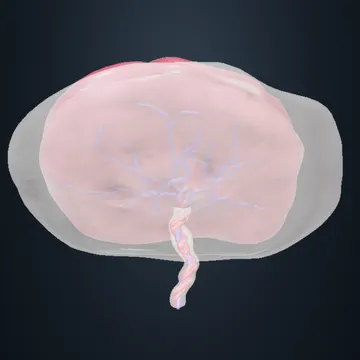 Human placenta and umbilical cord (full term)3D model ↗
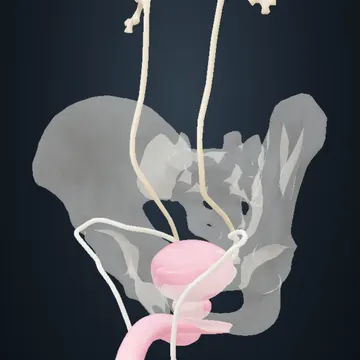 Human male reproductive system3D model ↗
In this chapter (NCERT sections)इस अध्याय में (NCERT खंड)
- 3.1Reproductive Health – Problems and Strategiesजनन स्वास्थ्य – समस्याएँ और कार्यनीतियाँReproductive Health – Problems aur Strategies
- 3.2Population Stabilisation and Birth Controlजनसंख्या स्थिरीकरण और जन्म नियंत्रणPopulation Stabilisation aur Birth Control
- 3.3Medical Termination of Pregnancy (MTP)चिकित्सीय सगर्भता समापन (MTP)Medical Termination of Pregnancy (MTP)
- 3.4Sexually Transmitted Infections (STIs)यौन संचारित संक्रमण (STI)Sexually Transmitted Infections (STIs)
- 3.5Infertilityबंध्यताInfertility
In Chapter 2 we studied the human reproductive system. Now a closely related topic: reproductive health. In simple words it means healthy reproductive organs with normal functions — but it is broader than that. According to the World Health Organisation (WHO), reproductive health means total well-being in all aspects of reproduction — physical, emotional, behavioural and social. So a society whose people have physically and functionally normal reproductive organs, and normal emotional and behavioural interactions in all sex-related matters, is called reproductively healthy.अध्याय 2 में हमने मानव जनन तंत्र पढ़ा। अब उससे जुड़ा विषय: जनन स्वास्थ्य (reproductive health)। आसान शब्दों में इसका अर्थ है सामान्य कार्य करने वाले स्वस्थ जनन अंग — पर इसका दायरा इससे बड़ा है। विश्व स्वास्थ्य संगठन (WHO) के अनुसार जनन स्वास्थ्य का अर्थ है जनन के सभी पहलुओं — शारीरिक, भावनात्मक, व्यवहारिक और सामाजिक — में पूर्ण कुशलता। इसलिए जिस समाज के लोगों के जनन अंग शारीरिक और क्रियात्मक रूप से सामान्य हों, और यौन से जुड़े सभी मामलों में उनका भावनात्मक और व्यवहारिक मेलजोल सामान्य हो, उसे जनन रूप से स्वस्थ समाज कहते हैं।Chapter 2 mein humne human reproductive system padha. Ab usse juda topic: reproductive health. Simple words mein iska matlab hai normal kaam karne wale healthy reproductive organs — par iska scope isse bada hai. World Health Organisation (WHO) ke hisaab se reproductive health ka matlab hai reproduction ke saare aspects — physical, emotional, behavioural aur social — mein poori well-being. Isliye jis society ke logon ke reproductive organs physically aur functionally normal hon, aur sex se jude saare maamlon mein unka emotional aur behavioural interaction normal ho, use reproductively healthy society kehte hain.Reproductive health = healthy reproductive organs + being well in body, mind, behaviour and society (WHO). A society like that is "reproductively healthy".
3.1Reproductive Health – Problems and Strategiesजनन स्वास्थ्य – समस्याएँ और कार्यनीतियाँReproductive Health – Problems aur Strategies
India was amongst the first countries in the world to start national action plans for total reproductive health as a social goal. These programmes, called 'family planning', started in 1951. Improved programmes covering wider areas now run under the name Reproductive and Child Health Care (RCH) programmes. Their main tasks: creating awareness about reproduction-related aspects and providing facilities and support for a reproductively healthy society.भारत दुनिया के पहले देशों में से था जिसने पूर्ण जनन स्वास्थ्य को सामाजिक लक्ष्य मानकर राष्ट्रीय स्तर पर कार्य योजनाएँ शुरू कीं। ये कार्यक्रम 'परिवार नियोजन' कहलाए और 1951 में शुरू हुए। अब बड़े क्षेत्रों को शामिल करने वाले बेहतर कार्यक्रम जनन एवं बाल स्वास्थ्य सेवा (RCH) कार्यक्रम के नाम से चल रहे हैं। इनके मुख्य काम: जनन से जुड़े पहलुओं के बारे में जागरूकता फैलाना और जनन रूप से स्वस्थ समाज के लिए सुविधाएँ और सहायता देना।India duniya ke pehle deshon mein se tha jisne poori reproductive health ko social goal maankar national level par action plans shuru kiye. Ye programmes 'family planning' kehlaaye aur 1951 mein shuru hue. Ab bade areas cover karne wale improved programmes Reproductive and Child Health Care (RCH) programmes ke naam se chal rahe hain. Inke main kaam: reproduction se jude aspects ke baare mein awareness failana aur reproductively healthy society ke liye facilities aur support dena.India was one of the first countries with national programmes for reproductive health — "family planning" from 1951, now called RCH programmes. Their job: spread awareness and give facilities.
Awareness: government and non-government agencies use audio-visual and print media. Parents, relatives, teachers and friends also share the right information. Sex education in schools should be encouraged, so that young people get correct information and do not believe myths and misconceptions. Right information about reproductive organs, adolescence and its changes, safe and hygienic sexual practices, STIs, AIDS etc. helps people — especially adolescents — lead a reproductively healthy life. Fertile couples and people of marriageable age should learn about birth control options, care of pregnant mothers, post-natal care of mother and child, the importance of breast feeding, and equal opportunities for the male and the female child. People should also be made aware of problems of uncontrolled population growth and social evils like sex-abuse and sex-related crimes.जागरूकता: सरकारी और ग़ैर-सरकारी संस्थाएँ दृश्य-श्रव्य और प्रिंट माध्यमों का उपयोग करती हैं। माता-पिता, रिश्तेदार, शिक्षक और मित्र भी सही जानकारी देते हैं। विद्यालयों में यौन शिक्षा को बढ़ावा देना चाहिए, ताकि युवाओं को सही जानकारी मिले और वे मिथकों और भ्रांतियों पर विश्वास न करें। जनन अंगों, किशोरावस्था और उसके बदलावों, सुरक्षित और स्वच्छ यौन व्यवहार, STI, एड्स आदि की सही जानकारी लोगों को — ख़ासकर किशोरों को — जनन रूप से स्वस्थ जीवन जीने में मदद करती है। प्रजनन योग्य दंपतियों और विवाह योग्य आयु के लोगों को जन्म नियंत्रण के विकल्प, गर्भवती माँ की देखभाल, प्रसव के बाद माँ और शिशु की देखभाल, स्तनपान का महत्व, और लड़के और लड़की को समान अवसर के बारे में जानना चाहिए। अनियंत्रित जनसंख्या वृद्धि की समस्याओं और यौन शोषण तथा यौन अपराध जैसी सामाजिक बुराइयों के प्रति भी लोगों को जागरूक करना चाहिए।Awareness: government aur non-government agencies audio-visual aur print media use karti hain. Parents, rishtedaar, teachers aur dost bhi sahi jaankari dete hain. Schools mein sex education ko badhava dena chahiye, taaki young logon ko sahi info mile aur wo myths aur galat-fehmiyon par believe na karein. Reproductive organs, adolescence aur uske changes, safe aur hygienic sexual practices, STIs, AIDS waghera ki sahi info logon ko — khaaskar teenagers ko — reproductively healthy life jeene mein help karti hai. Fertile couples aur shaadi ki age wale logon ko birth control options, pregnant maa ki care, delivery ke baad maa aur baby ki care, breastfeeding ki importance, aur ladke aur ladki ko barabar mauke ke baare mein jaanna chahiye. Uncontrolled population growth ki problems aur sex-abuse, sex-related crimes jaisi social buraiyon ke baare mein bhi logon ko aware karna chahiye.Spread the right information — through media, parents, teachers and sex education in schools — about the body, puberty, safe sex, STIs, AIDS, birth control, care of mother and baby, breastfeeding, equal chances for girls and boys, and the dangers of sex-abuse and too much population growth.
Facilities: strong infrastructure, professional expertise and material support are needed to give medical help for pregnancy, delivery, STDs, abortions, contraception, menstrual problems, infertility etc. Two programmes worth mentioning: the statutory ban on amniocentesis3D for sex-determination, to legally check the increasing menace of female foeticides, and massive child immunisation. In amniocentesis some of the amniotic fluid of the developing foetus is taken to analyse the foetal cells and dissolved substances; it tests for genetic disorders like Down syndrome, haemophilia and sickle-cell anaemia and checks the survivability of the foetus.सुविधाएँ: गर्भावस्था, प्रसव, STD, गर्भपात, गर्भनिरोध, मासिक धर्म की समस्याओं, बंध्यता आदि में चिकित्सा सहायता के लिए मज़बूत बुनियादी ढाँचा, विशेषज्ञता और सामग्री सहायता चाहिए। दो उल्लेखनीय कार्यक्रम: बढ़ती कन्या भ्रूण हत्या को क़ानूनी रूप से रोकने के लिए लिंग-परीक्षण हेतु उल्बवेधन (amniocentesis)3D पर वैधानिक रोक, और बड़े पैमाने पर शिशु टीकाकरण। उल्बवेधन में विकसित हो रहे गर्भ के उल्ब द्रव का कुछ भाग लेकर गर्भ की कोशिकाओं और घुले पदार्थों की जाँच की जाती है; इससे डाउन सिंड्रोम, हीमोफ़ीलिया और सिकल-सेल एनीमिया जैसे आनुवंशिक विकार और गर्भ के जीवित रहने की क्षमता जाँची जाती है।Facilities: pregnancy, delivery, STDs, abortion, contraception, period problems, infertility waghera mein medical help ke liye strong infrastructure, expertise aur material support chahiye. Do khaas programmes: badhte female foeticide ko legally rokne ke liye sex-determination ke liye amniocentesis3D par statutory ban, aur bade level par child immunisation. Amniocentesis mein developing foetus ka thoda amniotic fluid lekar foetal cells aur ghule substances check kiye jaate hain; isse Down syndrome, haemophilia aur sickle-cell anaemia jaise genetic disorders aur foetus ke survive karne ki capacity check hoti hai.Hospitals, experts and supplies are needed. Two key steps: using amniocentesis (testing the baby's fluid) to find a baby's sex is banned, to stop female foeticide; and mass vaccination of children. Amniocentesis is meant for finding genetic disorders like Down syndrome.
Research is also supported. Did you know? 'Saheli' — a new oral contraceptive for females — was developed by scientists at the Central Drug Research Institute (CDRI), Lucknow. Signs that reproductive health in society has improved: better awareness about sex-related matters, more medically assisted deliveries and better post-natal care (so lower maternal and infant mortality rates), more couples with small families, better detection and cure of STDs, and more medical facilities for sex-related problems.अनुसंधान को भी बढ़ावा दिया जाता है। क्या आप जानते हैं? स्त्रियों के लिए नई मुखीय गर्भनिरोधक गोली 'सहेली' केंद्रीय औषध अनुसंधान संस्थान (CDRI), लखनऊ के वैज्ञानिकों ने विकसित की। समाज में जनन स्वास्थ्य सुधरने के संकेत: यौन मामलों के बारे में बेहतर जागरूकता, चिकित्सकीय सहायता से ज़्यादा प्रसव और प्रसव के बाद बेहतर देखभाल (जिससे मातृ और शिशु मृत्यु दर कम), छोटे परिवार वाले ज़्यादा दंपती, STD की बेहतर पहचान और इलाज, और यौन समस्याओं के लिए ज़्यादा चिकित्सा सुविधाएँ।Research ko bhi support kiya jaata hai. Kya aap jaante hain? Aurton ke liye nayi oral contraceptive 'Saheli' Central Drug Research Institute (CDRI), Lucknow ke scientists ne develop ki. Society mein reproductive health sudharne ke signs: sex ke maamlon mein better awareness, medical help se zyaada deliveries aur delivery ke baad better care (jisse maternal aur infant mortality rate kam), chhote parivaar wale zyaada couples, STDs ki better detection aur ilaaj, aur sex-related problems ke liye zyaada medical facilities.Research matters too: the pill "Saheli" was made at CDRI, Lucknow. Fewer mothers and babies dying, smaller families and better treatment of STDs show that reproductive health has improved.
3.2Population Stabilisation and Birth Controlजनसंख्या स्थिरीकरण और जन्म नियंत्रणPopulation Stabilisation aur Birth Control
Better health facilities and living conditions made the population grow explosively. The world population was about 2 billion in 1900, about 6 billion by 2000 and 7.2 billion in 2011. India's population was about 350 million at independence, close to 1 billion by 2000, and crossed 1.2 billion in May 2011. Probable reasons: a rapid fall in death rate, maternal mortality rate (MMR) and infant mortality rate (IMR), and an increase in the number of people of reproducible age. According to the 2011 census, the growth rate was less than 2 per cent (20/1000/year) — still a rate at which the population can increase rapidly and cause scarcity of even food, shelter and clothing.बेहतर स्वास्थ्य सुविधाओं और रहन-सहन से जनसंख्या विस्फोटक रूप से बढ़ी। विश्व की जनसंख्या 1900 में लगभग 2 अरब, 2000 तक लगभग 6 अरब और 2011 में 7.2 अरब थी। भारत की जनसंख्या स्वतंत्रता के समय लगभग 35 करोड़ थी, 2000 तक लगभग 1 अरब हुई और मई 2011 में 1.2 अरब पार कर गई। संभावित कारण: मृत्यु दर, मातृ मृत्यु दर (MMR) और शिशु मृत्यु दर (IMR) में तेज़ गिरावट, और प्रजनन योग्य आयु के लोगों की संख्या में बढ़ोतरी। 2011 की जनगणना के अनुसार वृद्धि दर 2 प्रतिशत से कम (20/1000/वर्ष) थी — फिर भी इस दर से जनसंख्या तेज़ी से बढ़ सकती है और भोजन, आवास, कपड़े जैसी बुनियादी चीज़ों की भी कमी हो सकती है।Better health facilities aur rehan-sehan se population explosive tarike se badhi. World population 1900 mein lagbhag 2 billion, 2000 tak lagbhag 6 billion aur 2011 mein 7.2 billion thi. India ki population independence ke time lagbhag 350 million thi, 2000 tak lagbhag 1 billion hui aur May 2011 mein 1.2 billion paar kar gayi. Possible reasons: death rate, maternal mortality rate (MMR) aur infant mortality rate (IMR) mein tez girawat, aur reproducible age ke logon ki sankhya badhna. 2011 census ke hisaab se growth rate 2% se kam (20/1000/year) thi — phir bhi is rate se population tezi se badh sakti hai aur khaana, ghar, kapde jaisi basic cheezon ki bhi kami ho sakti hai.World: 2 billion (1900) → 6 billion (2000) → 7.2 billion (2011). India: 350 million (1947) → about 1 billion (2000) → 1.2 billion (2011). Why? Fewer deaths of people, mothers and babies, and more people of child-bearing age. Even a growth rate under 2% can cause shortage of food, homes and clothes.
The most important step is to motivate smaller families using contraceptive methods — like the slogan "Hum Do Hamare Do" (we two, our two); many young urban couples follow a 'one child norm'. Two other measures: raising the legal marriageable age to 18 years for females and 21 years for males, and incentives for couples with small families. An ideal contraceptive should be user-friendly, easily available, effective and reversible, with no or least side-effects, and should not interfere with the sexual drive, desire or act. Contraceptive methods are grouped as: Natural/Traditional, Barrier, IUDs, Oral contraceptives, Injectables, Implants and Surgical methods.सबसे ज़रूरी क़दम है गर्भनिरोधक विधियों से छोटे परिवार के लिए प्रेरित करना — जैसे नारा "हम दो हमारे दो"; कई युवा शहरी दंपती 'एक संतान' का नियम अपना रहे हैं। दो और उपाय: क़ानूनी विवाह योग्य आयु स्त्रियों के लिए 18 वर्ष और पुरुषों के लिए 21 वर्ष करना, और छोटे परिवार वाले दंपतियों को प्रोत्साहन देना। एक आदर्श गर्भनिरोधक उपयोग में आसान, आसानी से उपलब्ध, प्रभावी और उत्क्रमणीय (reversible) होना चाहिए, उसके दुष्प्रभाव न हों या बहुत कम हों, और वह यौन इच्छा या यौन क्रिया में बाधा न डाले। गर्भनिरोधक विधियों के वर्ग: प्राकृतिक/परंपरागत, रोध (barrier), IUD, मुखीय गोलियाँ, इंजेक्शन, अंतर्रोप (implants) और शल्य विधियाँ।Sabse zaroori step hai contraceptive methods se chhote parivaar ke liye motivate karna — jaise slogan "Hum Do Hamare Do"; kai young urban couples 'one child norm' follow kar rahe hain. Do aur measures: legal shaadi ki age females ke liye 18 aur males ke liye 21 saal karna, aur chhote parivaar wale couples ko incentives dena. Ek ideal contraceptive user-friendly, aasani se milne wala, effective aur reversible hona chahiye, side-effects na hon ya bahut kam hon, aur sexual drive ya act mein rukawat na daale. Contraceptive methods ke groups: Natural/Traditional, Barrier, IUDs, Oral pills, Injectables, Implants aur Surgical methods.Main fix: small families through contraception ("Hum Do Hamare Do"). Also: legal marriage age 18 (girls) and 21 (boys), and rewards for small families. A good contraceptive is easy, available, effective, reversible and safe. 7 groups: natural, barrier, IUDs, pills, injections, implants, surgery.
Where contraceptives and ART actगर्भनिरोधक और ART कहाँ काम करते हैंWhere contraceptives and ART actNCERT Figs 3.1–3.4 · 15 tappable parts · 4 stepsOpenNatural methods avoid the meeting of ovum and sperms. In periodic abstinence the couple avoids coitus from day 10 to 17 of the menstrual cycle — the fertile period, when ovulation is expected. In withdrawal (coitus interruptus) the male withdraws his penis from the vagina just before ejaculation, to avoid insemination. lactational amenorrhea works because ovulation and the cycle do not occur during intense lactation after parturition — so while the mother fully breast-feeds, chances of conception are almost nil; but it is effective only up to a maximum of six months after parturition. No medicines or devices are used, so side effects are almost nil — but chances of failure are high.प्राकृतिक विधियाँ अंडाणु और शुक्राणु के मिलने से बचाती हैं। आवधिक संयम में दंपती आर्तव चक्र के 10वें से 17वें दिन तक — निषेच्य काल, जब अंडोत्सर्ग की संभावना होती है — मैथुन से बचते हैं। बाह्य स्खलन (coitus interruptus) में पुरुष वीर्यसेचन से बचने के लिए स्खलन से ठीक पहले शिश्न को योनि से बाहर निकाल लेता है। दुग्धस्रावी अनार्तव (lactational amenorrhea) इसलिए काम करता है क्योंकि प्रसव के बाद तीव्र दुग्धस्रवण के दौरान अंडोत्सर्ग और चक्र नहीं होते — इसलिए जब तक माँ पूरा स्तनपान कराती है, गर्भ की संभावना लगभग शून्य होती है; पर यह प्रसव के बाद अधिकतम छह महीने तक ही प्रभावी है। इनमें कोई दवा या युक्ति नहीं लगती, इसलिए दुष्प्रभाव लगभग नहीं होते — पर विफलता की संभावना अधिक होती है।Natural methods ovum aur sperms ke milne se bachaate hain. Periodic abstinence mein couple menstrual cycle ke day 10 se 17 tak — fertile period, jab ovulation expected hota hai — coitus se bachta hai. Withdrawal (coitus interruptus) mein male insemination se bachne ke liye ejaculation se thik pehle penis vagina se bahar nikaal leta hai. lactational amenorrhea isliye kaam karta hai kyunki delivery ke baad intense lactation ke time ovulation aur cycle nahi hote — isliye jab tak maa poora breastfeed karati hai, conception ke chances lagbhag zero hain; par ye delivery ke baad maximum 6 mahine tak hi effective hai. Koi dawa ya device nahi lagta, isliye side-effects lagbhag nahi — par failure ke chances high hain.Natural methods: (1) avoid sex on days 10–17 (fertile period), (2) withdrawal before ejaculation, (3) full breastfeeding stops ovulation — up to 6 months only. No side effects, but they fail often.
Barrier methods stop ovum and sperms from physically meeting. Condoms NCERT Fig 3.1 are thin rubber/latex sheaths covering the penis in the male, or the vagina and cervix in the female, just before coitus, so that semen does not enter the female tract. 'Nirodh' is a popular brand of male condom. Condoms also protect from STIs and AIDS; male and female condoms are disposable and can be self-inserted, giving privacy. Diaphragms, cervical caps and vaults are rubber barriers inserted into the female tract to cover the cervix during coitus; they block sperm entry and are reusable. Spermicidal creams, jellies and foams are usually used along with them to increase efficiency.रोध (barrier) विधियाँ अंडाणु और शुक्राणु को भौतिक रूप से मिलने से रोकती हैं। कंडोम NCERT Fig 3.1 पतली रबर/लेटेक्स की झिल्ली होते हैं जो मैथुन से ठीक पहले पुरुष में शिश्न को, या स्त्री में योनि और गर्भाशय ग्रीवा को ढकते हैं, ताकि वीर्य स्त्री जनन मार्ग में न जाए। 'निरोध' पुरुष कंडोम का एक लोकप्रिय ब्रांड है। कंडोम STI और एड्स से भी बचाते हैं; पुरुष और स्त्री कंडोम एक बार उपयोग के होते हैं और ख़ुद लगाए जा सकते हैं, जिससे निजता बनी रहती है। डायाफ्राम, गर्भाशय ग्रीवा टोपी (cervical cap) और वॉल्ट रबर के रोध हैं जिन्हें मैथुन के समय ग्रीवा को ढकने के लिए स्त्री जनन मार्ग में लगाया जाता है; ये शुक्राणुओं का प्रवेश रोकते हैं और दोबारा उपयोग हो सकते हैं। प्रभाव बढ़ाने के लिए इनके साथ आमतौर पर शुक्राणुनाशक क्रीम, जेली और फ़ोम इस्तेमाल होते हैं।Barrier methods ovum aur sperms ko physically milne se rokte hain. Condoms NCERT Fig 3.1 patli rubber/latex sheath hote hain jo coitus se thik pehle male mein penis ko, ya female mein vagina aur cervix ko dhakte hain, taaki semen female tract mein na jaaye. 'Nirodh' male condom ka popular brand hai. Condoms STIs aur AIDS se bhi bachaate hain; male aur female condoms disposable hain aur khud lagaaye ja sakte hain, isse privacy rehti hai. Diaphragms, cervical caps aur vaults rubber ke barriers hain jo coitus ke time cervix ko dhakne ke liye female tract mein lagaaye jaate hain; ye sperm entry block karte hain aur reusable hain. Efficiency badhane ke liye inke saath usually spermicidal creams, jellies aur foams use hote hain.Barriers block sperms. Condoms (male and female) also protect against STIs and AIDS. Diaphragms, cervical caps and vaults cover the cervix and can be reused; spermicide creams make them work better.
Intra Uterine Devices (IUDs) are another effective and popular method. They are inserted by doctors or expert nurses into the uterus through the vagina NCERT Fig 3.2. Types: non-medicated IUDs (e.g. Lippes loop), copper releasing IUDs (CuT, Cu7, Multiload 375) and hormone releasing IUDs (Progestasert, LNG-20). How they work: IUDs increase phagocytosis of sperms inside the uterus, and the Cu ions released suppress sperm motility and fertilising capacity. Hormone-releasing IUDs also make the uterus unsuitable for implantation and the cervix hostile to sperms. IUDs are ideal for females who want to delay pregnancy and/or space children, and are one of the most widely accepted methods in India.अंतर्गर्भाशयी युक्तियाँ (IUD) एक और प्रभावी और लोकप्रिय विधि हैं। इन्हें डॉक्टर या कुशल नर्स योनि के रास्ते गर्भाशय में लगाते हैं NCERT Fig 3.2। प्रकार: औषधिरहित IUD (जैसे लिप्पेस लूप), कॉपर मोचक IUD (CuT, Cu7, मल्टीलोड 375) और हॉर्मोन मोचक IUD (प्रोजेस्टासर्ट, LNG-20)। ये कैसे काम करती हैं: IUD गर्भाशय में शुक्राणुओं का भक्षकाणुक्रिया (phagocytosis) बढ़ाती हैं, और निकलने वाले Cu आयन शुक्राणुओं की गतिशीलता और निषेचन क्षमता घटाते हैं। हॉर्मोन मोचक IUD साथ में गर्भाशय को अंतर्रोपण के लिए अनुपयुक्त और ग्रीवा को शुक्राणुओं के प्रतिकूल बनाती हैं। IUD उन स्त्रियों के लिए आदर्श हैं जो गर्भधारण टालना और/या बच्चों में अंतर रखना चाहती हैं, और ये भारत में सबसे अधिक स्वीकार की गई विधियों में से हैं।Intra Uterine Devices (IUDs) ek aur effective aur popular method hain. Inhe doctors ya expert nurses vagina ke raaste uterus mein lagaate hain NCERT Fig 3.2. Types: non-medicated IUDs (jaise Lippes loop), copper releasing IUDs (CuT, Cu7, Multiload 375) aur hormone releasing IUDs (Progestasert, LNG-20). Kaise kaam karte hain: IUDs uterus mein sperms ka phagocytosis badhate hain, aur nikalne wale Cu ions sperm motility aur fertilising capacity kam karte hain. Hormone releasing IUDs saath mein uterus ko implantation ke liye unsuitable aur cervix ko sperms ke liye hostile banate hain. IUDs un aurton ke liye ideal hain jo pregnancy delay aur/ya bachchon mein gap chahti hain, aur ye India mein sabse zyaada accept kiye gaye methods mein se hain.IUDs are small devices a doctor puts in the uterus. Types: plain (Lippes loop), copper (CuT, Cu7, Multiload 375), hormone (Progestasert, LNG-20). They help white cells eat sperms; copper slows sperms; hormones also block implantation. Good for spacing children; very popular in India.
Oral pills: small doses of progestogens or progestogen–estrogen combinations taken as tablets. They are taken daily for 21 days, starting preferably within the first five days of the menstrual cycle; after a gap of 7 days (when menstruation occurs) the same pattern is repeated. Pills inhibit ovulation and implantation and change the cervical mucus to stop or slow sperm entry. They are very effective with fewer side effects. Saheli — the new oral pill for females — contains a non-steroidal preparation; it is a 'once a week' pill with very few side effects and high contraceptive value.मुखीय गोलियाँ: प्रोजेस्टोजन या प्रोजेस्टोजन–एस्ट्रोजन संयोजन की छोटी ख़ुराक गोली के रूप में ली जाती है। ये 21 दिन तक रोज़ ली जाती हैं, बेहतर है कि आर्तव चक्र के पहले पाँच दिनों के भीतर शुरू करें; 7 दिन के अंतराल (जिसमें मासिक धर्म होता है) के बाद यही क्रम दोहराया जाता है। गोलियाँ अंडोत्सर्ग और अंतर्रोपण रोकती हैं और ग्रीवा श्लेष्मा बदलकर शुक्राणुओं का प्रवेश रोकती या धीमा करती हैं। ये बहुत प्रभावी हैं और दुष्प्रभाव कम हैं। सहेली — स्त्रियों की नई मुखीय गोली — में ग़ैर-स्टेरॉयडी पदार्थ होता है; यह 'सप्ताह में एक बार' ली जाने वाली गोली है, जिसके दुष्प्रभाव बहुत कम और गर्भनिरोधक क्षमता अधिक है।Oral pills: progestogens ya progestogen–estrogen combinations ki chhoti dose tablet ke roop mein li jaati hai. Ye 21 din tak roz li jaati hain, better hai ki menstrual cycle ke pehle 5 din ke andar shuru karein; 7 din ke gap (jisme periods hote hain) ke baad yahi pattern repeat hota hai. Pills ovulation aur implantation rokti hain aur cervical mucus badalkar sperm entry rokti ya slow karti hain. Ye bahut effective hain aur side-effects kam hain. Saheli — aurton ki nayi oral pill — mein non-steroidal preparation hota hai; ye 'hafte mein ek baar' wali pill hai, side-effects bahut kam aur contraceptive value high.Pills (progestogen, or progestogen + estrogen): 1 a day for 21 days, then 7 days off (period comes), repeat. They stop ovulation and implantation and thicken cervical mucus. Saheli is non-steroidal and taken once a week.
Injectables and implants: progestogens alone or with estrogen can also be given as injections or implants under the skin NCERT Fig 3.3. They work like pills but last much longer. Emergency contraception: progestogens, progestogen–estrogen combinations or IUDs used within 72 hours of coitus are very effective to avoid possible pregnancy after rape or casual unprotected intercourse.इंजेक्शन और अंतर्रोप (implants): प्रोजेस्टोजन अकेले या एस्ट्रोजन के साथ इंजेक्शन या त्वचा के नीचे अंतर्रोप के रूप में भी दिए जा सकते हैं NCERT Fig 3.3। ये गोलियों की तरह काम करते हैं पर बहुत लंबे समय तक प्रभावी रहते हैं। आपातकालीन गर्भनिरोध: मैथुन के 72 घंटे के भीतर प्रोजेस्टोजन, प्रोजेस्टोजन–एस्ट्रोजन संयोजन या IUD का उपयोग बलात्कार या आकस्मिक असुरक्षित संभोग के बाद संभावित गर्भ से बचने में बहुत प्रभावी है।Injectables aur implants: progestogens akele ya estrogen ke saath injection ya skin ke neeche implant ke roop mein bhi diye ja sakte hain NCERT Fig 3.3. Ye pills ki tarah kaam karte hain par bahut lambe time tak effective rehte hain. Emergency contraception: coitus ke 72 ghante ke andar progestogens, progestogen–estrogen combination ya IUD use karna rape ya casual unprotected intercourse ke baad possible pregnancy se bachne mein bahut effective hai.The same hormones can be given as injections or implants under the skin — they last longer. Emergency: hormones or an IUD within 72 hours after sex.
Surgical methods (sterilisation) are advised as a terminal method to prevent any more pregnancies. They block gamete transport. In vasectomy (males), a small part of the vas deferens3D is removed or tied up through a small incision on the scrotum NCERT Fig 3.4a. In tubectomy (females), a small part of the fallopian tube is removed or tied up through a small incision in the abdomen or through the vagina NCERT Fig 3.4b. These are highly effective but their reversibility is very poor.शल्य विधियाँ (बंध्यकरण) आगे गर्भ रोकने के लिए स्थायी (अंतिम) विधि के रूप में सुझाई जाती हैं। ये युग्मकों का परिवहन रोकती हैं। पुरुष में शुक्रवाहक-उच्छेदन (vasectomy) में वृषणकोष पर छोटे चीरे से शुक्रवाहक (vas deferens)3D का छोटा भाग काटकर निकाल दिया या बाँध दिया जाता है NCERT Fig 3.4a। स्त्री में डिंबवाहिनी-उच्छेदन (tubectomy) में पेट पर छोटे चीरे से या योनि के रास्ते फैलोपियन नलिका का छोटा भाग निकाल दिया या बाँध दिया जाता है NCERT Fig 3.4b। ये बहुत प्रभावी हैं पर इन्हें वापस पलटना बहुत कठिन है।Surgical methods (sterilisation) aage pregnancy rokne ke liye terminal method ki tarah suggest kiye jaate hain. Ye gametes ka transport block karte hain. Males mein vasectomy mein scrotum par chhote cut se vas deferens3D ka chhota part nikaal diya ya baandh diya jaata hai NCERT Fig 3.4a. Females mein tubectomy mein pet par chhote cut se ya vagina ke raaste fallopian tube ka chhota part nikaal diya ya baandh diya jaata hai NCERT Fig 3.4b. Ye bahut effective hain par reversibility bahut poor hai.Sterilisation = permanent. Vasectomy: the vas deferens is cut/tied (cut on the scrotum). Tubectomy: the fallopian tube is cut/tied (cut on the belly or via the vagina). Works very well but is very hard to undo.
3.3Medical Termination of Pregnancy (MTP)चिकित्सीय सगर्भता समापन (MTP)Medical Termination of Pregnancy (MTP)
Intentional or voluntary termination of pregnancy before full term is called medical termination of pregnancy (MTP) or induced abortion. Nearly 45 to 50 million MTPs are performed every year worldwide — about 1/5th of all conceived pregnancies. Many countries debate it because of emotional, ethical, religious and social issues. The Government of India legalised MTP in 1971 with strict conditions to avoid misuse — especially to check indiscriminate and illegal female foeticides, which are reported to be high in India.पूर्ण अवधि से पहले जानबूझकर या स्वेच्छा से गर्भ समाप्त करना चिकित्सीय सगर्भता समापन (MTP) या प्रेरित गर्भपात कहलाता है। दुनिया में हर साल लगभग 4.5 से 5 करोड़ MTP होते हैं — कुल गर्भधारणों का लगभग 1/5 भाग। भावनात्मक, नैतिक, धार्मिक और सामाजिक कारणों से कई देशों में इस पर बहस होती है। भारत सरकार ने 1971 में MTP को वैध किया, दुरुपयोग रोकने के लिए कड़ी शर्तों के साथ — ख़ासकर अंधाधुंध और अवैध कन्या भ्रूण हत्या रोकने के लिए, जो भारत में अधिक बताई जाती है।Full term se pehle jaan-boojhkar ya apni marzi se pregnancy khatam karna medical termination of pregnancy (MTP) ya induced abortion kehlata hai. Duniya mein har saal lagbhag 45 se 50 million MTPs hote hain — saari pregnancies ka lagbhag 1/5th. Emotional, ethical, religious aur social reasons se kai deshon mein is par debate hoti hai. Government of India ne 1971 mein MTP legal kiya, misuse rokne ke liye strict conditions ke saath — khaaskar illegal female foeticide rokne ke liye, jo India mein zyaada report hota hai.MTP = ending a pregnancy on purpose before full term (induced abortion). About 45–50 million a year worldwide (1 in 5 pregnancies). India made it legal in 1971 with strict rules, to stop illegal female foeticide.
Why MTP? To get rid of unwanted pregnancies due to casual unprotected intercourse, failure of the contraceptive, or rapes; and where continuing the pregnancy could be harmful or even fatal to the mother, the foetus or both. MTPs are considered relatively safe during the first trimester (up to 12 weeks); second-trimester abortions are much riskier. Disturbing trends: most MTPs are done illegally by unqualified quacks — unsafe and possibly fatal — and amniocentesis is misused to find the sex of the unborn child, followed by MTP if it is a girl, which is totally illegal. Effective counselling, avoiding unprotected coitus and more health-care facilities can reverse these trends.MTP क्यों? आकस्मिक असुरक्षित संभोग, गर्भनिरोधक की विफलता या बलात्कार से हुए अनचाहे गर्भ से छुटकारा पाने के लिए; और जहाँ गर्भ जारी रखना माँ, गर्भ या दोनों के लिए हानिकारक या जानलेवा हो। पहली तिमाही (12 सप्ताह तक) में MTP अपेक्षाकृत सुरक्षित माना जाता है; दूसरी तिमाही का गर्भपात बहुत ज़्यादा जोखिम भरा है। चिंताजनक रुझान: ज़्यादातर MTP अयोग्य नीम-हकीमों द्वारा अवैध रूप से होते हैं — असुरक्षित और जानलेवा हो सकते हैं — और अजन्मे शिशु का लिंग जानने के लिए उल्बवेधन का दुरुपयोग होता है, फिर लड़की होने पर MTP, जो पूरी तरह अवैध है। प्रभावी परामर्श, असुरक्षित संभोग से बचाव और ज़्यादा स्वास्थ्य सुविधाएँ इन रुझानों को पलट सकती हैं।MTP kyun? Casual unprotected intercourse, contraceptive fail hone ya rape se hui unwanted pregnancy se chhutkara paane ke liye; aur jahan pregnancy continue karna maa, foetus ya dono ke liye harmful ya jaanleva ho. First trimester (12 weeks tak) mein MTP relatively safe maana jaata hai; second trimester ka abortion bahut zyaada risky hai. Chinta wale trends: zyaadatar MTPs unqualified quacks dwara illegally hote hain — unsafe aur jaanleva ho sakte hain — aur unborn baby ka sex jaanne ke liye amniocentesis ka misuse hota hai, phir ladki hone par MTP, jo bilkul illegal hai. Achhi counselling, unprotected coitus se bachna aur zyaada health facilities in trends ko palat sakti hain.MTP is used for unwanted pregnancies (failed contraception, rape) or when the pregnancy is dangerous. Safe in the first 12 weeks; riskier later. Abortion by quacks and sex-testing followed by abortion of girls are illegal and dangerous.
3.4Sexually Transmitted Infections (STIs)यौन संचारित संक्रमण (STI)Sexually Transmitted Infections (STIs)
Infections or diseases transmitted through sexual intercourse are called sexually transmitted infections (STIs), venereal diseases (VD) or reproductive tract infections (RTI). Common STIs: gonorrhoea, syphilis, genital herpes, chlamydiasis, genital warts, trichomoniasis, hepatitis-B and HIV leading to AIDS — HIV is the most dangerous (details in Chapter 7). Hepatitis-B and HIV can also spread by sharing injection needles or surgical instruments, blood transfusion, or from an infected mother to the foetus. Except hepatitis-B, genital herpes and HIV, the other STIs are completely curable if detected early and treated properly.यौन संबंध से फैलने वाले संक्रमण या रोग यौन संचारित संक्रमण (STI), रतिज रोग (VD) या जनन मार्ग संक्रमण (RTI) कहलाते हैं। सामान्य STI: सुज़ाक (gonorrhoea), सिफ़िलिस, जननिक परिसर्प (genital herpes), क्लेमिडियता, जननिक मस्से, ट्राइकोमोनसता, यकृतशोथ-B (hepatitis-B) और एड्स पैदा करने वाला HIV — HIV सबसे ख़तरनाक है (विवरण अध्याय 7 में)। हेपेटाइटिस-B और HIV इंजेक्शन की सुई या शल्य उपकरण साझा करने, रक्त आधान (blood transfusion), या संक्रमित माँ से गर्भ में भी फैल सकते हैं। हेपेटाइटिस-B, जननिक परिसर्प और HIV को छोड़कर बाक़ी STI जल्दी पहचान और सही इलाज से पूरी तरह ठीक हो सकते हैं।Sexual intercourse se failne wale infections ya diseases sexually transmitted infections (STIs), venereal diseases (VD) ya reproductive tract infections (RTI) kehlaate hain. Common STIs: gonorrhoea, syphilis, genital herpes, chlamydiasis, genital warts, trichomoniasis, hepatitis-B aur AIDS karne wala HIV — HIV sabse dangerous hai (details Chapter 7 mein). Hepatitis-B aur HIV injection needles ya surgical instruments share karne, blood transfusion, ya infected maa se foetus mein bhi fail sakte hain. Hepatitis-B, genital herpes aur HIV ko chhodkar baaki STIs jaldi pakadne aur sahi ilaaj se poori tarah curable hain.STIs spread by sex: gonorrhoea, syphilis, genital herpes, chlamydiasis, genital warts, trichomoniasis, hepatitis-B, HIV/AIDS. Hepatitis-B and HIV also spread by shared needles, blood and mother-to-baby. All are curable if caught early — except hepatitis-B, genital herpes and HIV.
Early symptoms are minor: itching, fluid discharge, slight pain, swellings in the genital region. Infected females may often have no symptoms, so the infection may stay undetected for long. Mild early symptoms and the social stigma keep people from timely testing and treatment. This can lead to complications: pelvic inflammatory diseases (PID), abortions, still births, ectopic pregnancies, infertility or even cancer of the reproductive tract. STIs are very common in the 15–24 years age group — your age group. No need to panic; prevention is possible.शुरुआती लक्षण मामूली होते हैं: जननांग क्षेत्र में खुजली, द्रव स्राव, हल्का दर्द, सूजन। संक्रमित स्त्रियों में अक्सर कोई लक्षण नहीं होते, इसलिए संक्रमण लंबे समय तक पकड़ में नहीं आता। हल्के शुरुआती लक्षण और सामाजिक कलंक लोगों को समय पर जाँच और इलाज से रोकते हैं। इससे जटिलताएँ हो सकती हैं: श्रोणि सूजन रोग (PID), गर्भपात, मृतजन्म, अस्थानिक (ectopic) गर्भ, बंध्यता या जनन मार्ग का कैंसर भी। STI 15–24 वर्ष की आयु में बहुत आम हैं — यही आपकी आयु है। घबराने की ज़रूरत नहीं; बचाव संभव है।Shuruaati symptoms chhote hote hain: genital area mein khujli, fluid discharge, halka dard, sujan. Infected aurton mein aksar koi symptom nahi hota, isliye infection lambe time tak pakda nahi jaata. Halke symptoms aur social stigma logon ko time par test aur ilaaj se rokte hain. Isse complications ho sakte hain: pelvic inflammatory diseases (PID), abortion, still birth, ectopic pregnancy, infertility ya reproductive tract ka cancer bhi. STIs 15–24 saal ki age mein bahut common hain — yahi aapki age hai. Ghabrane ki zaroorat nahi; bachaav possible hai.Early signs: itching, discharge, mild pain, swelling — women often have none. Shame and mild signs delay treatment, which can lead to PID, miscarriage, stillbirth, ectopic pregnancy, infertility or cancer. Most common at ages 15–24.
3.5Infertilityबंध्यताInfertility
Many couples in the world, including India, are infertile — they cannot produce children in spite of unprotected sexual co-habitation. Reasons can be physical, congenital, diseases, drugs, immunological or even psychological. In India the female is often blamed, but more often than not the problem lies in the male partner. Infertility clinics can diagnose and correct some disorders. Where correction is not possible, couples can be helped by assisted reproductive technologies (ART).भारत सहित दुनिया में बहुत से दंपती बंध्य हैं — असुरक्षित सहवास के बावजूद वे संतान पैदा नहीं कर पाते। कारण शारीरिक, जन्मजात, रोग, दवाएँ, प्रतिरक्षात्मक या मनोवैज्ञानिक भी हो सकते हैं। भारत में अक्सर स्त्री को दोष दिया जाता है, पर ज़्यादातर समस्या पुरुष साथी में होती है। बंध्यता क्लिनिक कुछ विकारों की पहचान और उपचार कर सकते हैं। जहाँ उपचार संभव न हो, वहाँ सहायक जनन प्रौद्योगिकी (ART) से दंपतियों की मदद की जा सकती है।India samet duniya mein bahut se couples infertile hain — unprotected sexual co-habitation ke baad bhi bachcha nahi kar paate. Reasons physical, congenital, diseases, drugs, immunological ya psychological bhi ho sakte hain. India mein aksar aurat ko blame kiya jaata hai, par zyaadatar problem male partner mein hoti hai. Infertility clinics kuch disorders pakad kar theek kar sakte hain. Jahan correction possible na ho, wahan assisted reproductive technologies (ART) se couples ki help ki ja sakti hai.Infertility = no baby despite unprotected sex. Causes: physical, from birth, disease, drugs, immune or mental. Often the problem is in the man, not the woman. Clinics can treat some causes; otherwise ART can help.
In vitro fertilisation (IVF) followed by embryo transfer (ET) — popularly the test tube baby programme: ova from the wife/donor and sperms from the husband/donor are collected and made to form a zygote in the laboratory. The zygote or early embryo with up to 8 blastomeres is transferred into the fallopian tube — ZIFT (zygote intra fallopian transfer); embryos with more than 8 blastomeres go into the uterus — IUT (intra uterine transfer). Embryos formed by in-vivo fertilisation (inside the female) can also be transferred to help females who cannot conceive.पात्रे निषेचन (IVF) के बाद भ्रूण स्थानांतरण (ET) — जिसे टेस्ट ट्यूब बेबी कार्यक्रम कहते हैं: पत्नी/दाता से अंडाणु और पति/दाता से शुक्राणु लेकर प्रयोगशाला में युग्मनज बनाया जाता है। युग्मनज या 8 कोरकखंड तक वाला प्रारंभिक भ्रूण फैलोपियन नलिका में डाला जाता है — ZIFT (युग्मनज अंतः डिंबवाहिनी स्थानांतरण); 8 से अधिक कोरकखंड वाले भ्रूण गर्भाशय में — IUT (अंतः गर्भाशयी स्थानांतरण)। स्त्री के शरीर के अंदर (in-vivo) निषेचन से बने भ्रूण भी उन स्त्रियों की मदद के लिए स्थानांतरित किए जा सकते हैं जो गर्भधारण नहीं कर पातीं।In vitro fertilisation (IVF) ke baad embryo transfer (ET) — jise test tube baby programme kehte hain: wife/donor se ova aur husband/donor se sperms lekar lab mein zygote banaya jaata hai. Zygote ya 8 blastomeres tak wala early embryo fallopian tube mein daala jaata hai — ZIFT (zygote intra fallopian transfer); 8 se zyaada blastomeres wale embryos uterus mein — IUT (intra uterine transfer). Aurat ke andar (in-vivo) fertilisation se bane embryos bhi un aurton ki help ke liye transfer kiye ja sakte hain jo conceive nahi kar paati.Test tube baby (IVF-ET): egg + sperm joined in a lab. Zygote/embryo up to 8 cells → fallopian tube (ZIFT). More than 8 cells → uterus (IUT).
GIFT (gamete intra fallopian transfer): an ovum from a donor is transferred into the fallopian tube of another female who cannot produce one but can provide a suitable environment for fertilisation and development. ICSI (intra cytoplasmic sperm injection): a sperm is directly injected into the ovum to form an embryo in the laboratory. Artificial insemination (AI): used when the male cannot inseminate the female or has very low sperm counts — semen from the husband or a healthy donor is artificially put into the vagina or into the uterus (IUI – intra-uterine insemination).GIFT (युग्मक अंतः डिंबवाहिनी स्थानांतरण): दाता से लिया अंडाणु ऐसी स्त्री की फैलोपियन नलिका में डाला जाता है जो अंडाणु नहीं बना सकती पर निषेचन और विकास के लिए उपयुक्त वातावरण दे सकती है। ICSI (अंतः कोशिकाद्रव्यी शुक्राणु निक्षेपण): प्रयोगशाला में भ्रूण बनाने के लिए शुक्राणु को सीधे अंडाणु में इंजेक्ट किया जाता है। कृत्रिम वीर्यसेचन (AI): जब पुरुष वीर्यसेचन न कर सके या शुक्राणुओं की संख्या बहुत कम हो — पति या स्वस्थ दाता का वीर्य कृत्रिम रूप से योनि में या गर्भाशय (IUI – अंतः गर्भाशयी वीर्यसेचन) में डाला जाता है।GIFT (gamete intra fallopian transfer): donor ka ovum aisi aurat ki fallopian tube mein daala jaata hai jo ovum nahi bana sakti par fertilisation aur development ke liye suitable environment de sakti hai. ICSI (intra cytoplasmic sperm injection): lab mein embryo banane ke liye sperm ko seedha ovum mein inject kiya jaata hai. Artificial insemination (AI): jab male insemination na kar sake ya sperm count bahut kam ho — husband ya healthy donor ka semen artificially vagina mein ya uterus (IUI – intra-uterine insemination) mein daala jaata hai.GIFT: a donor's egg is put into the tube of a woman who can't make eggs. ICSI: one sperm is injected straight into the egg. AI/IUI: semen is placed in the vagina or uterus when sperm count is low.
These techniques need very precise handling by specialists and expensive instruments, so they are available in only a few centres and affordable to few people. Emotional, religious and social factors also hold people back. Since the aim is to have children — and India has many orphaned and destitute children — legal adoption is permitted by our laws and is one of the best methods for couples looking for parenthood.इन तकनीकों के लिए विशेषज्ञों द्वारा बहुत सटीक काम और महँगे उपकरण चाहिए, इसलिए ये कुछ ही केंद्रों में उपलब्ध हैं और कम लोगों की पहुँच में हैं। भावनात्मक, धार्मिक और सामाजिक कारण भी लोगों को रोकते हैं। चूँकि उद्देश्य संतान पाना है — और भारत में बहुत से अनाथ और बेसहारा बच्चे हैं — हमारे क़ानून वैध गोद लेने (adoption) की अनुमति देते हैं, और यह माता-पिता बनना चाहने वाले दंपतियों के लिए सबसे अच्छे तरीक़ों में से एक है।In techniques ke liye specialists dwara bahut precise handling aur mehenge instruments chahiye, isliye ye kuch hi centres mein milti hain aur kam logon ki pahunch mein hain. Emotional, religious aur social reasons bhi logon ko rokte hain. Kyunki aim bachcha paana hai — aur India mein bahut se anaath aur besahara bachche hain — hamare laws legal adoption allow karte hain, aur ye parents banna chahne wale couples ke liye sabse achhe tarikon mein se ek hai.ART is costly and available in few places. Adoption is legal in India and is one of the best ways to become parents.
Watch · Revise · Practiseदेखें · दोहराएँ · अभ्यास करें
Found a mistake? Report a mistake — we fix confirmed errors quickly.
These are Simple Learning Hub's own study notes written to follow the NCERT textbook (current rationalised edition) section by section; read them with the official NCERT chapter. Diagrams are original SLH drawings based on the NCERT figures they name.